Parents can reinforce school safety lessons at home by keeping conversations calm, simple, and consistent. The goal is not to repeat school drills or focus on frightening scenarios, but to help children understand that preparedness is a normal part of everyday life.
When adults speak about safety with confidence, children are more likely to respond with confidence too. Reassuring routines, trusted adults, and familiar expectations all help children feel more secure without making safety feel overwhelming.
That is especially important after drills, school discussions, or difficult news stories that may leave children with questions. Families can support school safety and security by using everyday moments to talk about listening, staying together, and trusting the systems already in place.
The strongest message parents can give is that safety is built through preparation, not panic. When children hear that message consistently at home, they are better able to process school safety lessons in a calm and healthy way.
Why Calm Conversations Matter Most
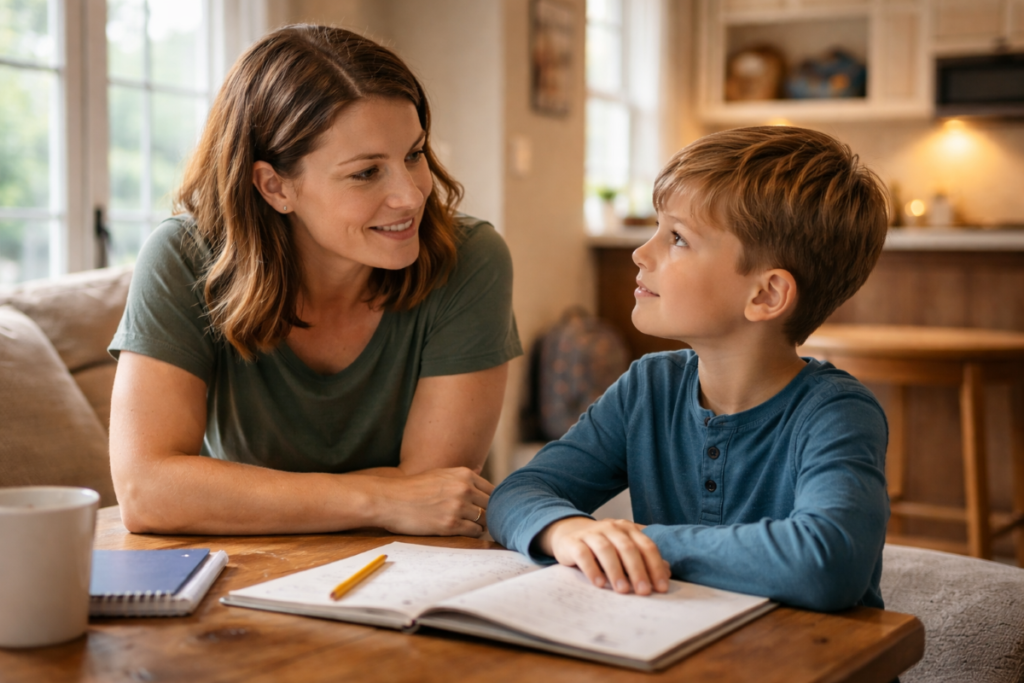
Calm conversations help children understand safety without attaching fear to it. When parents speak steadily and reassuringly, children are more likely to see school safety lessons as supportive rather than alarming.
That does not mean parents need long or detailed discussions. In many cases, short everyday conversations are more effective because they feel natural and easier for children to absorb. What matters most is the tone, clear, calm, and age-appropriate.
Children often take their emotional cues from adults. If a parent sounds anxious, children may feel that something is wrong even if the words are reassuring. When parents model steady confidence, they help children connect school safety with trust and preparation instead of uncertainty.
This approach supports emotional security as much as practical readiness. The CDC offers helpful guidance on helping children cope after stressful events, and the American Academy of Pediatrics also recommends talking with children about difficult events in age-appropriate ways.
How Daily Routines Reinforce School Safety Lessons
Routines help children understand that safety is something they can rely on. When parents connect school expectations with familiar habits at home, children begin to see preparedness as a normal part of daily life.
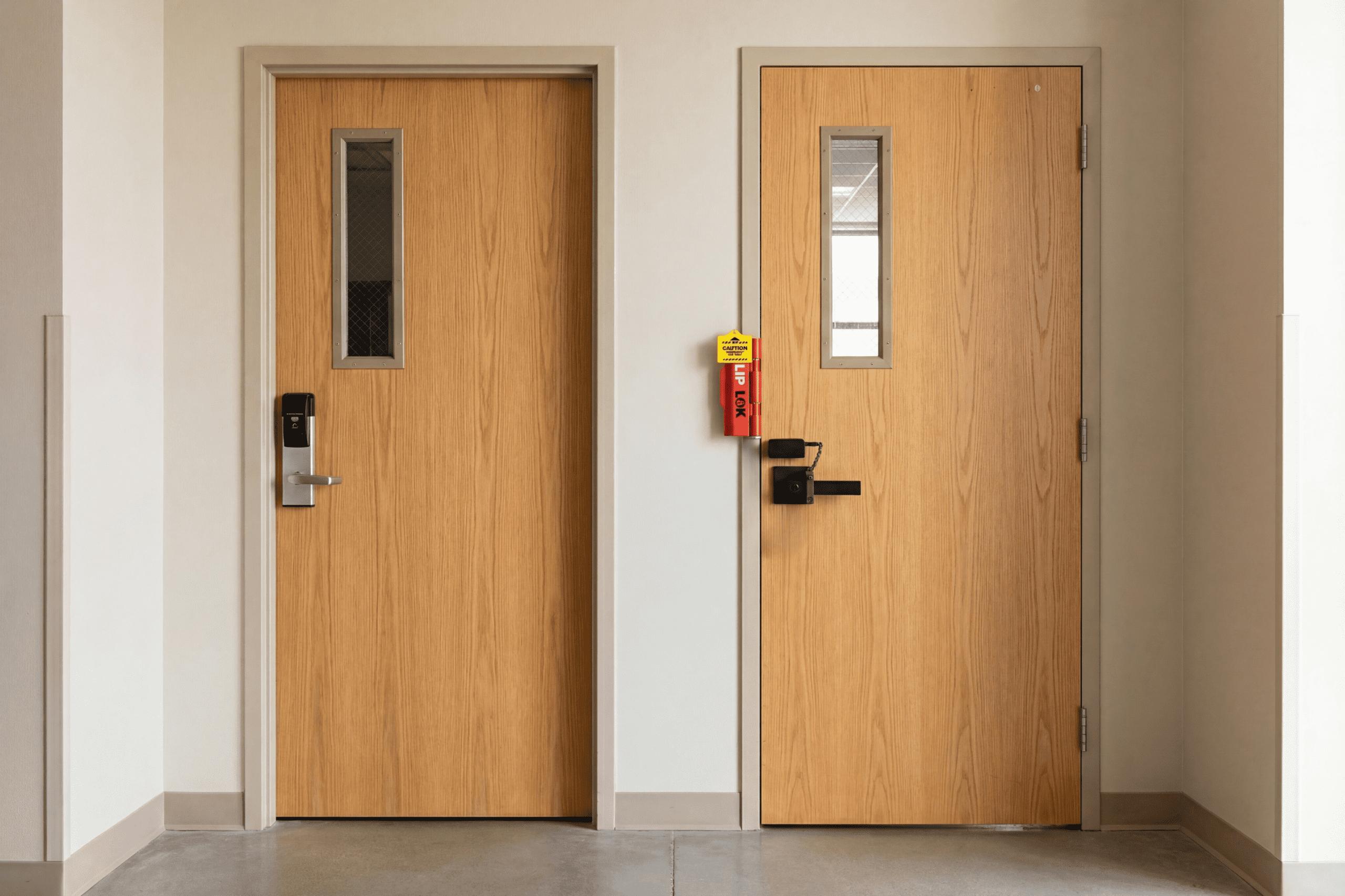
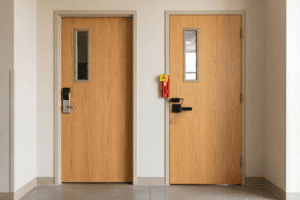
For example, parents can remind children that classrooms have secure doors, dependable classroom door locks, and trusted adults who know what to do. These small reminders reinforce the idea that safety measures are already in place and designed to protect everyone in the room.
At home, routines can include listening the first time, staying close during transitions, and knowing who to follow in an emergency. These are simple habits, but they support the same kind of calm structure children experience at school.
Consistency is what makes these lessons stronger. When the same messages are repeated in a practical, reassuring way, children are more likely to remember them under stress.
What Parents Should Talk About At Home
Parents do not need to recreate school drills at home to reinforce safety. Instead, they can focus on simple, useful topics that help children feel prepared without adding fear.
Practical conversations might include where to go during an emergency, who to listen to, and why staying calm matters. These discussions should stay short, clear, and matched to the child’s age and maturity level.
Helpful Topics To Reinforce
- Trusted adults
- Listening quickly
- Staying together
- Calm first steps
These conversations are most effective when they happen naturally. A ride home from school, a bedtime check-in, or a quiet family moment can all create the right setting for reassurance and clarity.
The goal is confidence, not detail. Children usually do best when they understand the first step to take and know that adults are prepared to guide them.
Why Parents Should Stay Informed About School Safety
Parents can reinforce school safety lessons more effectively when they understand the systems their child’s school already has in place. That knowledge helps parents answer questions calmly and speak with more confidence.
It is helpful to know how classrooms are secured, whether classroom door locks can be engaged quickly from the inside, and whether safety measures rely on power or Wi Fi. These details are not always things children need to hear directly, but they help parents respond with reassurance grounded in real understanding.
Being informed also helps parents ask thoughtful questions when needed. Schools benefit from families who are engaged, respectful, and focused on practical safety measures that support both staff and students. SchoolSafety.gov offers a useful resource with questions every parent should ask about school safety.
When parents trust the safety systems in place, children often feel that trust as well. Confidence from adults can be one of the strongest forms of reassurance a child receives.
How Listening Helps Children Feel Safe
Listening is one of the most important ways parents can support school safety lessons at home. Children may have questions after a drill, a classroom conversation, or a news event, and they need space to express those thoughts without feeling dismissed.
Parents do not need to have a perfect answer to every question. In many cases, acknowledging a child’s feelings and responding with calm, simple language is enough to help them feel heard and supported.
Listening also helps parents understand what a child is actually worried about. Sometimes a child is not asking about danger itself, but about separation, confusion, or what happens next. A thoughtful response can reduce fear much more effectively than too much detail.
When children feel safe asking questions, safety conversations become more constructive. That creates trust, and trust helps children absorb reassurance more easily.
Why Preparedness At Home Supports Confidence
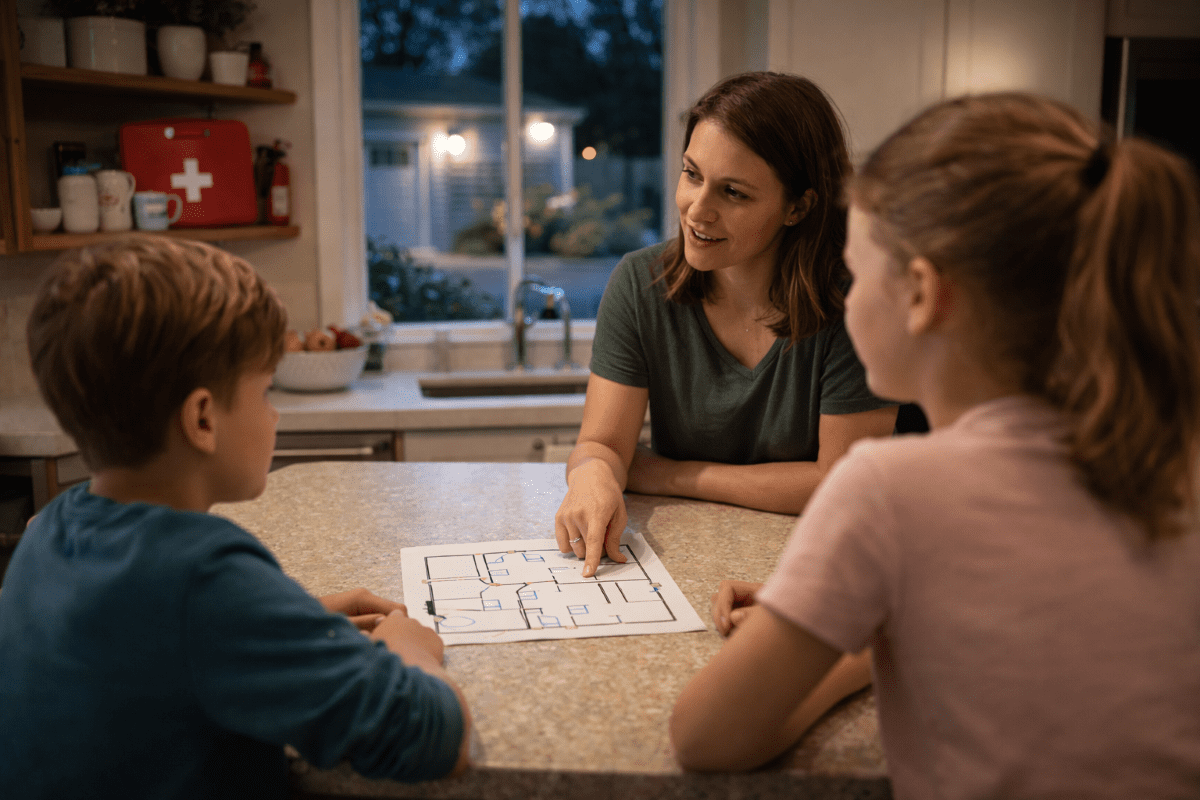
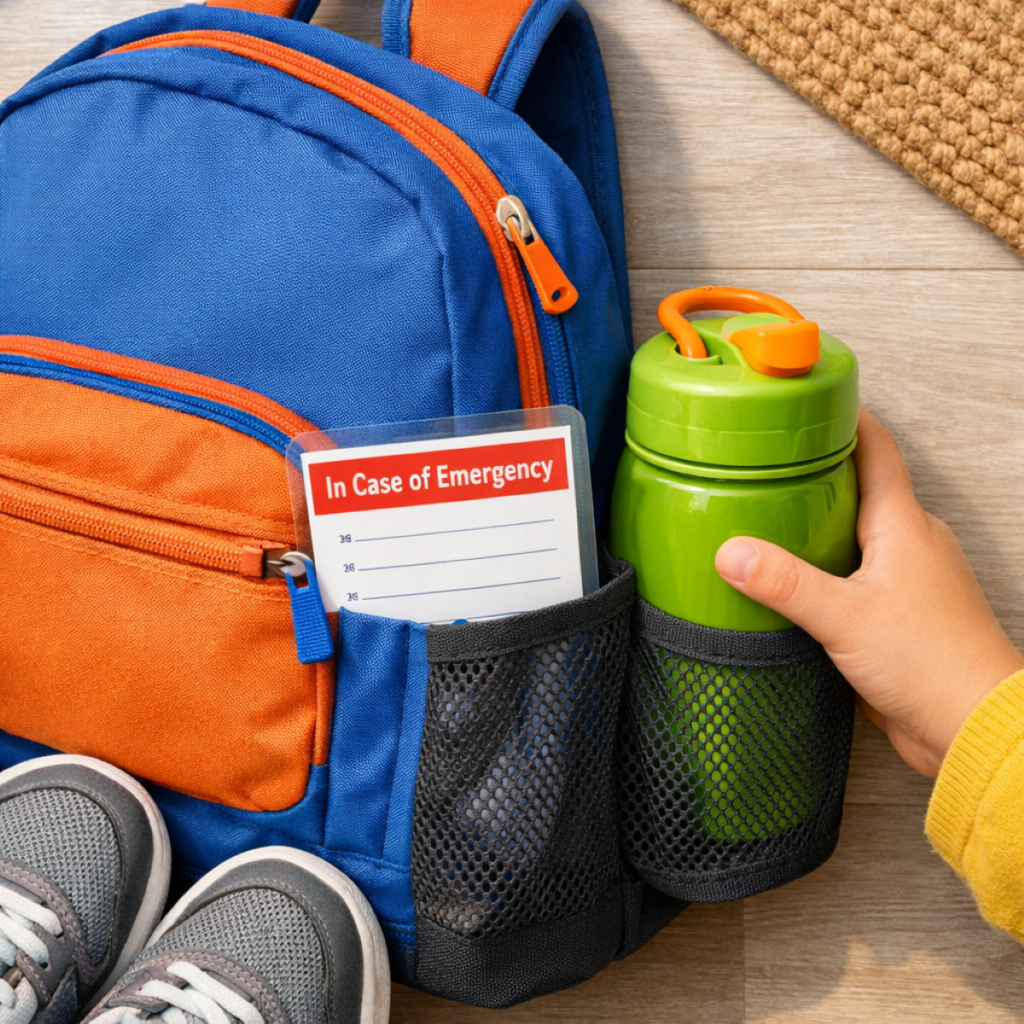
Preparedness at home gives children another layer of reassurance because it shows them that adults plan. Families do not need complicated systems to do this well. Even simple discussions about where to meet, who to call, and what to do first can make safety feel more understandable.
Ready.gov has practical resources for family emergency planning andmaking a family plan with children. These tools can help parents reinforce the idea that preparation is part of caring for one another, not something to fear.
When preparedness feels familiar, children are more likely to respond with confidence. Calm planning at home supports the same kind of steady reassurance children benefit from at school.
FAQ
How Can Parents Talk About School Safety Without Scaring Children?
Parents can talk about school safety in a calm and reassuring tone, using simple language that fits the child’s age. The focus should stay on trusted adults, clear routines, and the idea that preparation helps people stay safe. Children usually respond better to confidence and consistency than to too much detail.
Should Parents Repeat School Drills At Home?
In most cases, parents do not need to repeat school drills at home. It is usually more helpful to reinforce simple safety habits, such as listening quickly, staying together, and knowing which adults to trust. The goal is to support school lessons with calm familiarity, not to make home feel like an extension of a drill.
What School Safety Topics Are Helpful To Discuss At Home?
Helpful topics include who children should listen to during an emergency, how to stay calm, and why classrooms have secure doors and safety procedures. Parents can also reinforce that teachers and staff are trained to guide students. These messages help children feel supported without overwhelming them.
Why Is Consistency Important In Safety Conversations?
Consistency helps children absorb safety messages without confusion. When parents repeat the same calm and practical ideas over time, children are more likely to remember them and trust them. Familiar language and routine reminders also make it easier for children to respond with confidence when something stressful happens.
How Can Parents Help After A School Drill Or Scary News Story?
Parents can help by listening first, acknowledging feelings, and keeping the conversation simple. Children may only need reassurance that adults are prepared and that safety plans exist for a reason. A calm response at home helps children process what they heard or experienced without increasing fear.
Why Reinforcing School Safety Lessons At Home Matters
Reinforcing school safety lessons at home helps children connect preparedness with calm, trust, and everyday routine. When parents use steady conversations, simple reminders, and thoughtful listening, they make school safety feel more understandable and less overwhelming.
FlipLok supports stronger classroom protection with practical solutions designed for real school safety needs. Contact us for more information and to learn more about our school safety solution and how school safety lessons at home can support greater confidence for children and families.