Teaching situational awareness to kids is not about making them afraid of the world around them. It is about helping them notice what is happening, understand basic boundaries, and know what to do when something feels different, uncomfortable, or unclear.
When taught in age-appropriate ways, situational awareness becomes a confidence-building skill. It helps children pay attention to their surroundings, identify trusted adults, and move through everyday situations with more calm and independence.
For families and schools, this matters because safety works best when it feels familiar, not frightening. Children respond better when adults use simple language, short conversations, and practical examples they can understand in daily life. For more guidance on talking with children in a calm, age-appropriate way after stressful events or safety topics, the CDC has helpful recommendations.
That is why the goal is not fear. The goal is preparation. When kids learn awareness in a steady and thoughtful way, they build habits that support confidence, decision making, and a stronger sense of security wherever they go.
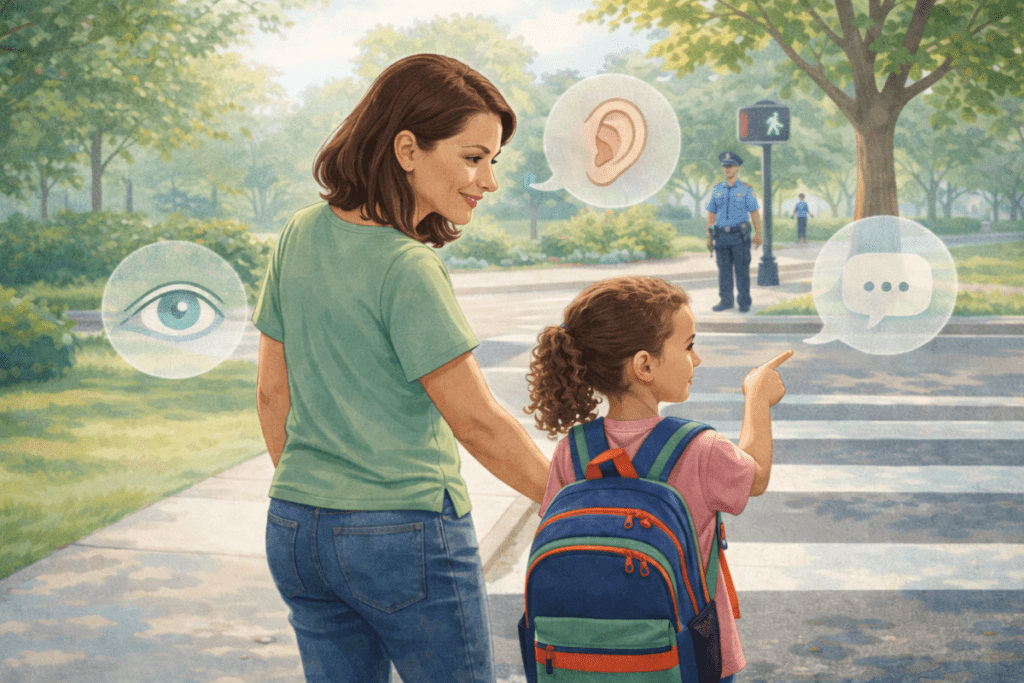
What Does Situational Awareness Mean For Kids?
Situational awareness for kids means learning to notice what is happening around them in a calm, practical way. It includes paying attention to people, places, routines, and changes in the environment without making children feel like they must be constantly on edge. The American Academy of Pediatrics also shares practical tips on building emotional confidence and talking about safety without increasing anxiety.
For younger children, that may be as simple as knowing where a parent is standing, recognizing a trusted adult, or noticing the closest exit in a building. These are small but important building blocks because they teach attention in a way that feels manageable.
For older children, situational awareness can include decision making. They may begin to notice when a place feels too crowded, when something seems unusual, or when it is time to leave a situation and find help.
The key is keeping the lesson grounded and age-appropriate. Children do not need overwhelming warnings. They need simple tools they can understand and repeat with confidence.
How Can Parents Teach Younger Kids Without Creating Fear?
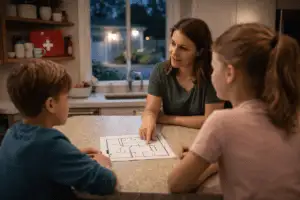
Younger children learn best through repetition, routine, and simple language. Situational awareness should be introduced as part of normal daily life, not as a serious lecture that makes them feel anxious.
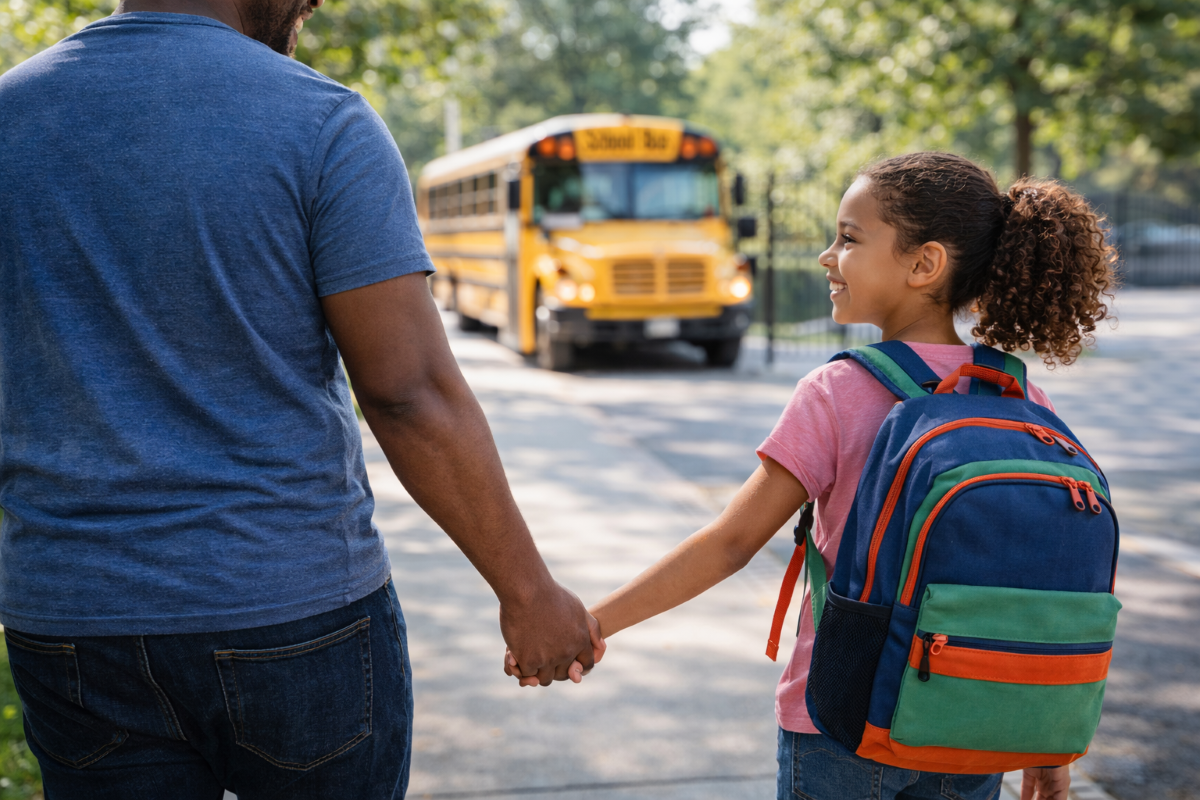
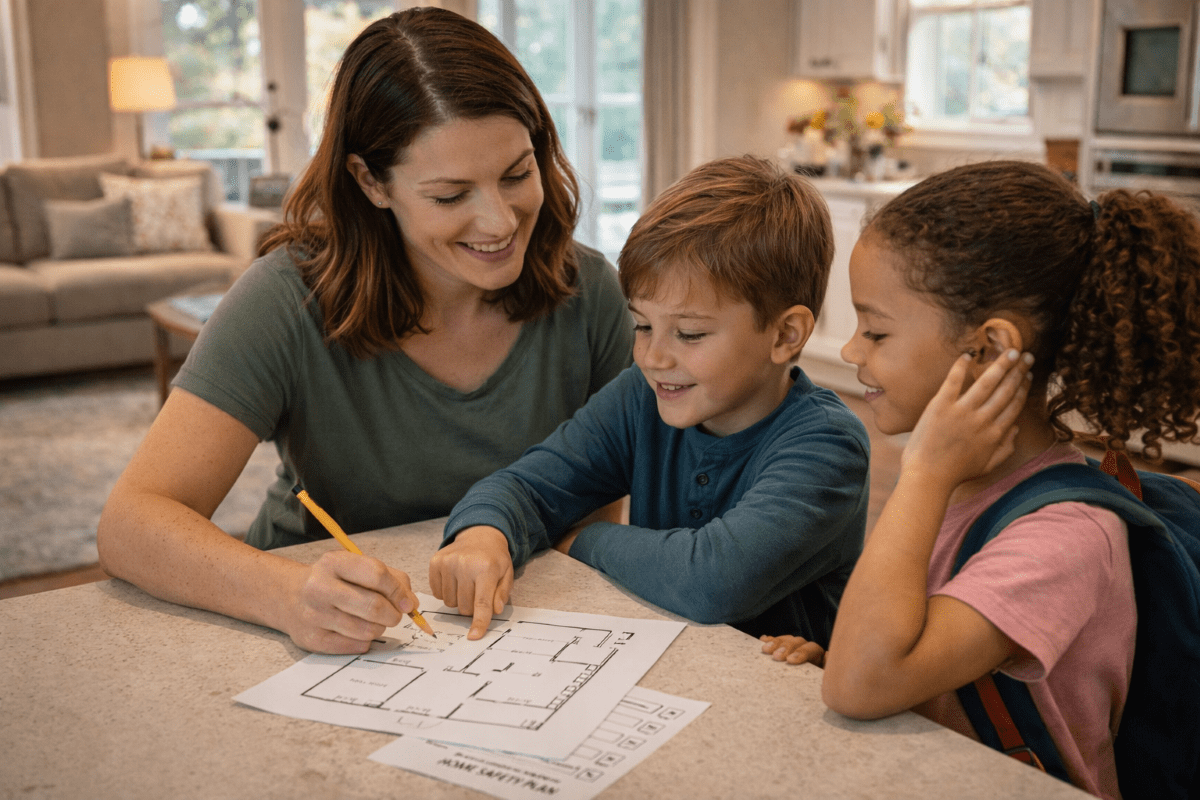
Parents can start with easy concepts such as staying close in public, knowing who to ask for help, and noticing where trusted adults are nearby. These lessons work well when they are connected to familiar moments like walking into a store, entering a school, or sitting in a waiting room.
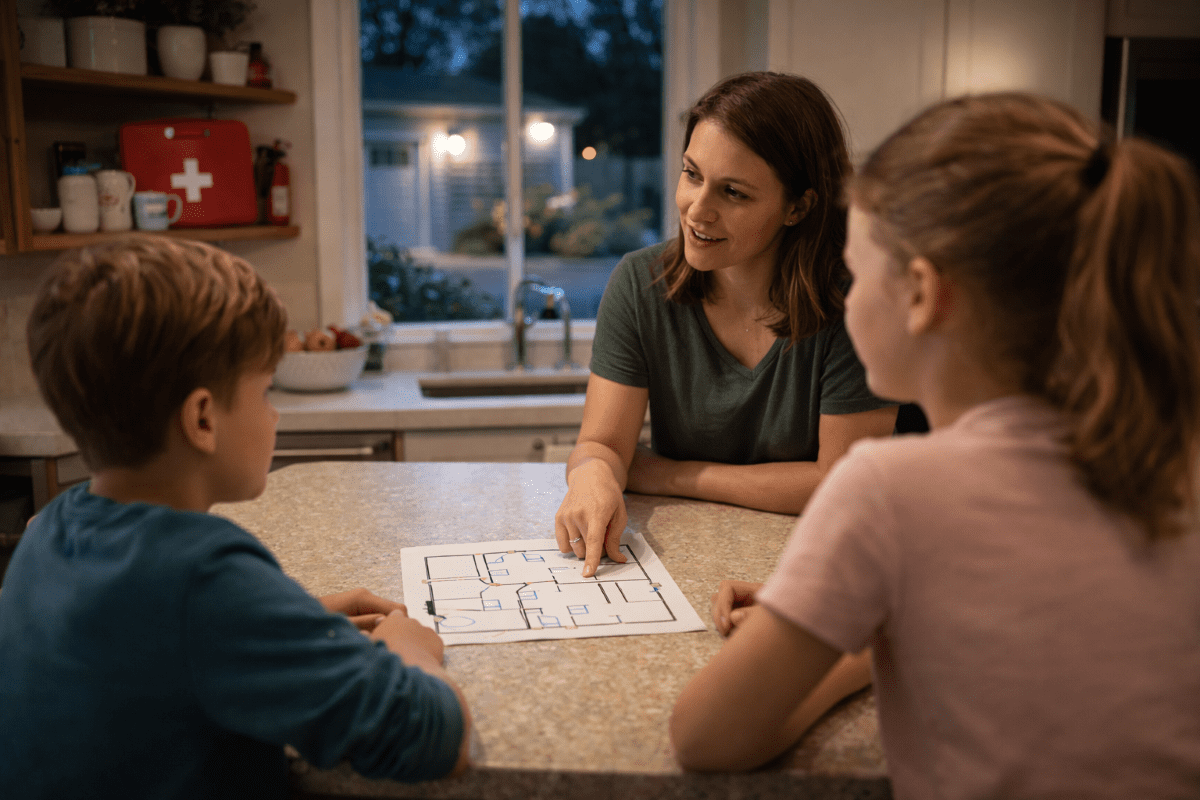
It also helps to point out small details in a calm way. You might ask where the door is, where a grown up is standing, or who they can talk to if they feel uncomfortable. These questions help kids practice awareness without pressure.
Short conversations tend to work better than one big talk. When younger children hear the same simple ideas often, those habits become more natural and easier to remember.
How Should Situational Awareness Change As Kids Get Older?
As children get older, situational awareness can expand from observation to decision making. Older kids are usually more ready to think through situations, notice patterns, and respond with more independence.
This can include recognizing when an environment feels too crowded, noticing when something changes unexpectedly, or understanding when it makes sense to leave and seek help. The focus should still stay calm and practical. The point is to build judgment, not fear.
Older children can also learn to pause before reacting. That pause gives them time to look around, think clearly, and make a better choice. Teaching this skill helps them feel more in control when something feels uncertain.
Helpful Awareness Skills For Older Kids
- Notice surroundings
- Know trusted adults
- Identify exits
- Pause before reacting
These conversations should stay age appropriate and supportive. When kids feel guided instead of alarmed, they are more likely to absorb the lesson and use it well.
How Does Situational Awareness Connect To Physical Safety?
Situational awareness is not only about noticing people and places. It also connects to the safety features children see every day. Doors, locks, routines, and classroom procedures all help children understand that safety is built into their environment.
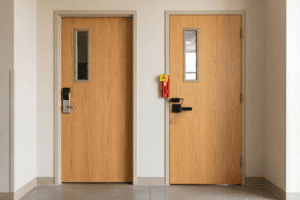
At school, children can be reassured by knowing that classrooms have secure doors and classroom door locks. This gives them a sense that adults are prepared and that systems exist to help protect them. That understanding can make safety feel more stable and less abstract.
At home, physical safety measures also support awareness. When children understand that doors lock for protection and that safety routines have a purpose, they begin to connect awareness with action.
This matters because children feel more grounded when safety feels organized. Instead of thinking safety depends on fear or guesswork, they learn that thoughtful systems and dependable habits work together.
Why Consistency Matters More Than One Big Conversation
The most effective way to teach situational awareness is through steady, repeated conversations over time. One serious talk may feel important in the moment, but children usually learn better when awareness becomes part of normal life.
That is why short reminders, simple questions, and relaxed practice matter so much. Asking what they notice in a room or who they could ask for help gives children a chance to think without pressure. These small moments are easier to absorb and easier to repeat.
Consistency also gives children room to respond in their own words. Adults can listen, correct gently, and build confidence over time. That process is often more valuable than trying to teach everything at once.
When awareness becomes familiar, children are more likely to stay calm and remember what to do. Confidence grows when the lesson feels practiced, clear, and connected to everyday life.
FAQ
What Is Situational Awareness For Children?
Situational awareness for children means helping them notice their surroundings, understand boundaries, and recognize when they may need help. It can include identifying trusted adults, knowing where exits are, and paying attention to changes in an environment. The goal is to build confidence and practical awareness without creating fear.
At What Age Should Parents Start Teaching Situational Awareness?
Parents can begin teaching simple awareness skills early by using age-appropriate language and everyday examples. Younger children can learn to stay close, recognize trusted adults, and ask for help when needed. As children get older, those lessons can grow into stronger decision making and more independent observation.
How Do You Teach Safety Without Making Kids Nervous?
The best approach is calm, simple, and consistent. Short conversations work better than dramatic warnings. When adults use everyday moments to point out exits, boundaries, and trusted helpers, children learn that safety is a normal part of life.
Why Is Repetition Important When Teaching Awareness?
Repetition helps children remember what to do without feeling overwhelmed. A single serious conversation may be harder to absorb, but small reminders over time make awareness feel familiar. When children hear the same simple ideas in calm ways, they are more likely to respond with confidence when something feels off.
How Does School Safety Support Situational Awareness?
School safety measures help children feel grounded because they show that adults have systems in place. Secure classroom doors, reliable classroom door locks, and clear procedures all support a stronger sense of protection. Children do not need every detail, but it helps them understand that safety is part of the environment around them.
Why Teaching Situational Awareness Matters
Teaching situational awareness helps children build confidence, practical awareness, and a stronger sense of security in everyday life. When adults use calm, age-appropriate conversations and connect awareness to familiar routines, children learn to notice their surroundings without carrying unnecessary fear.
That support becomes even stronger when awareness is paired with dependable safety systems at home and at school. FlipLok believes safety should feel thoughtful, reliable, and easy to understand. Contact us for more information and to learn more about our school safety solution and how situational awareness works best when preparation and protection go together.