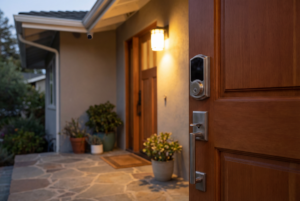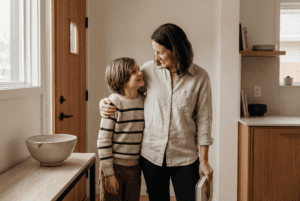
Layered safety at home means using simple, reliable protections that work together instead of depending on one product to do everything. The goal is not to make a home feel restrictive; it is to create practical backup at key points so families can respond calmly and confidently when something unexpected happens.
That matters because real safety rarely comes from one lock, one light, or one plan. A strong door matters more when it is paired with dependable hardware, reinforced framing, protected glass, and familiar routines that support quick action.
For many families, the best approach is the one that blends into everyday life. Safety locks for doors, security window film, motion-activated lighting, and clear emergency plans can strengthen protection without adding fear or unnecessary complexity.
The strongest home safety strategy is not built on extremes. It is built on thoughtful layers that support one another quietly in the background. When those layers are in place, home protection feels more natural, more dependable, and easier to live with every day.
What Does Layered Safety At Home Mean?
Layered safety at home means creating multiple lines of protection so that a single weak point does not bear the entire burden. Instead of relying on one device or one habit, families build safety through connected measures that support each other.
The first layer often begins at the entry points. Doors, locks, frames, and nearby glass all play a role in how well a home resists forced entry. If one of those parts is weak, the others become less effective.
A layered approach also goes beyond physical hardware. Awareness, visibility, and preparation all matter because safety is not only about stopping access. It is also about helping people recognize problems early and respond with less hesitation.
That is what makes layered safety practical. Each step may seem simple on its own, but together those steps create a more dependable home environment.
Why The Door Is Still The First Layer Of Protection
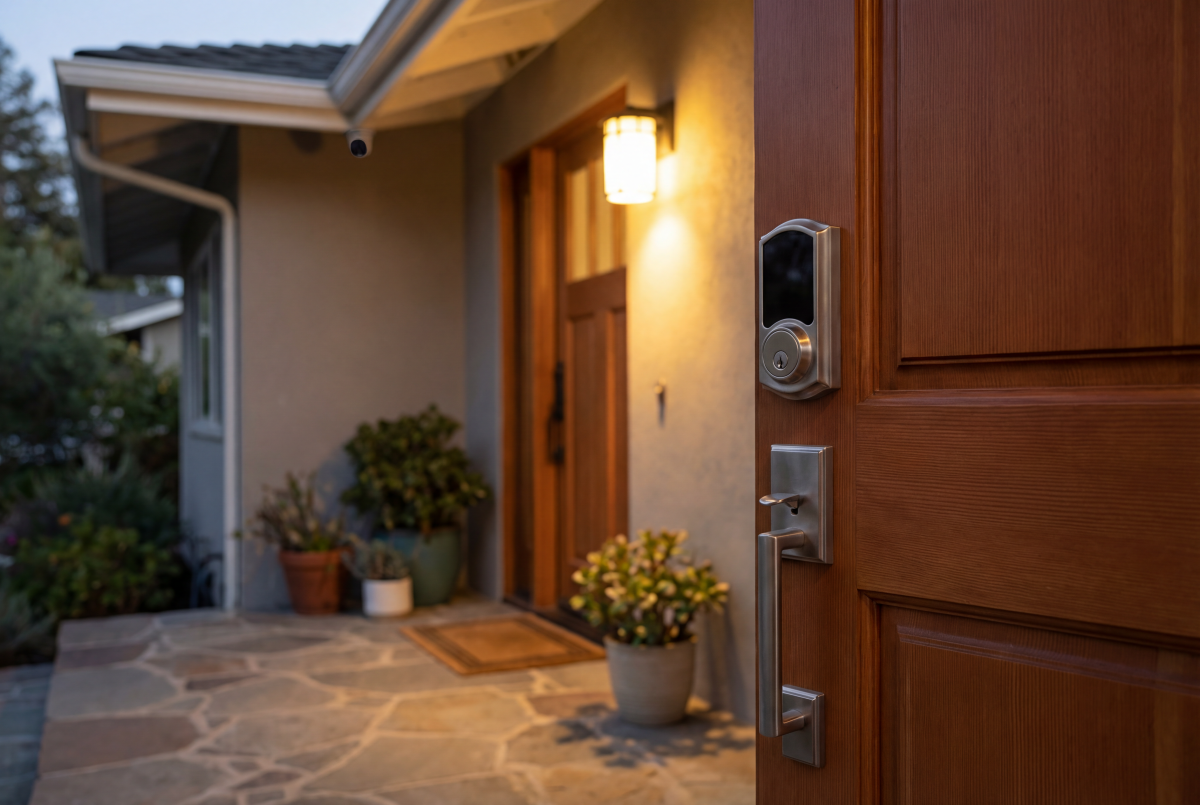
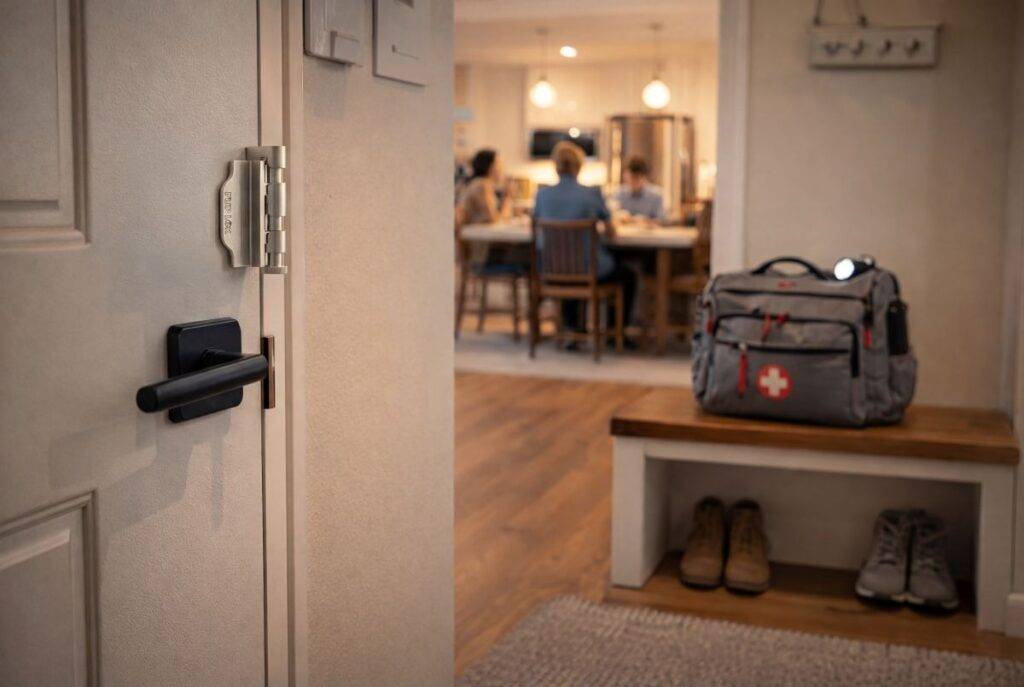
The door remains one of the most important parts of any home safety plan because it is one of the most common points of entry. That is why layered safety at home often starts there.
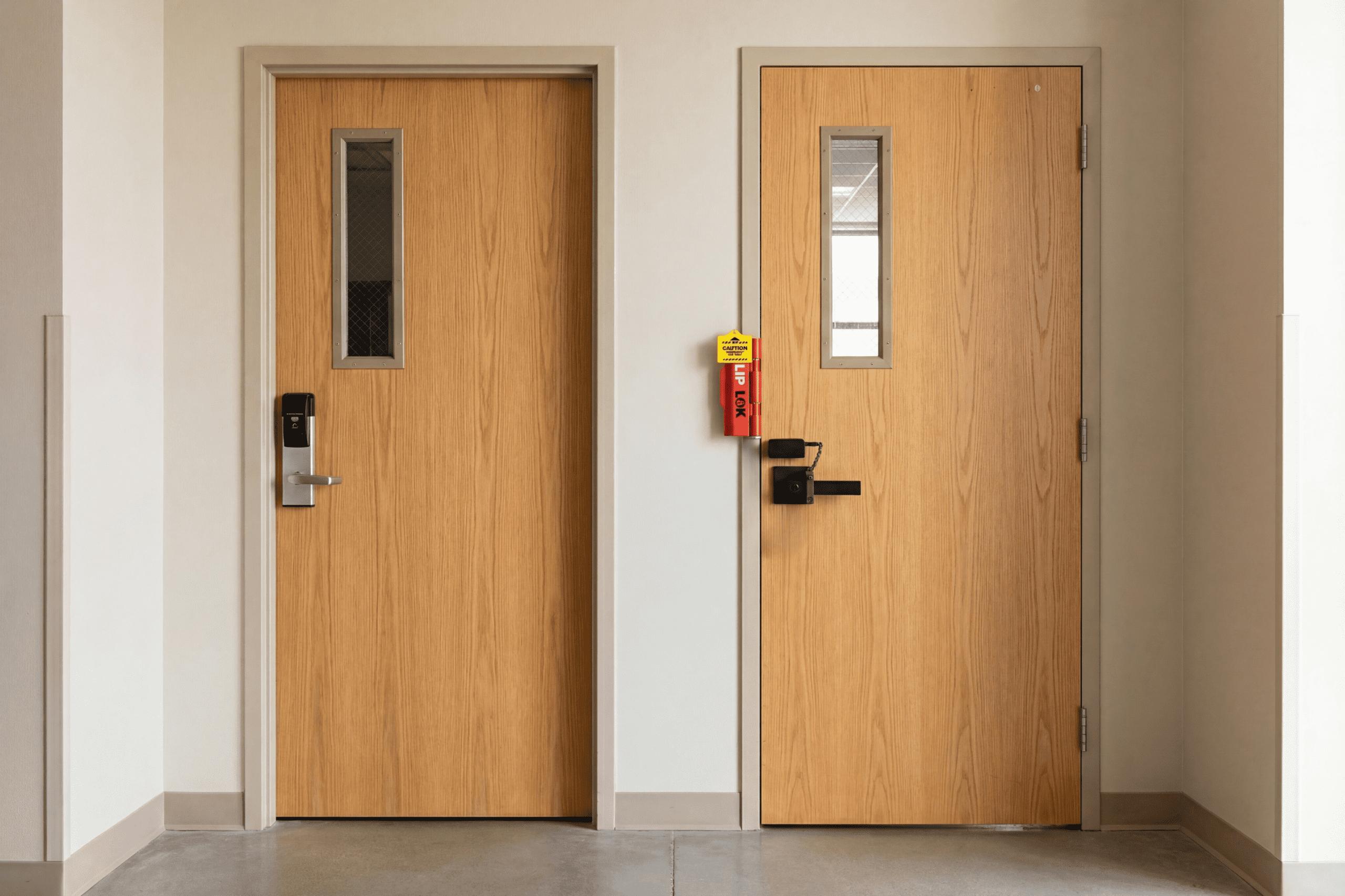
A dependable door lock is important, but a lock alone cannot do the entire job. If the frame is weak or nearby glass is exposed, the entry point remains vulnerable. Stronger results come from combining reliable door hardware with reinforced frames, upgraded strike plates, and protected glass.
Security window film can also help support this layer by adding resistance at vulnerable glass areas. Safety locks for doors add another level of protection when they are easy to use and consistent in daily life.
The goal is not to overcomplicate the entrance. It is to make the physical barrier stronger in a way that feels natural, dependable, and ready when needed.
How Visibility And Awareness Support Home Safety
Physical protection matters most when it is paired with awareness. Layered safety at home becomes stronger when families can see clearly, move clearly, and notice unusual activity sooner.
Exterior lighting is a simple example. Motion activated lighting can reduce concealment around entry points and help homeowners become aware of movement more quickly. This improves visibility without changing the way the home functions during the day.
Inside the home, clear pathways and well lit exits also matter. In stressful moments, confusion can slow response. Good interior visibility supports safer movement, especially at night or during unexpected situations.
Helpful Visibility Layers
- Entry lighting
- Clear walkways
- Lit exits
- Fewer blind spots
These upgrades are often simple, but they improve how quickly people can recognize and respond to what is happening around them.
Why Preparedness Is One Of The Strongest Safety Layers
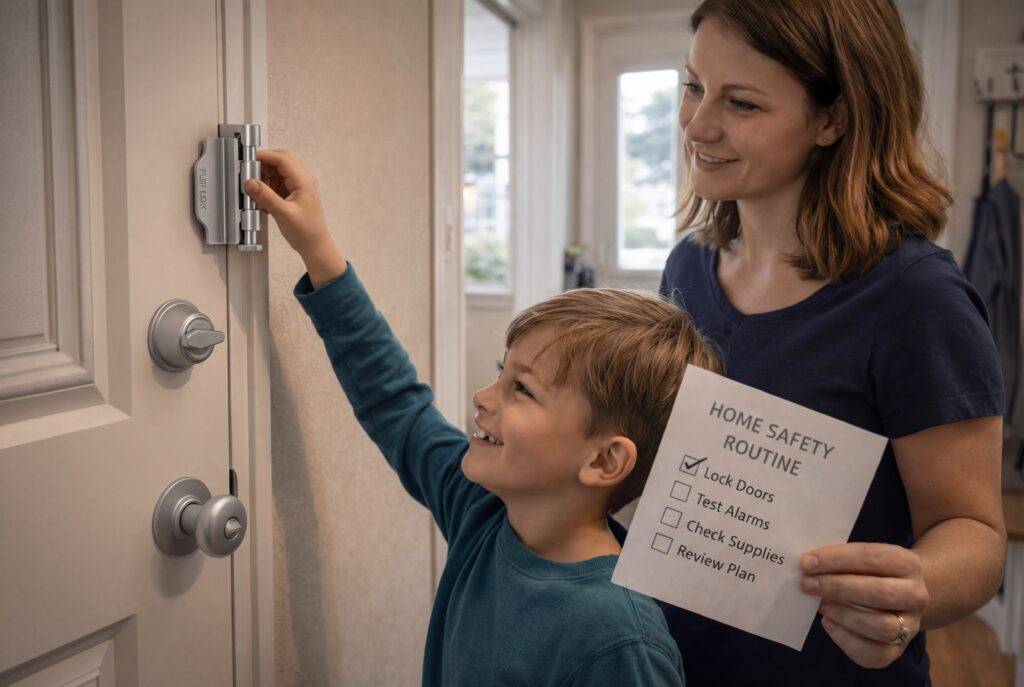
Preparedness is one of the most valuable parts of layered safety because it helps people act with more confidence. Even the best physical protections work better when families know what to do next.
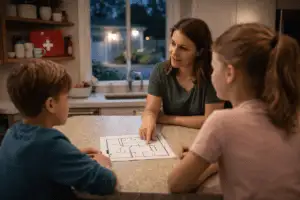
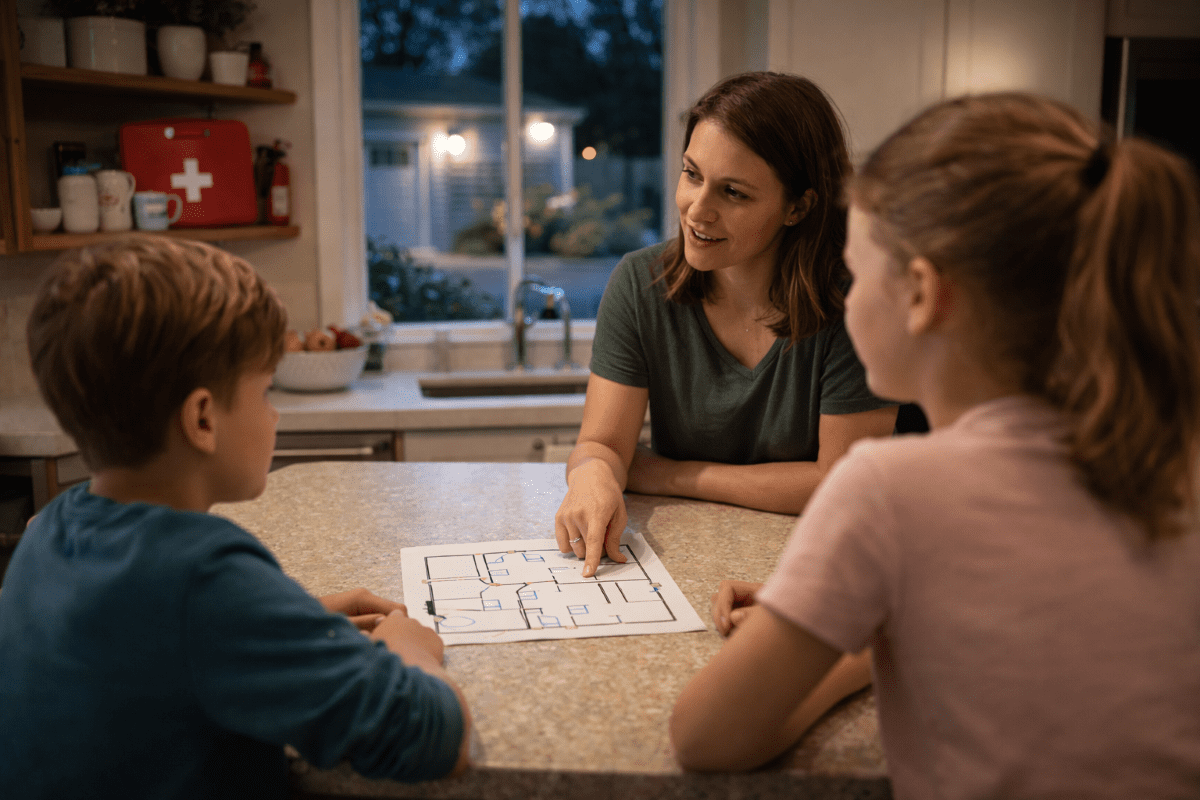
That does not mean creating fear or turning every conversation into an emergency drill. It means talking calmly about practical routines, knowing where to go, and making sure everyone understands the first step in a stressful situation.
Familiarity reduces hesitation. When a plan has been discussed and practiced simply, people are less likely to freeze. That is especially important for children, who often respond better when routines feel familiar and manageable.
Preparedness is also one of the easiest layers to improve. It does not require a large purchase, but it can make every other layer work more effectively.
How Layered Safety Can Feel Natural Every Day
A good home safety plan should support daily life instead of disrupting it. The best layered safety systems work quietly in the background, helping families feel prepared without making the home feel tense or restricted.
Doors should open and close normally. Locks should be easy to operate. Lighting should turn on when needed without constant attention. Plans should be simple enough to remember and calm enough to discuss without creating unnecessary fear.
When safety measures fit naturally into everyday routines, people are more likely to use them consistently. That consistency is what makes the layers stronger over time.
Layered safety at home is most effective when it feels practical, livable, and dependable. The goal is not to create complexity. The goal is to make protection easier to maintain and easier to trust.
FAQ
What Is Layered Safety At Home?
Layered safety at home means using more than one form of protection so no single weak point carries all the risk. A home may combine strong doors, dependable locks, protected glass, exterior lighting, and family routines. When these elements work together, safety becomes more reliable and easier to maintain in daily life.
Why Is One Lock Not Enough For Home Safety?
A lock helps, but it cannot solve every vulnerability around an entry point. If the frame is weak or the nearby glass is easy to access, the overall barrier is still limited. Layered safety works better because each measure supports another one, creating stronger physical protection and better preparedness.
How Do Safety Locks For Doors Fit Into A Layered Plan?
Safety locks for doors can strengthen an important first layer of protection, especially when they are easy to use and dependable every day. They work best when combined with reinforced frames, protected glass, good lighting, and simple family planning. The goal is not one product alone, but a complete and practical system.
Why Does Preparedness Matter At Home?
Preparedness matters because people respond better when they know the first step to take. Calm discussions and familiar routines can reduce panic and improve movement during an emergency. This layer supports every other safety measure by helping families act with more confidence instead of reacting with confusion.
Can Layered Safety Still Feel Comfortable?
Yes. In fact, the best layered safety plans are designed to blend into normal life. Doors should function normally, lighting should feel natural, and routines should be simple enough to remember. Good home protection should support confidence and comfort, not create fear or make the home feel restrictive.
Why Layered Safety At Home Matters
Layered safety at home works because it combines practical protection, better awareness, and simple preparation instead of relying on one solution to do everything. Stronger entry points, clear visibility, and familiar routines help families create a safer environment without adding unnecessary complexity.
FlipLok believes reliable protection should feel clear, practical, and easy to trust. Contact us for more information and to learn more about our residential locks and how thoughtful safety planning can support stronger protection where it matters most.