School safety lessons at home can help parents add value by creating a calm, clear and consistent dialogue with children. Parents are not required to replicate school drills at home nor to frighten children. Rather, parents can create an environment for children to understand that preparedness is a normal part of day to day life.
When adults communicate with confidence concerning safety issues, there is a good chance that children will communicate with confidence as well. Establishing comfortable routines, having reliable sources of comfort, such as trusted adults, and establishing a sense of predictable expectations help children feel safer and decrease anxiety without creating unnecessary fear.
Establishing this type of relationship is particularly important after a school drill, discussion in class, or an emotionally charged news story that may leave children with unanswered questions. Families can assist schools by developing a dialog regarding listening, remaining together and believing in existing structures that provide safety for all students and staff.
A message parents can send children is that safety is developed through preparation and not panic. Developing a sense of preparation at home in conjunction with the development of school safety lessons allows children to develop an understanding of school safety lessons at home in a healthy manner.
Why Calm Conversations Matter Most
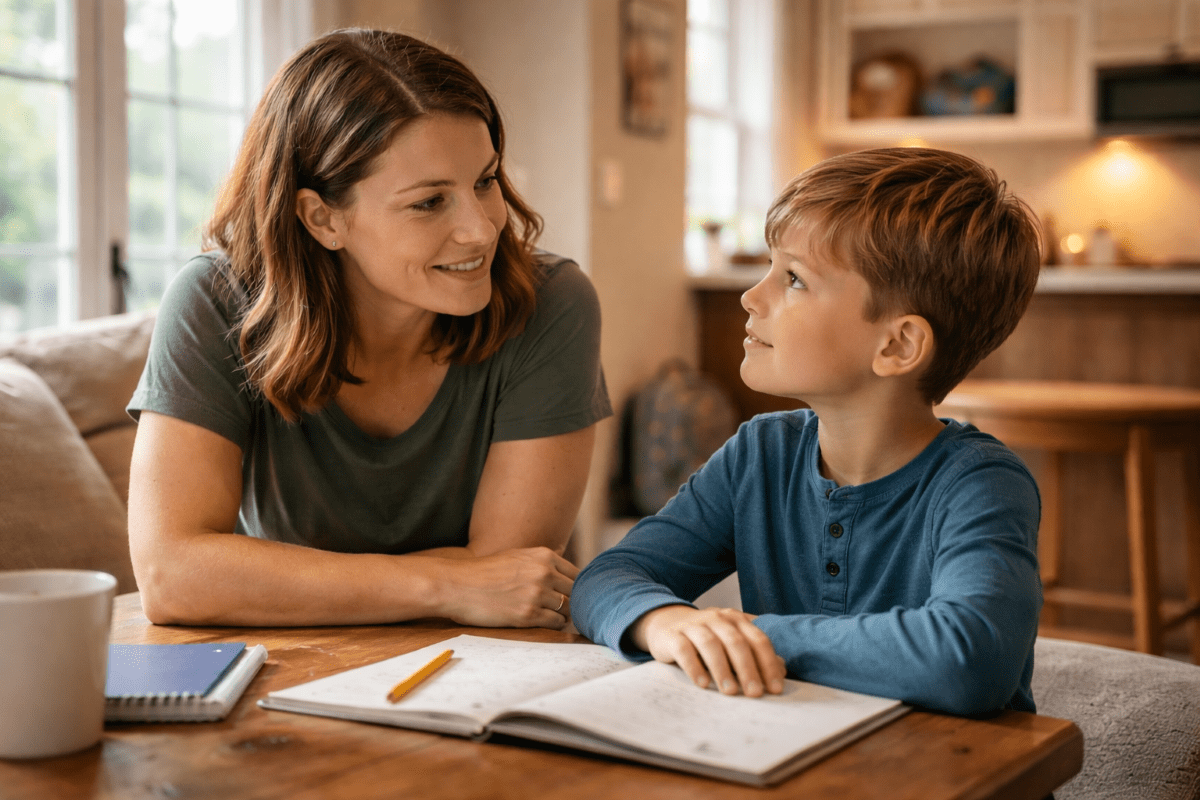
Calm conversations allow children to develop an understanding of safety, while eliminating fear. While parents need not engage in lengthy conversations, simply conversing in short terms at appropriate times, for example while driving home from school, can be beneficial to children’s ability to absorb the concepts associated with school safety. What is most important is the tone in which parents converse. A calm, clear and age appropriate tone will enhance a child’s understanding of school safety lessons as supportive rather than alarmist.
Children often take their emotional cues from adults. Therefore, if a parent expresses anxiety during a conversation concerning school safety, although the intent behind the parent’s conversation may be reassuring, a child may interpret the conversation differently and believe that the situation may be more serious than intended. By modeling steady confidence during conversations about school safety, parents can convey to their children that school safety is based on trust and preparation rather than uncertainty.
This approach to school safety provides emotional security as well as physical security. The Centers for Disease Control and Prevention and the American Academy of Pediatrics both provide additional guidance on helping children process difficult situations in age appropriate ways.
How Daily Routines Support School Safety Lessons
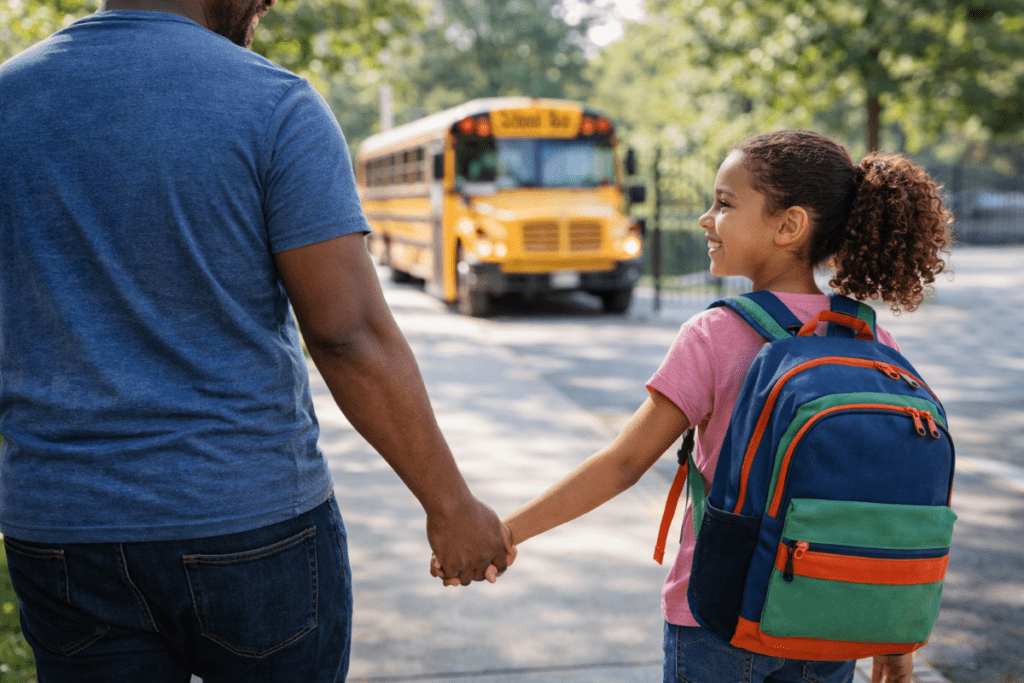
Daily routines establish a basis for children to recognize that they can depend upon safety as a regular occurrence. By associating school based safety expectations with common household activities and routines, children start to perceive preparedness as a common practice and routine part of everyday life.
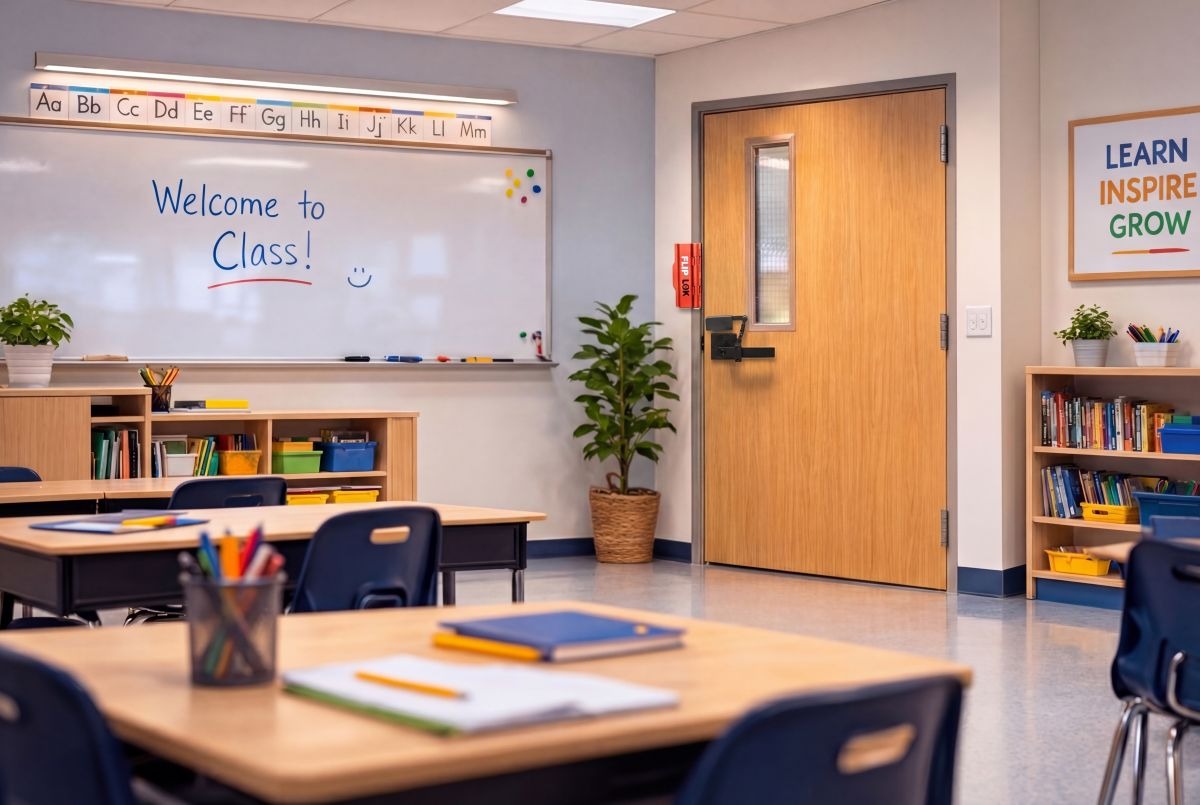
As examples, parents can inform their children that classrooms have locked doors, the classroom door lock mechanism is dependable and functional so that students can safely remain within the classroom until assistance arrives, and there are trustworthy adults present who know how to respond appropriately in case of emergencies. These brief reminders emphasize that safety protocols are already established to ensure the protection of each student and adult within the classroom.
Similar routines can occur at home, including listening the first time, staying near other family members during transitions, and identifying a responsible person to follow during emergencies. Although these routines appear elementary to some parents, these routines are instrumental in providing children with similar structured reassurances they receive at school.
The repetition of similar messages on a consistent basis establishes strong credibility and is essential for supporting a child’s recollection of the lessons learned. When the same types of messages are communicated in a straightforward and reassuring manner, a child’s likelihood of recalling those messages increases substantially when faced with a potentially threatening situation. This is one of the most practical ways to reinforce school safety lessons at home.
What Parents Should Discuss With Their Child At Home
To complement the lessons taught in school, parents are not required to recreate school drills at home. However, parents can contribute to their child’s preparedness for school based emergencies by discussing simple yet applicable subjects that encourage preparedness without instilling fear. Practical discussions could involve where a child would proceed during an emergency, who to listen to, and why maintaining calm is necessary. Discussions should remain concise, clearly defined, and related to the child’s age and maturity.
Helpful Subjects To Emphasize
- Trusted Adults
- Quick Response Time To Listen
- Remaining Together
- Initial Steps Taken During Emergencies
Conversations involving these subjects are most productive when they occur naturally. For example, conversations prior to riding home from school, before going to bed, or during a quiet family time can all provide opportunities for reassurance and clarification.
The primary objective is to generate confidence in your child. Generally speaking, children tend to react positively when they understand the initial action taken during an emergency situation and know that you will provide guidance throughout the event. These kinds of conversations can make school safety lessons at home feel supportive and familiar.
Why Parental Understanding Of Existing School Based Emergency Protocols Is Important
Parental involvement enhances reinforcement of school based emergency protocols when parents are knowledgeable regarding the established protocols utilized by their child’s school. This knowledge enables parents to provide responses that demonstrate confidence when answering their child’s questions and expressing concern.
Parents may want to inquire into classroom specific safety mechanisms used by their child’s school. Examples include classroom locking mechanisms and whether classroom doors can be securely fastened from the interior, and whether reliance on electricity or internet connectivity exists for safety related purposes. These specifics are typically not required to be shared directly with children. Nonetheless, understanding these specifics enables parents to provide reassurance founded on actual knowledge.
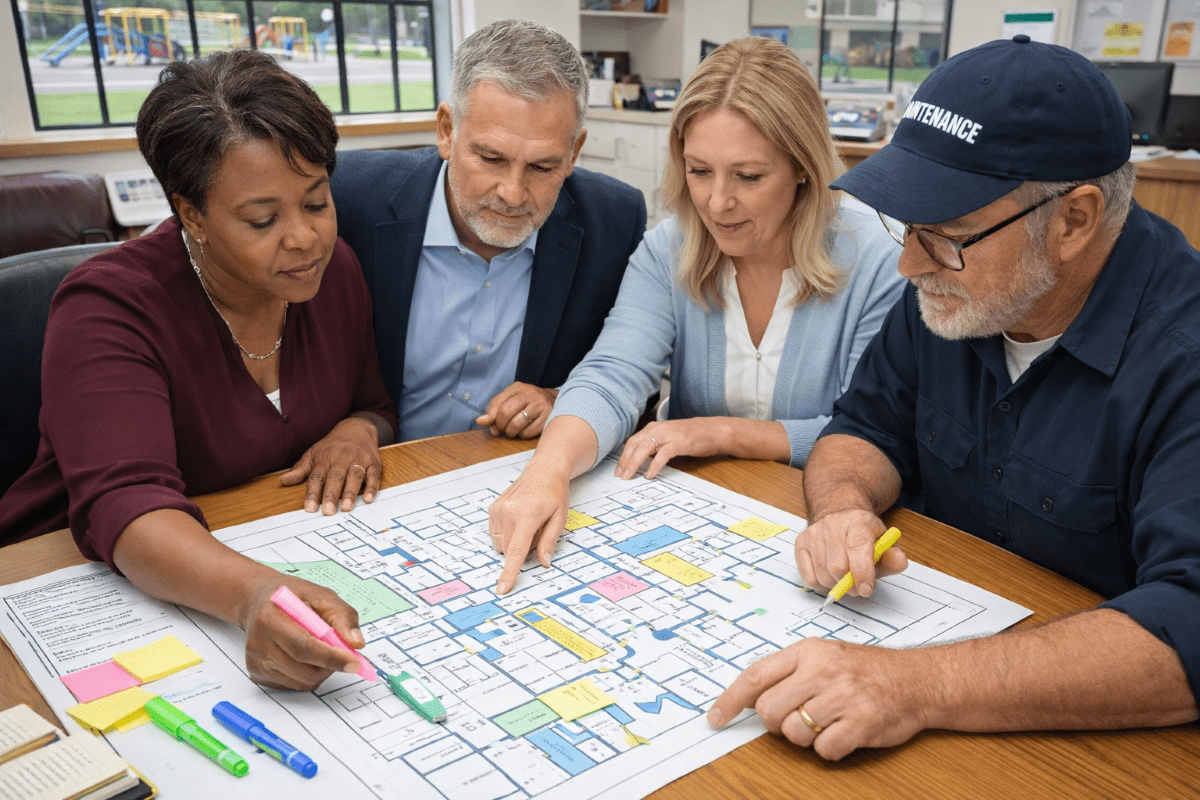
Additionally, being aware of the existing emergency systems used by schools enables parents to formulate relevant questions. Schools benefit from collaborative relationships with parents who are informed regarding practical safety measures implemented on behalf of both staff and students. SchoolSafety.gov offers numerous questions that all parents should inquire about regarding school safety.
Parents’ acceptance and trust of the existing emergency systems employed by schools frequently translate to an increased level of trust among children. Confidence expressed by adults toward a system can serve as one of the greatest assurances available to a child.
How Listening Assists Children In Feeling Secure
Listening is perhaps one of the most valuable methods in which parents can support school based emergency lessons at home. Children may possess concerns or questions related to a drill, room discussion, or news report. Consequently, they require an opportunity to articulate those concerns and questions without feeling dismissed.
There is no requirement for parents to provide complete answers to each question posed by their child. In fact, recognizing and acknowledging the feelings of their child via calm, simple communication may provide adequate assurance and assistance for their child to address those concerns. Additionally, listening affords parents insight into what specifically concerns their child. On occasion, children may be questioning potential separation, confusion, or procedure; however, these are separate issues from concern regarding danger. An informative response by a parent addressing either concern is far superior to excessive information.
Creating an atmosphere where children feel confident approaching questions and concerns concerning emergency and safety issues creates greater dialogue surrounding safety and emergency issues, ultimately leading to increased levels of trust between parent and child and greater receptiveness to reassurance from parents. Listening is a meaningful part of reinforcing school safety lessons at home.
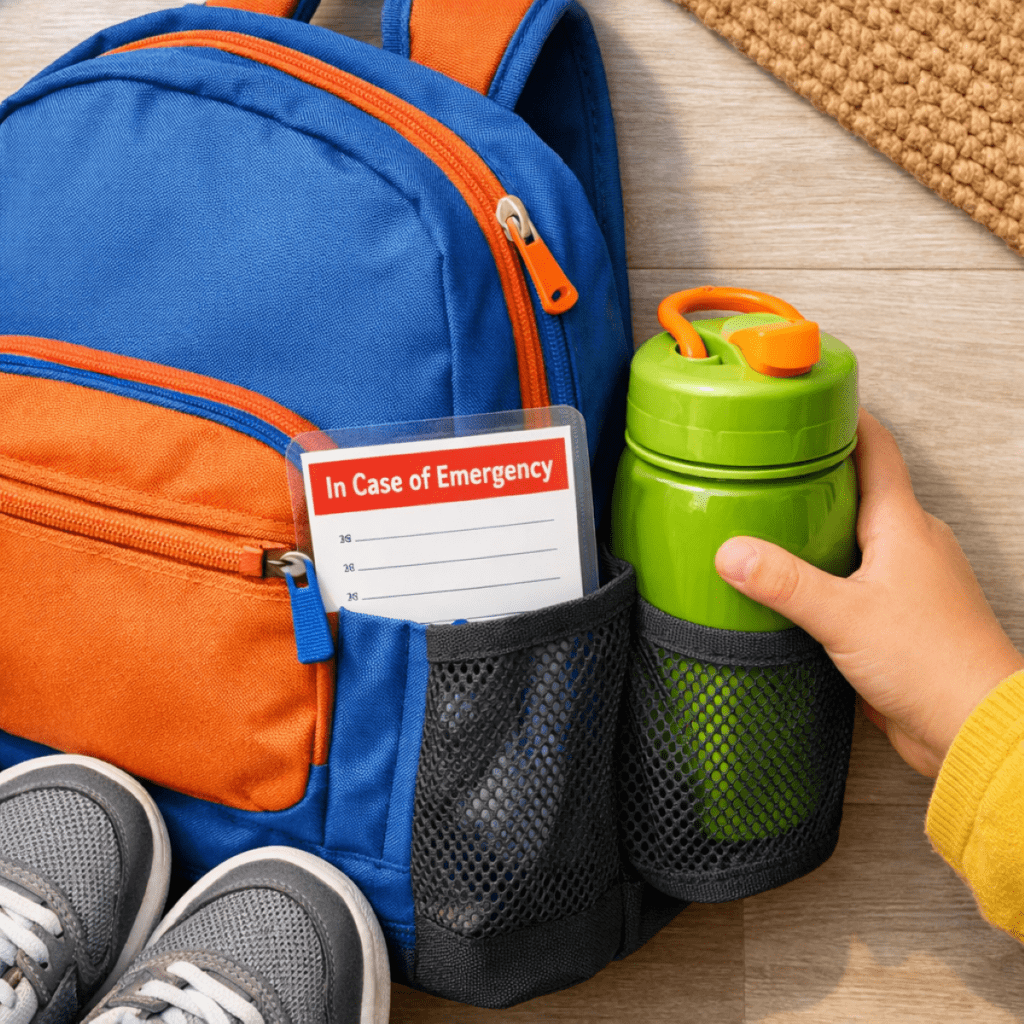
Why Preparing Your Family For Emergencies Provides Confidence
Preparing your family for emergencies provides another source of reassurance for your children since it demonstrates that adults plan ahead for various possibilities. There is no necessity for developing complex planning systems; merely discussing basic considerations such as meeting places, contact persons and steps to be taken immediately during emergencies will illustrate to your children that preparing for emergencies is a means of demonstrating care for one another rather than evoking fear.
Ready.gov contains useful materials related to creating a family disaster plan with your children. Using these resources will aid you in communicating with your children that developing preparedness plans is a demonstration of caring for one another, not generating fear.
When developing preparedness plans seems familiar, familiarity breeds confidence. Children are then more apt to respond confidently. Calm planning processes within the home promote similar stable reassurances that children receive while attending school. This is another helpful way to support school safety lessons at home.
FAQ
How can parents be calm and reassuring when talking about school safety?
When talking about school safety, it is best if parents speak calmly and clearly in a way their child can understand. Emphasizing the role of trusting adults, routines, and preparing for emergencies will usually be enough to give children a sense of security. Most importantly, children tend to respond better to confident and consistent communication than excessive details.
Should parents practice school drills with their child at home?
Most often, practicing school drills at home is unnecessary. Usually, reinforcing basic safety skills such as quick listening, staying close to the group and identifying which adult is responsible for guiding them would be the best approach. The main goal is to add familiar elements from the school’s lesson to the family environment in order to provide additional support to school lesson objectives without making the home feel like part of another drill.
What school safety issues should I address with my child?
School safety issues that can be addressed with your child include who your child should follow in case of an emergency, ways in which they can remain calm during scary events and why some rooms within the school may have locked doors or other forms of safety equipment. Your child can also be reminded that many of the educators and staff members are trained to assist the students during emergencies. This type of messaging can help build confidence while minimizing anxiety.
Why does consistency matter when communicating about school safety?
Consistency provides clarity so that children can better retain and apply safety related communications. If you continue to communicate similar calm and applicable concepts regarding school safety throughout a given period of time, your child will likely be able to remember these messages and will likely view them as reliable. Also, having a consistent vocabulary and regular reminders makes it easier for children to rely upon themselves in a stressful situation.
How do you support your child following a school drill or scary news report?
Supporting your child after a school drill or news report includes listening first, validating their emotions and providing clear and concise information. Typically, children simply want reassurance that there are steps being taken by adults and that safety measures are in place due to a specific risk. Providing a positive and calming atmosphere at home will allow children to process and work through what they have learned or witnessed without increasing their fears.
Why Supporting School Safety Lessons At Home Matters
Providing reinforcement to school based safety lessons at home allows children to associate safety planning with a feeling of stability, trust and daily routine. When parents utilize open ended conversations, frequent reminders and attentive listening, school safety lessons at home become clearer and less intimidating.
FlipLok offers practical solutions to strengthen classroom protection for schools facing real world challenges related to safety. Please contact FlipLok for further assistance and to find out more about our school safety products and how supporting school safety lessons at home can create a safer community for both children and families.