Low-cost family emergency preparedness does not have to begin with a heavy investment in either gear or systems. Most families will find the simplest and most effective way to prepare is to develop an emergency plan that is clear, simple, and repetitive. In addition to having a plan for communicating together in case of an emergency, developing a routine for being prepared, and having some basic emergency supplies available may provide more value than any product.
As emergencies appear differently from house to house, responses to those emergencies tend to be similar. When families understand their initial response to an emergency and how to communicate in the event of an emergency, they are generally better equipped to avoid panic or indecision. In fact, the reliability of preparedness increases as it begins to become familiar rather than burdensome.
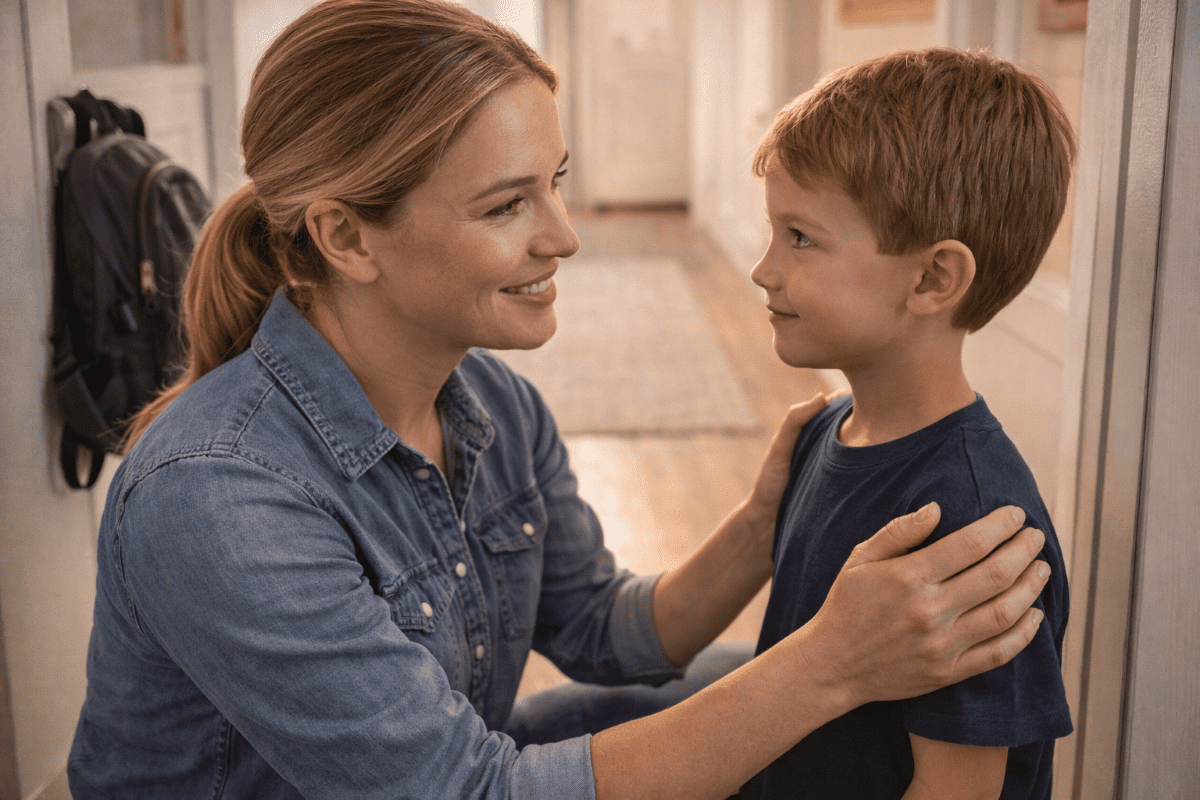
For families with young children, creating the right environment for kids to respond effectively in an emergency requires steady language and simple expectations. There is no desire to create fear; rather, we seek to create confidence in young children through the development of small habits that simply fit into daily routines.
If you want to prepare for emergencies without spending money on lots of gear, focus on communication among all family members, including kids, identifying meeting spots, listing basic emergency supplies, and practicing with a calm, manageable mindset. This is often the foundation of low-cost family emergency preparedness.
Develop a Simple Family Plan for Communication
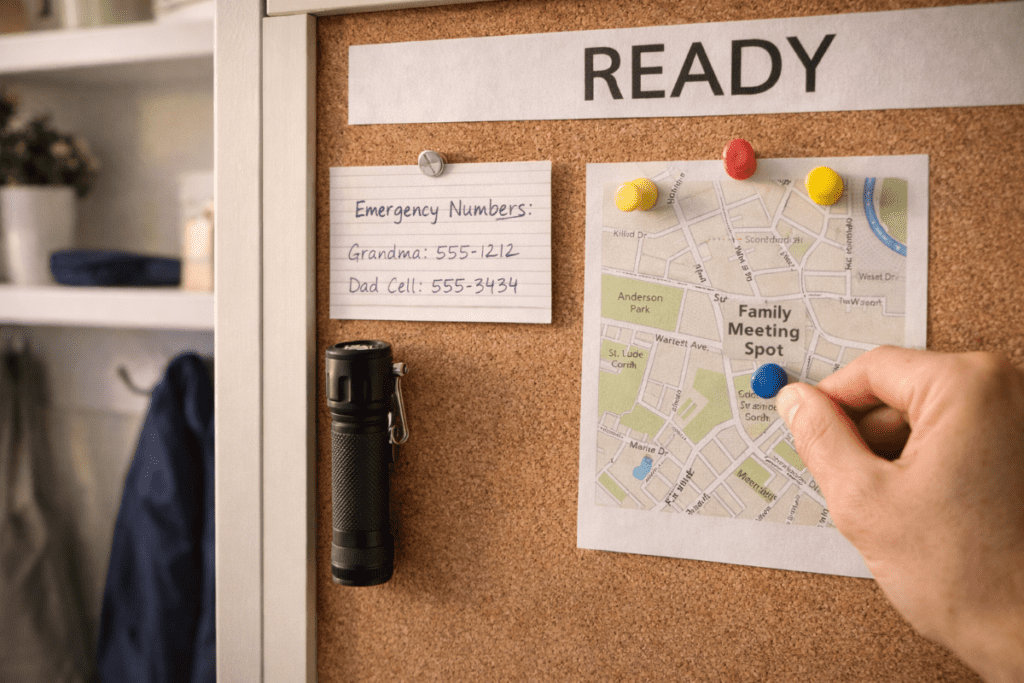
Effective emergency planning relies heavily on communication among family members. During an unanticipated disruption to normal activities, family members must be able to locate one another. An emergency communication plan can include a single contact outside of your immediate area, such as a friend or family member, a list of essential phone numbers, and a statement your child can use to express uncertainty. Develop this plan in writing, not just digitally via your phone.
In addition to selecting meeting points, families can establish several basic rules regarding communication during emergencies, including when to send messages, texting vs. calling, and which person should initiate communication with whom first. Ultimately, your primary goal should be to limit confusion during potentially chaotic events. Ready.gov offers an outline for establishing a simple family communication plan, which is adaptable for most households.
Identify Safe Meeting Spots Close to and Away From Your House
Safe meeting locations serve as a means for families to locate each other after a disaster. The complexity of your plan is secondary to choosing safe locations that both you and your family clearly understand.
Identify one meeting location near your house, such as a neighbor’s front porch or the end of your block, and another location further away, such as a local library or a relative’s residence. Identify meeting spots based on your neighborhood’s nighttime visibility. Consider areas that are illuminated and can be easily described.
Practice walking safely and calmly with your child to a designated meeting spot. Short walks with children promote familiarity, but avoid transforming your emergency plan into a source of anxiety. This kind of routine supports low-cost family emergency preparedness without adding complexity.
Collect Basic Emergency Supplies at Minimal Cost
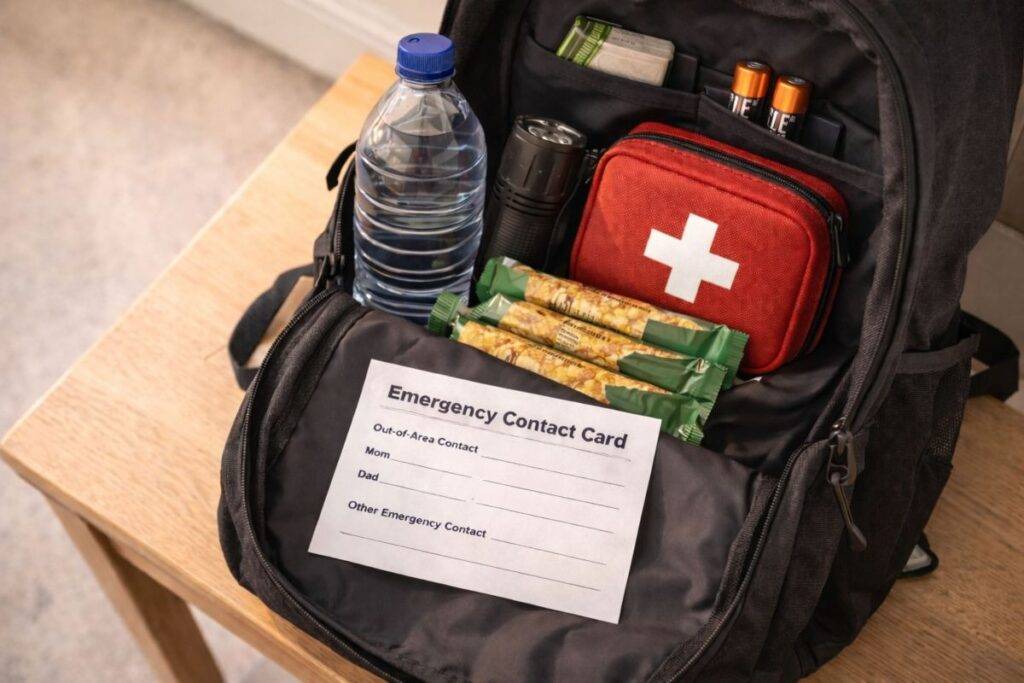
A low-cost emergency supply kit is not difficult to develop. Many of the necessary supplies are probably already located within your home. Gather basic supplies and prioritize responding versus searching for additional supplies during an emergency. Start with basic supplies such as water, shelf-stable foods, a flashlight, a battery-powered lantern, extra batteries, a first aid kit, and add essential supplies for your household, such as medications, diapers or baby wipes, and pet food or supplies.
To collect these supplies efficiently and inexpensively, consider storing them in a container or backpack that you can quickly retrieve. Additionally, you can stockpile your emergency supplies over time while completing regular shopping tasks.
Basic Emergency Items to Purchase at a Lower Cost
- Water and snacks
- Flashlight and batteries
- First aid kit
- Printed contact information
Your emergency kit is not designed to be perfect. Its purpose is to assist you during the first 24 hours following an unforeseen occurrence.
Use Established Daily Routine Activities as an Opportunity to Reinforce Readiness in Children and Adults
Readiness is strengthened when it becomes integrated into your daily routines. Establish a few activities related to readiness that feel comfortable and predictable. These might include checking flashlights every six months, updating your contact list periodically, placing emergency supplies in accessible locations for adults, and using reassuring language when discussing readiness with children, such as “we have a plan in place so we all know what to do,” instead of “something bad could happen.”
Hold brief discussions with children. Hesitation decreases with repeated exposure to familiarity-based procedures. Hesitation leads to increased perceived difficulty during emergencies. This is one of the most practical parts of low-cost family emergency preparedness because it depends more on consistency than expense.
Increase Your Household Safety Using Inexpensive Basic Practices
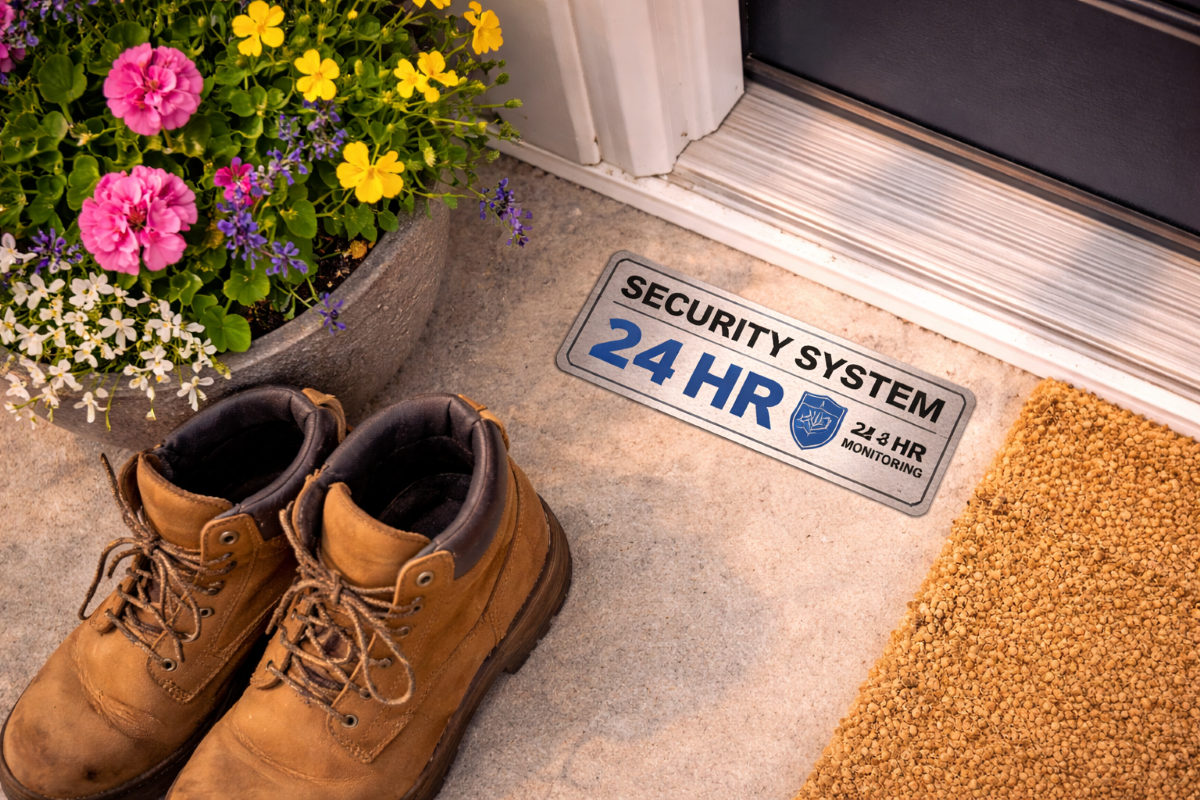
Many families support emergency readiness by enhancing the fundamental aspects of home safety. Developing home safety practices typically involves neither expensive nor high-technology solutions. Instead, many of these elements can be developed through increasing visibility in dark areas of the house, improving secure entry and exit points, and incorporating common household safety practices.
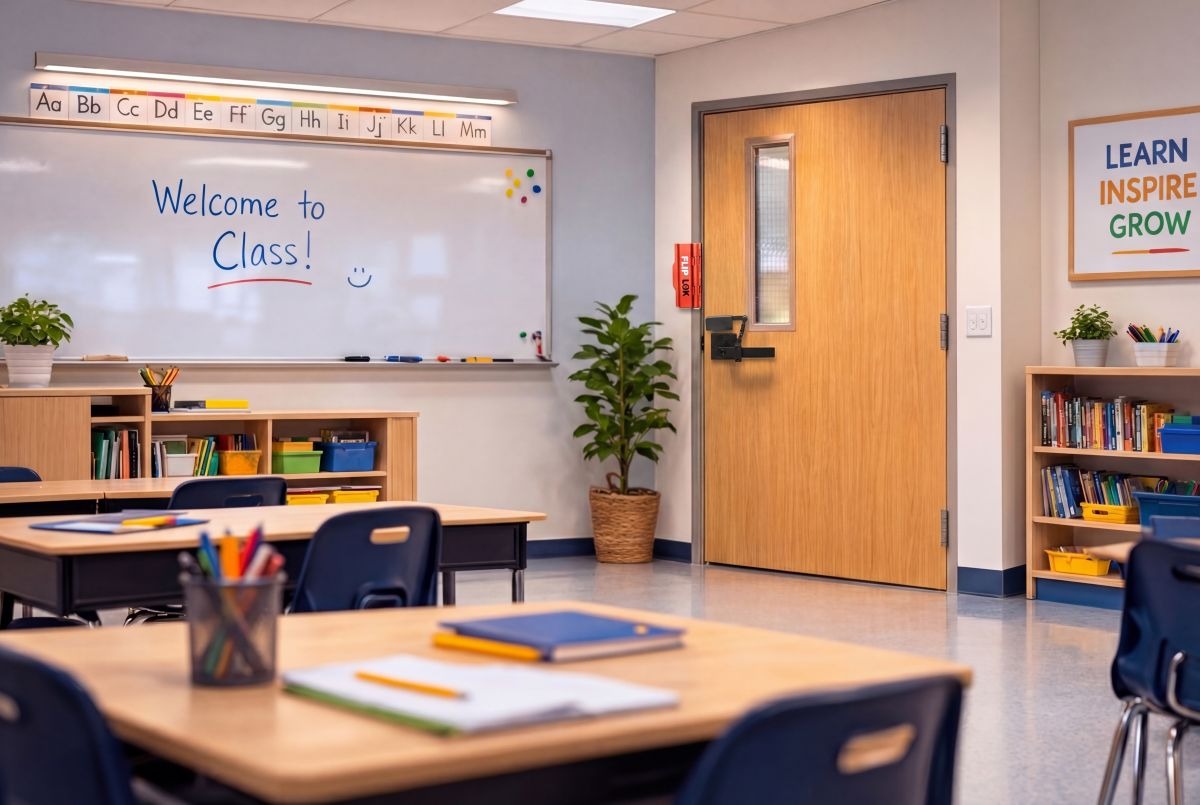
Improved lighting enhances visibility in areas of the house where it would otherwise be poor. By clearing walkways and eliminating unnecessary obstacles, you can reduce accidents caused by falls and trips as well as minimize confusion due to cluttered pathways. Locking doors consistently and using locks that are reliable contribute to improved safety habits that can enhance responsiveness in emergencies by reducing risk factors and providing greater accessibility throughout the house during chaotic situations.
Introduce Younger Children to Initial Response Actions Without Frightening Them
Young children do not require elaborate hypothetical scenarios. Younger children require simplified actions they can remember. One useful action to introduce includes asking, “What do you do first when you don’t know what to do?”
When dealing with younger children, ages 2 to 5 years, emphasize staying near trusted adults and stating simply, “I need help,” or a similar phrase. Older children, ages 6 and up, should be taught to contact parents or guardians directly, recognize safe public spaces, and follow established household rules.
It is imperative to instill a sense of calm confidence in young children rather than a sense of responsibility. This helps low-cost family emergency preparedness remain reassuring and practical for the whole household.
Frequently Asked Questions
Do I really need an emergency kit to be ready?
No. Many of the most effective ways to prepare are through developing your own personal communication plan, designating safe places to meet, and establishing routines. In many cases, these types of preparations require minimal cost. A low-cost plan, along with a few essential supplies, will typically create more real readiness than purchasing high-priced emergency kits.
What is the first thing my family should do to become prepared?
Your family’s first step toward preparedness is to develop a family communication plan. Your plan should include how you will communicate with each member of your family, who will contact whom and when, and where you will meet if separated. Develop this plan into writing so that everyone knows what to expect. This type of plan will help prevent confusion and allow members of your family to react more calmly during an emergency situation.
What should I have in a low-cost emergency kit?
First, you should prioritize having sufficient water, non-perishable food, light sources, extra batteries, basic first aid equipment, and written emergency contact information. Then add any additional items that would be necessary based on the special needs within your household, such as medication, infant care supplies, or pet needs. Assemble your emergency kit at a pace that fits your budget.
How can I talk about emergencies to my children without scaring them?
Talk to your children using simple and reassuring language. Let them know that preparing for emergencies is just part of the way you show your love and concern for their well-being. Limit the amount of conversation to the age and developmental level of your child. Teach and practice simple initial actions. Reassure them of the people they can rely on and the routines they can count on during difficult situations.
How often should we review our plan?
Most families can afford to review their plans every couple of months. During your reviews, update contact lists, test your flashlights, and verify meeting locations. What is important is consistency, not details.
At FlipLok, we believe families deserve protection from emergencies they can clearly understand and realistically implement into their daily lives. Contact us to find out about our solutions to residential safety and ways you may employ a layered approach to provide your family with a sense of security and preparedness.