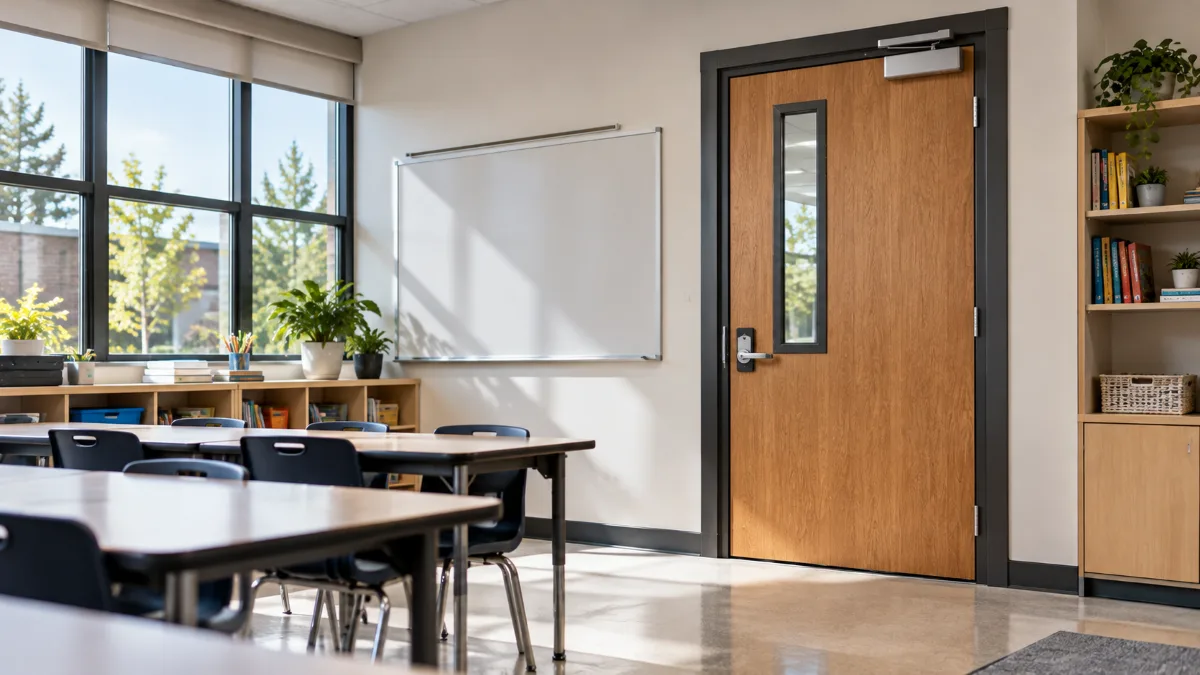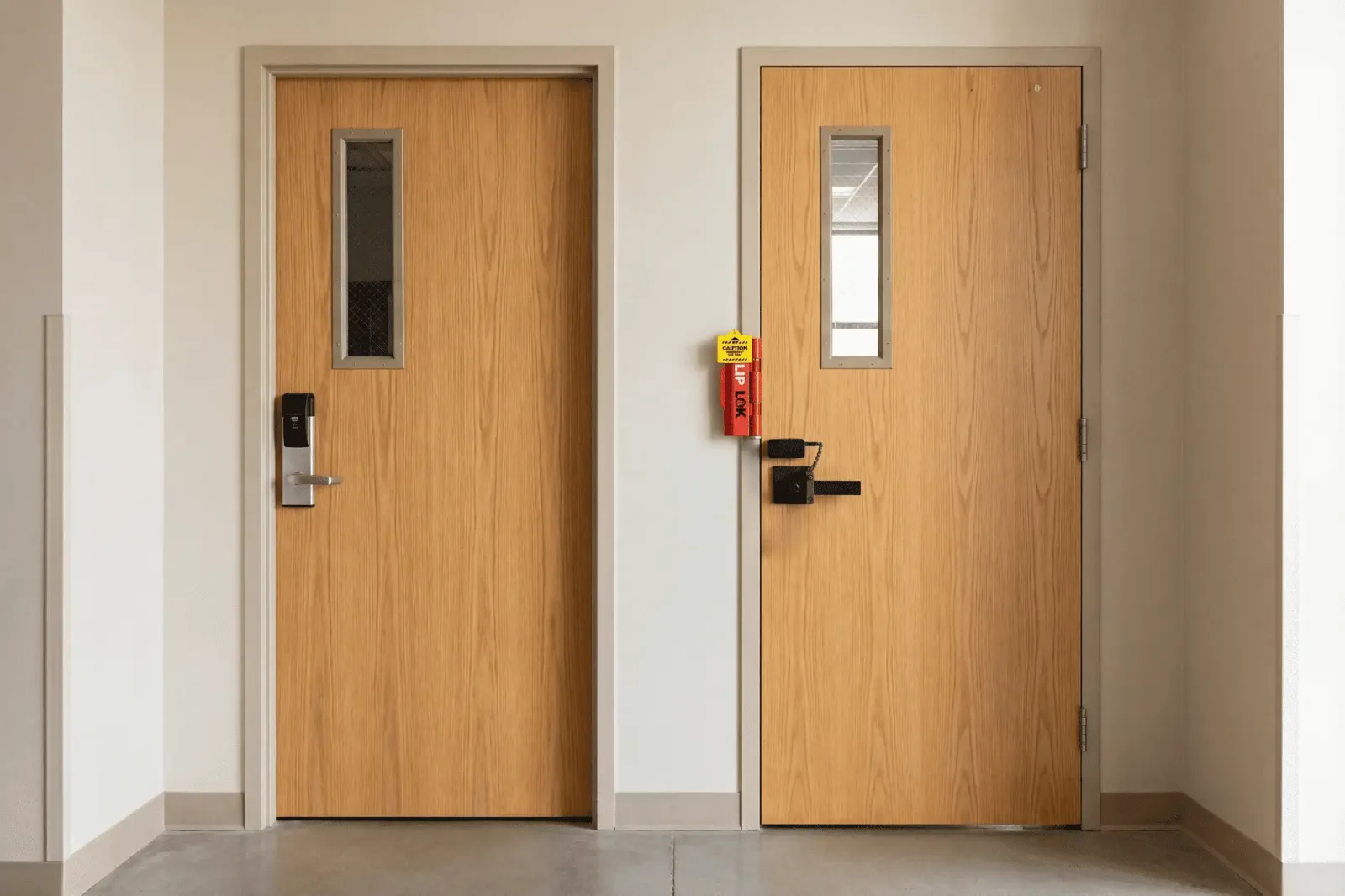
When comparing mechanical vs electronic locks for schools, the most important question is not which option seems more advanced. The real question is which lock works instantly and consistently during an emergency, when stress is high and every second matters.
Many schools consider electronic systems because they offer access control, scheduling, and monitoring. Those features can help with daily operations, but they do not always guarantee immediate classroom protection during a lockdown.
In real school emergencies, power issues, network delays, and system failures can create dangerous gaps. That is why school leaders should evaluate mechanical vs electronic locks for schools based on emergency performance, not convenience features alone.
A strong school safety and security plan uses layers, but the classroom door is still the front line. Reliable lockdown hardware, clear staff procedures, and fast operation help protect students and staff across the school community.
What Is The Difference Between Mechanical Vs Electronic Locks For Schools?
The main difference in mechanical vs electronic locks for schools is how each lock functions under pressure. Mechanical locks operate through direct physical action, while electronic locks often depend on power, batteries, software, or network systems.
That difference may seem minor during normal school hours, but it becomes major in an emergency. A system that works well for scheduled access may not respond the same way during a power outage or delayed command.
Electronic locks can help with credential management and tracking. These are useful features, but they are not a replacement for immediate lockdown capability inside the classroom.
Mechanical locks give teachers direct control over the door. In a real lockdown, local control often matters more than a connected system that may not respond instantly.
Why Reliability Matters More Than Features During A Lockdown
When schools evaluate mechanical vs electronic locks for schools, reliability should carry more weight than advanced features. In a lockdown, a classroom lock must work immediately, without extra steps or troubleshooting.
Electronic systems can support building operations, but emergencies add uncertainty. A delay caused by power loss, connectivity issues, or system lag can cost valuable response time.
Mechanical locks reduce these risks because they function without electricity or software. Teachers can secure the room with a simple action, which helps avoid hesitation and confusion.
This consistency is critical in high-stress moments. Staff members need a lock they can trust to work the same way every time, which supports faster response and stronger school safety and security outcomes.
How Simplicity Supports Faster Classroom Response
Simplicity is a major advantage when comparing mechanical vs electronic locks for schools. Simple hardware is easier to operate, easier to train on, and easier to trust during an emergency.
Mechanical lockdown locks are designed for repeatable action. When the locking motion is clear and immediate, teachers can respond faster without relying on screens, batteries, or outside support.
Simplicity also helps schools standardize training. Staff members learn one process, practice it consistently, and build confidence over time.
Why Simplicity Helps Schools
- Faster lockdown response
- Easier staff training
- Fewer failure points
- Clearer procedures
Mechanical systems also reduce maintenance complexity. Schools do not have to manage software updates, battery replacements, or network dependencies just to maintain classroom lockdown capability.
Where Electronic Locks Fit In A School Security Plan
Electronic systems still have value in a layered security strategy. When discussing mechanical vs electronic locks for schools, the best solution is often a combination of both, with each serving a different purpose.
Electronic locks and access systems can support:
Common Electronic System Benefits
- Entry scheduling
- Access tracking
- Building alerts
- Oversight support
These tools help administrators manage operations and improve visibility. They can be useful at building entrances, staff-only spaces, and other controlled areas.
However, classroom protection during an emergency requires immediate physical security. Cameras and access platforms provide information, but the lock on the door provides protection. That is why schools should treat electronic systems as a support layer, not the only line of defense.
Why FlipLok Fits Real Classroom Conditions
FlipLok is built for the real conditions schools face during emergencies. In the debate around mechanical vs electronic locks for schools, FlipLok addresses the most important need: dependable classroom lockdown performance without power or connectivity.
FlipLok can be engaged from inside the room with one motion. That allows teachers to secure the classroom quickly without stepping into the hallway.
Its ADA-compliant design supports operation by people of different heights and abilities, which is essential during high-stress situations. FlipLok is also engineered for strong physical resistance and is designed to withstand over 2,000 pounds of force.
For schools reviewing lockdown locks and classroom door hardware, FlipLok offers a practical solution focused on reliability, simplicity, and real emergency readiness.
FAQ
Are Mechanical Or Electronic Locks Better For School Lockdowns?
For lockdown response, mechanical locks are often more dependable because they do not rely on power, Wi Fi, batteries, or software. Electronic systems can support access control and monitoring, but immediate classroom lockdown performance usually depends on simple, direct hardware that works under stress. See SchoolSafety.gov and CISA K-12 resources for broader school security guidance.
Can Schools Use Both Mechanical And Electronic Locks?
Yes, many schools benefit from a layered approach. Electronic systems can help manage building access, schedules, and alerts, while mechanical classroom locks provide immediate physical protection during emergencies. This combination supports daily operations and emergency response without relying on a single system for every function.
What Should Schools Prioritize When Comparing Lock Options?
Schools should prioritize emergency reliability, ease of use, ADA compliance, and physical resistance. A lock must be simple enough for staff to operate quickly and consistently during a lockdown. Schools should also review applicable accessibility and life safety requirements through sources like the ADA Standards and NFPA.
Why Does Simplicity Matter In Classroom Security?
Simple systems are easier to train on and easier to use under pressure. During a lockdown, teachers need a clear action they can perform immediately. Mechanical locks support that response by removing extra steps, screens, and system dependencies that may slow people down during an emergency.
Mechanical Vs Electronic Locks For Schools
The discussion around mechanical vs electronic locks for schools should focus on what works under real emergency conditions. Electronic systems can support access and monitoring, but dependable classroom protection still starts with a lock that works instantly and consistently.
FlipLok is designed for that reality, with one-motion operation, ADA-compliant design, and strong physical resistance for classroom security. If your school is planning security upgrades, contact FlipLok to discuss a practical solution built around safety, simplicity, and mechanical vs electronic locks for schools.
Contact us today for more information and to learn more about our school safety solution for classrooms and campuses.