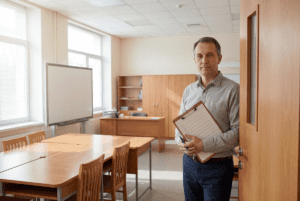
We live in a time where cameras, alarms, and smart technology are everywhere. Schools, workplaces, and homes rely on video monitoring, alerts, and apps to stay informed. These physical security tools help us see what is happening, communicate faster, and respond more efficiently. When used correctly, they are an important part of modern school safety and security.
But visibility alone does not stop a threat.
Most digital security systems are reactive. Cameras record events as they happen. Alarms notify us once something has already gone wrong. Alerts arrive after someone has attempted to enter a space. That information is useful, but it does not physically prevent access. When safety is measured in seconds, reaction matters, but resistance matters more.
Physical security is what determines whether a door opens or stays closed.
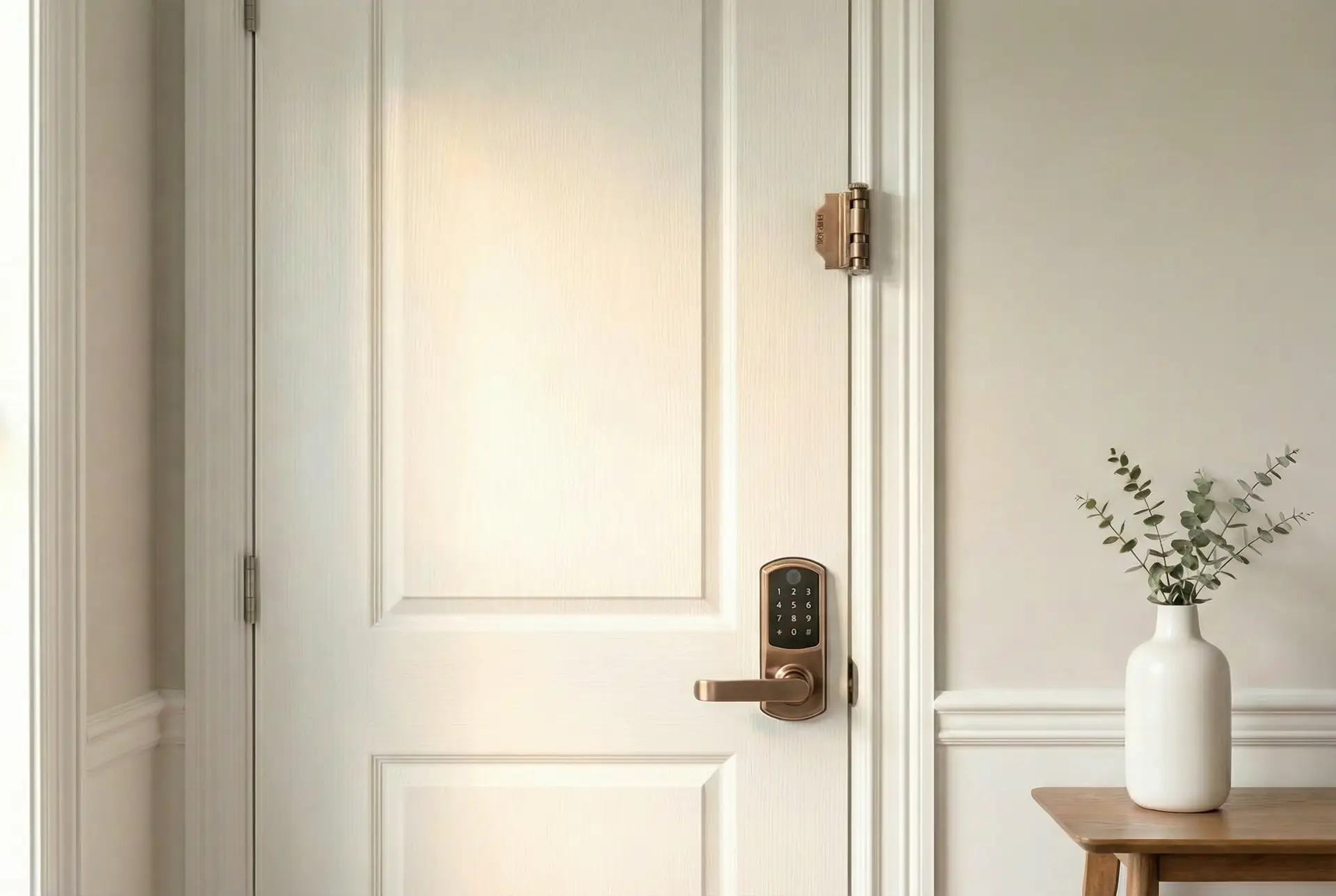
A secured door, reinforced hardware, and a reliable classroom door lock can slow down, deter, or completely stop an intruder. That delay creates time, and time creates options. It gives people the chance to move to safety, allows first responders time to arrive, and can change the outcome of a dangerous situation. In classrooms, offices, and public buildings, those extra seconds matter.
This is why classroom security and school safety start at the door. Cameras may show what is happening, but locks control access. During an emergency, a door that can be secured quickly becomes one of the most important safety tools in the room.
Mechanical security remains essential because it works no matter the circumstances. It does not rely on electricity, Wi Fi, batteries, or software updates. It does not fail during power outages or network disruptions. In high-stress moments, when fine motor skills decline, and clear thinking becomes harder, simple and dependable physical systems continue to work exactly as intended.
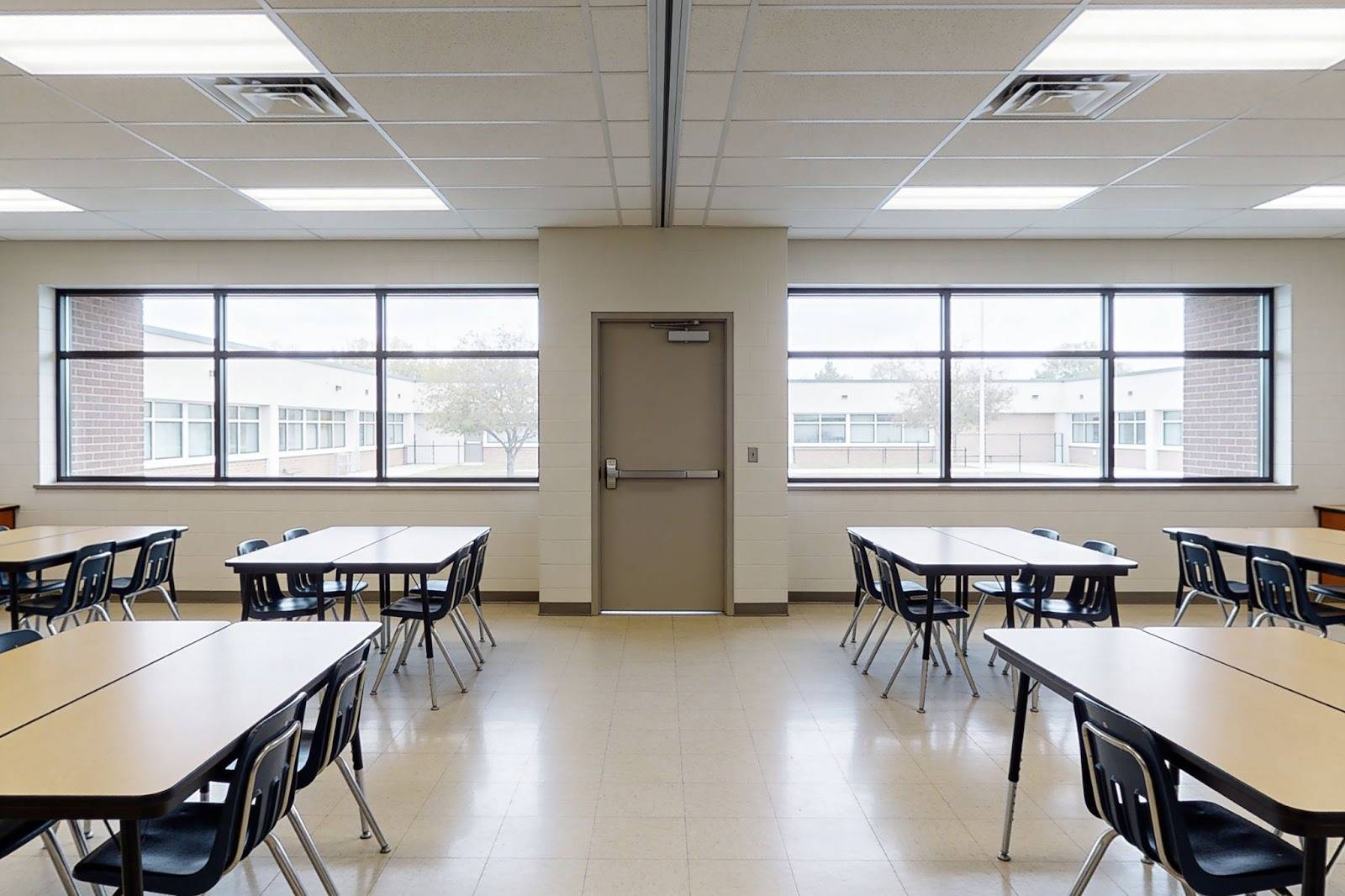
For schools, this reliability is especially important. Many classrooms have outward-opening doors, which means temporary barricades or improvised devices are not effective or safe. Purpose-built lockdown locks and emergency classroom locks designed for outward-opening doors provide real protection without compromising safety or accessibility. When those locks are ADA-compliant, they ensure that anyone can secure the door quickly and correctly.
The most effective school safety and security strategies do not force a choice between technology and physical protection. They use both. Technology helps identify risk, share information, and support coordination. Physical security provides resistance and protection at the point of entry. One helps us understand what is happening. The other helps keep people safe.
No matter how advanced technology becomes, safety does not begin with a camera or an alert. It begins with the door.
Learn how a mechanical locking system like FlipLok supports physical security at the point of entry. [FlipLok door security solution]