Safety enhancements without construction can make your home or office safer without requiring a large budget, major renovations, or a contractor. The most powerful safety enhancements are typically those that fit easily into your daily routine. There are several safety layers, which all contribute to creating a safer environment. A lock is one safety layer. However, lighting, habits, and preparedness are additional layers. When all of these layers are in place, your safety system is much more reliable.
Layered safety enhances safety, yet is not limited to costly, complex systems. Every safety improvement doesn’t require the services of a contractor, a large budget, or massive amounts of renovations. Most of the safest enhancements can be made in just a few hours, and some may take no more than a few minutes and can cost little or nothing. The key is finding the right safety enhancements that will make your home safer and provide you with peace of mind by strengthening the weakest areas and providing you with the ability to remain calm and respond to an emergency situation with confidence.
In particular, this approach is beneficial to renters, owners of older homes, and to families who wish to achieve practical safety without renovating their homes. The goal of the safety enhancements isn’t to make everything perfect. The goal is to create a stable and predictable safety environment that fits into your daily routine.
To create a safe environment without the expense of construction, we recommend focusing on entry points, lighting, organization, and simple plans that minimize uncertainty. These are some of the most practical safety enhancements without construction.
Enhance Your Door Security Through Simple Enhancements
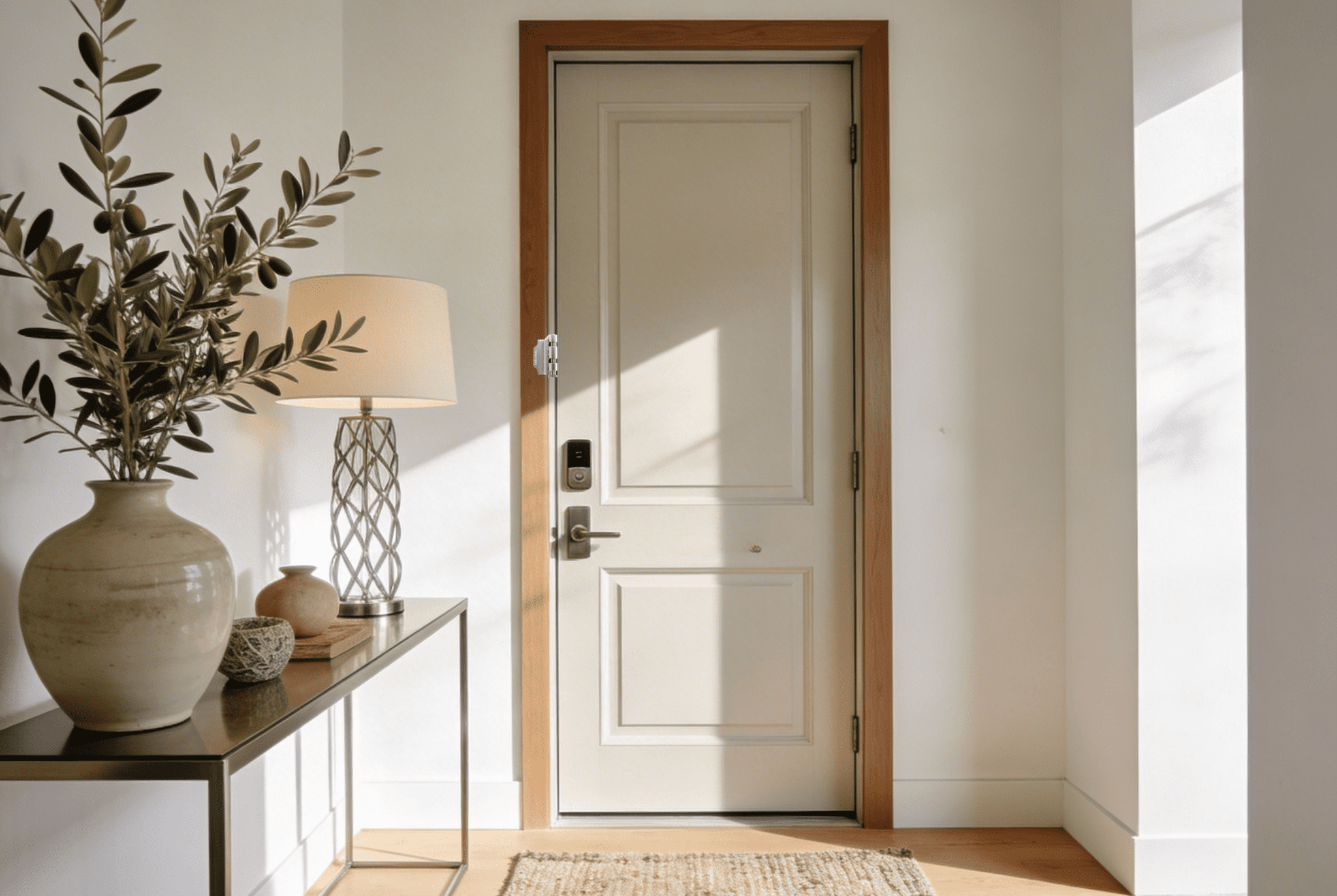
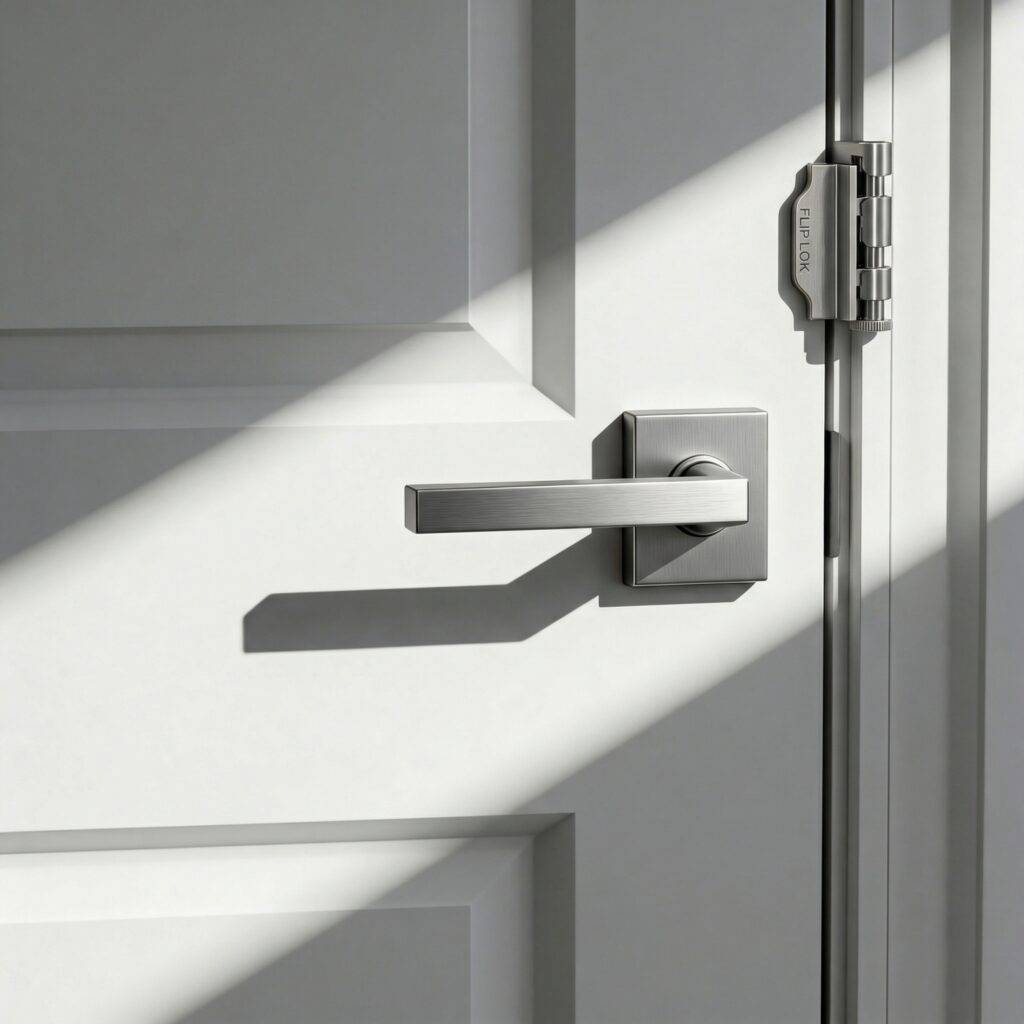
Your front door is likely the first point of attack in terms of enhancing your home’s safety. While you can certainly improve the safety of your front door by replacing it, there are many other ways to enhance your front door’s safety. Some of the ways to enhance your front door’s safety include ensuring the door closes completely and latches securely. If your door does not close completely or latch securely, report it to your landlord or property manager.
In addition, you can install an interior reinforcing device that does not require any holes to be drilled in order to function. In fact, most reinforcing devices are designed to be removable and can provide added resistance to forced entry when you are at home.
Consistency is essential to households. A consistent dead bolt routine provides better protection than installing numerous gadgets that are rarely utilized. This is the type of safety enhancement without construction that can provide you with real benefits, due to the ease of maintenance. It is also one of the easiest safety enhancements without construction to maintain over time.
Increase Awareness With Lighting & Clear View Lines
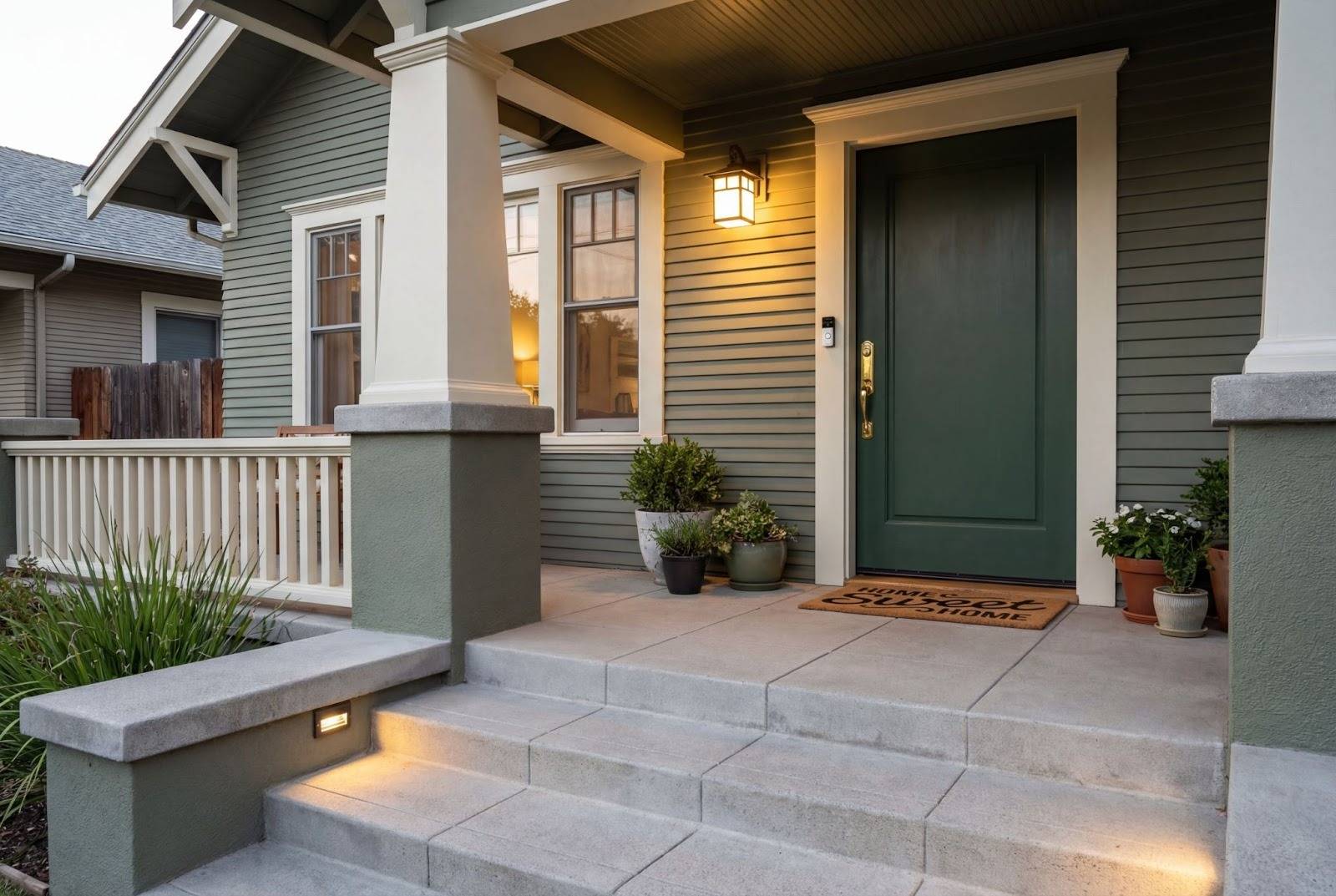
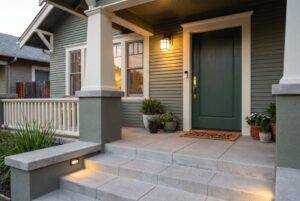
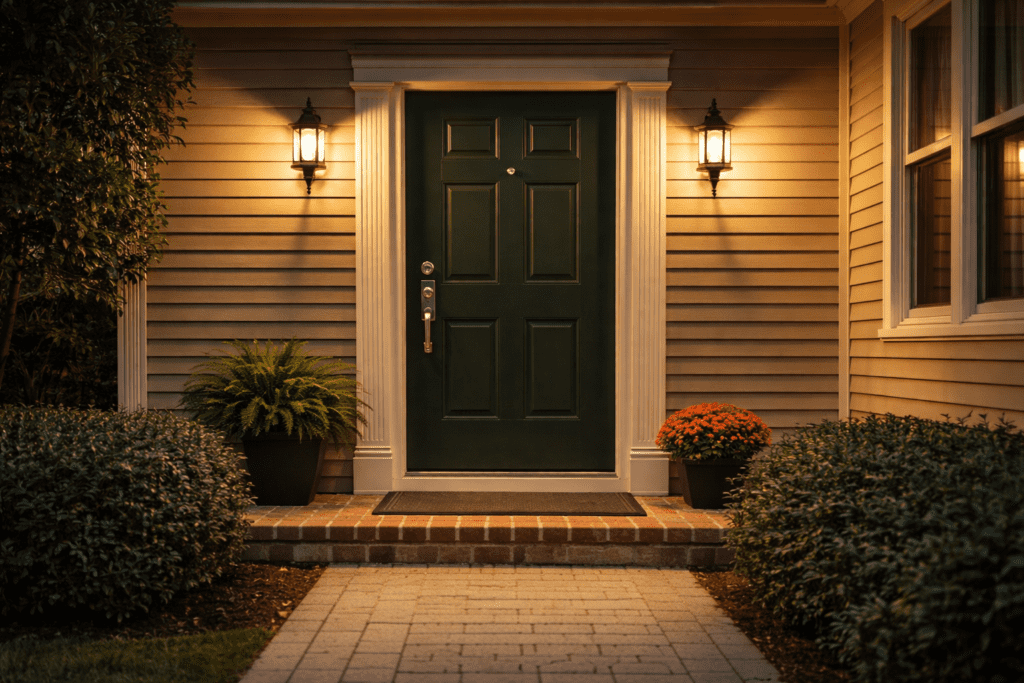
Enhancing visibility is perhaps the simplest method of achieving a safer environment. Improved visibility enhances awareness immediately. Exterior lighting can eliminate concealment in the area surrounding the entry points to your home, allowing you to be able to observe activity outside of your home.
Motion-activated lighting is a popular non-construction safety enhancement. Motion-activated lighting can increase awareness without disrupting your daily activities. Inside your home, night lights in hallways and near stairs can help ensure safe travel during the evening hours. These are practical safety enhancements without construction that fit easily into daily life.
Quick Visibility Enhancements
• Motion-activated porch lighting
• Clear walkways
• Lit house numbers
• Fewer exterior blind spots
Small visibility enhancements can make a home feel safer and more secure without any construction.
Reduce Exposure Without Altering Windows
Exposure is a safety layer that can be enhanced without the need for construction. When people can view into a home at night, they are able to view a home’s occupants’ routines and valuable possessions. Simple exposure-reducing methods can reduce this risk.
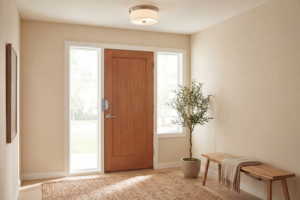
Use window treatments, blinds, or window films to block visibility into lower level windows. Sidelights adjacent to your front door are a great location to apply exposure-reducing materials.
Additionally, exposure-reducing methods can support confidence. Many families feel safer in their homes when their homes appear less vulnerable, particularly in apartments and rental units. This is another example of a safety enhancement without construction that blends seamlessly into your daily life. These types of safety enhancements without construction can also be inexpensive and easy to maintain.
Develop Basic Preparedness Habits That Feel Routine
Preparedness is one of the greatest safety layers. Preparedness enables individuals to act with confidence. You don’t need to purchase expensive equipment. What you need is a simple plan that your household can rely upon.
A practical plan includes:
• A family contact list written down
• A local and farther meeting spot
• A basic checklist of initial actions
Practical plans work best when they are calm and familiar. For families with young children, explain the plan simply and reassure them. The objective is to develop a plan for preparedness, not to instill fear.
If you would like a simple framework for developing a family plan, visit Ready.gov for a simple template: https://www.ready.gov/plan
Utilize Organization To Decrease Stress During Emergencies
Organization is an underappreciated safety layer. When an unforeseen event occurs, clutter can hinder movement and exacerbate stress. A few organizational enhancements can enhance the safety of your home both day-to-day and during emergencies.
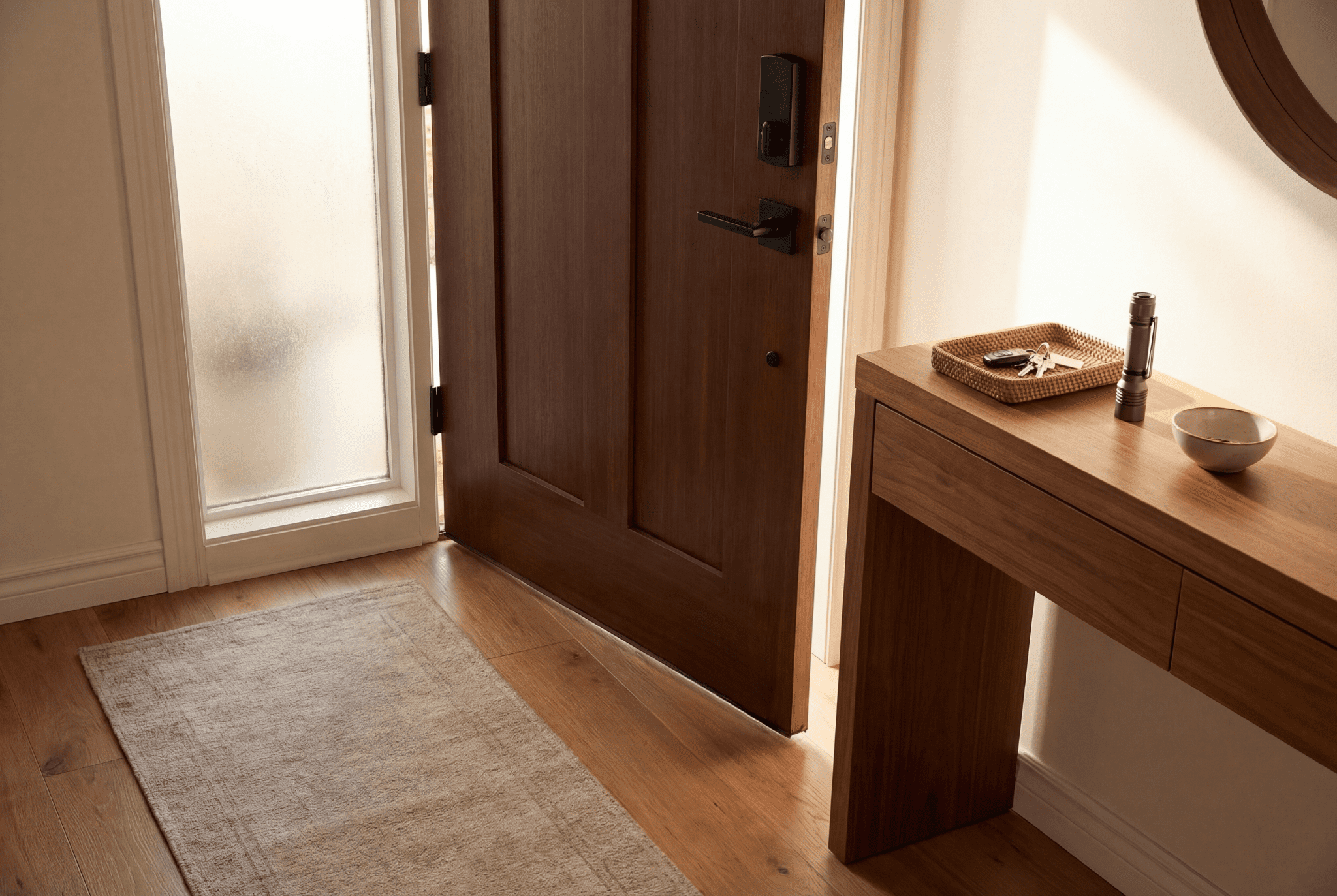
Keep your exits unobstructed. Ensure that keys are easily located. Place flashlights in accessible places. If you have young children, store important items in the same location each week to prevent confusion.
Additionally, organizing your home will help with routine safety. Organizing your entrance way will reduce tripping hazards and allow everyone to move more confidently at night. These are simple safety enhancements without construction that can improve both safety and comfort.
Establish Habits That Will Help You Act Automatically When Needed
The best safety enhancements are those that you practice automatically. Habits will help you act safely, as they reduce decision-making.
Some examples of simple habits include locking the deadbolt at the same time each night, double-checking to ensure that doors close and latch securely when departing, and establishing safe practices for responding to visitors.
When you reside with roommates, you must agree on safety procedures. Many safety issues arise from the assumption that another roommate is secured. Establishing a shared routine will decrease this confusion and promote safety enhancements without construction that will last longer.
FAQs
What Are The Most Effective Safety Enhancements Without Construction?
Focus on entry points, lighting, privacy and preparedness. Practical safety enhancements, including a consistent deadbolt routine, motion-sensitive lighting, private coverings, and a family plan can improve your safety without requiring renovations.
Are There Any Renter-Friendly Safety Enhancements Available?
Yes. Many safety enhancements without construction are renter-friendly, including removable door reinforcing devices, private covering options, and light-enhancing options. Check your lease prior to initiating any modifications, and only drill into walls with approval.
Do I Have To Install A Complete Security System?
No. Many households create a strong foundation of safety using multiple basic layers, such as a reliable lock, good lighting, regular routines and simple preparedness. If you decide to install a system, it should supplement these basic layers, not replace them.
What Are The Most Effective Ways To Make My Home Feel Safer At Night?
Nighttime safety enhancements involve increasing awareness and consistency. Use motion-sensitive outdoor lighting, night lights indoors, keep your paths clear, establish a consistent door locking habit, and use private coverings to reduce visibility into your home at night.
How Frequently Should Families Revisit Their Preparedness Plans?
Most households should revisit their preparedness plans a couple of times per year. Verify your contact list, check your flashlights, and verify your meeting spots. Consistency is far more important than details.
Safety Enhancements Without Construction You Can Make
Safety does not have to be overly complicated to be effective. When you reinforce entry points, increase visibility, increase privacy, and foster calm preparedness habits, you create protection that functions in reality and without the need for construction.