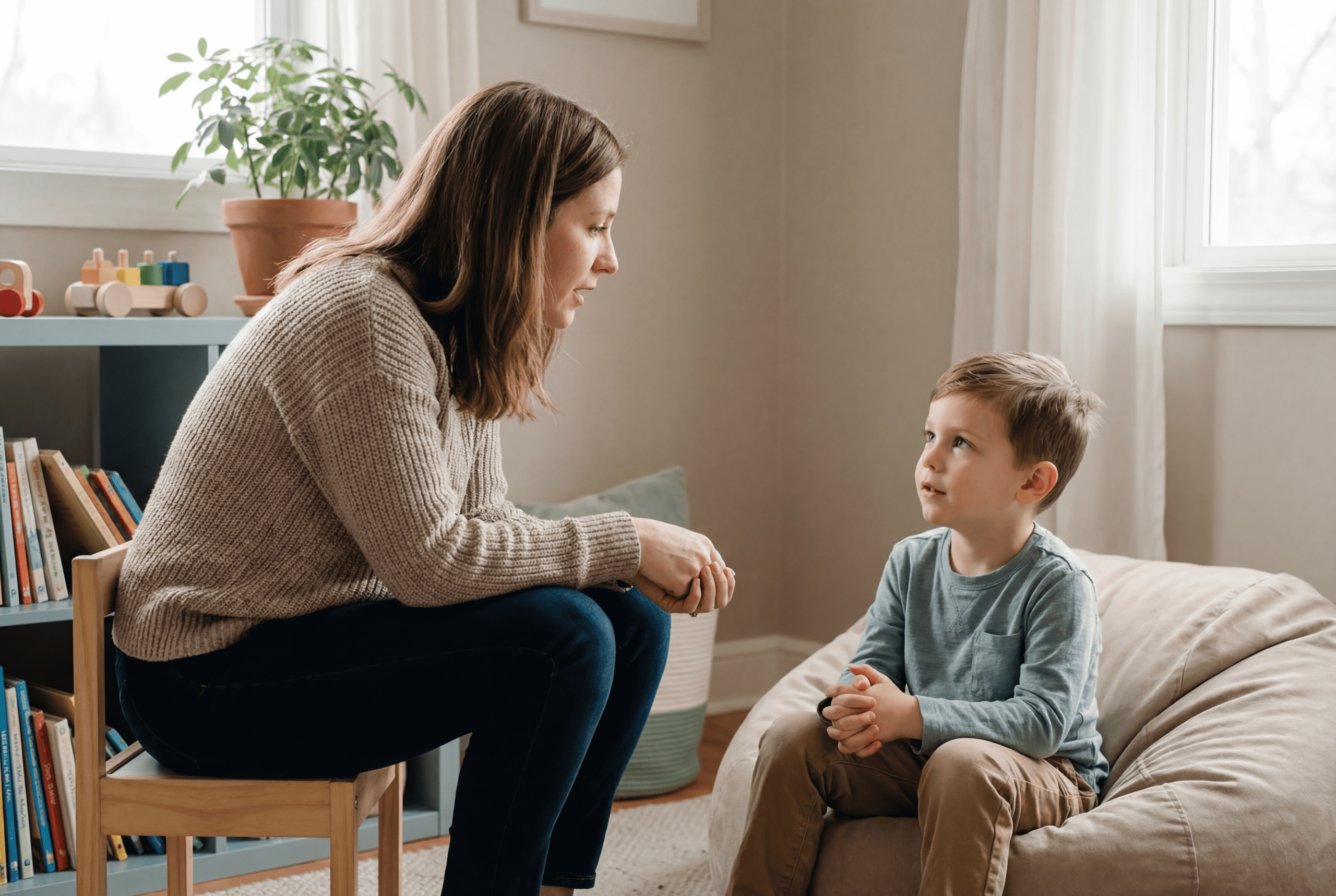
Teaching kids about safety starts with helping them understand the difference between feeling safe and being safe, and that is one of the most important lessons we can give them.
Feeling safe is emotional. It is about comfort, familiarity, and trust.
Being safe is practical. It is about awareness, boundaries, and knowing what to do when something does not feel right.
Kids naturally rely on feelings, but feelings can be misleading. A place can feel safe and still present risk. A person can seem friendly and still cross a boundary. Understanding this difference helps children make better choices without creating fear.
This lesson applies everywhere. At home, at school, online, and during everyday activities. School safety and classroom security depend not only on adults and systems, but also on children’s understanding of when to speak up and when to ask for help.
Helping children understand this difference builds confidence. It starts with honest conversations. Safety is not about being scared. It is about paying attention.
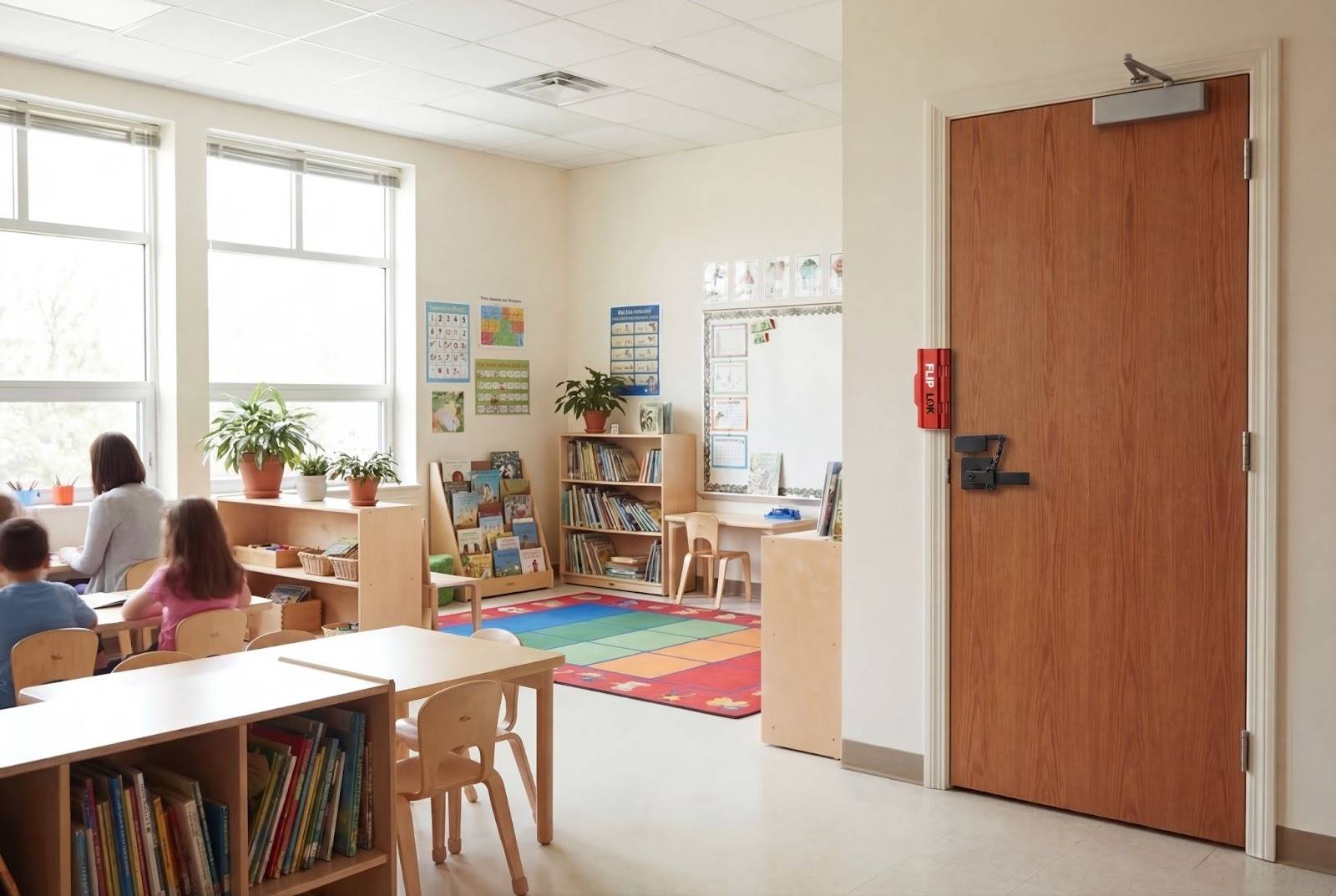
A child may feel safe in a familiar classroom or around adults they see every day, but being safe means knowing the rules that protect them. It means understanding who is in charge, where to go during an emergency, and how to respond if something feels off. Just like doors and safety locks for doors create physical protection, knowledge creates personal protection.
The goal is not to overwhelm kids with rules. It is to give them simple tools they can remember. Teach them to trust their instincts, but also to pause and think. Encourage questions. Practice situations together so responses feel natural and calm.
When kids understand that feeling safe and being safe are not always the same, they become more prepared and more capable of protecting themselves in the real world.
A Simple Safety Checklist to Review With Your Child
Teaching kids about safety works best when it becomes an ongoing conversation, not a one-time talk. These questions can be used during car rides, before school, or after activities.
Questions to help kids think about safety
Does this place feel safe, or is it actually safe?
What makes you feel comfortable here?
What rules help keep people safe in this situation?
Who is in charge if something goes wrong?
Where could you go if you needed help quickly?
Explain that it is okay if something feels fine but still requires smart choices.
Questions to Practice for Real Life Situations
These questions help children pause and think before reacting.
If something feels confusing or wrong, who can you tell right away?
What should you do if an adult asks you to break a rule?
What should you do if you feel pressured to keep a secret?
How can you leave a situation safely if you feel uncomfortable?
Who are the trusted adults you can go to at school or at home?
Reinforce that asking for help is never getting someone in trouble. It is staying safe.
Simple Safety Reminders for Kids
Keep these short and easy to remember.
Trust your feelings, but also think before acting.
You are allowed to say no, even to adults.
Safe adults do not ask kids to keep unsafe secrets.
If something feels wrong, get help right away.
Safety is about awareness, not fear.
A Tip for Parents
Practice these conversations regularly, not just after a scary headline or school safety incident. When kids talk through safety in calm moments, they are far more likely to respond confidently when it matters most.
A Helpful Resource for Families
If you would like to revisit these questions together, you can download a printable version of the checklist from this blog to use at home or share with caregivers and teachers.
Download the Safety Checklist PDF.
If you are also interested in learning more about physical safety solutions that support secure classrooms and everyday environments, you can explore FlipLok’s door lock options here. Explore FlipLok door locks