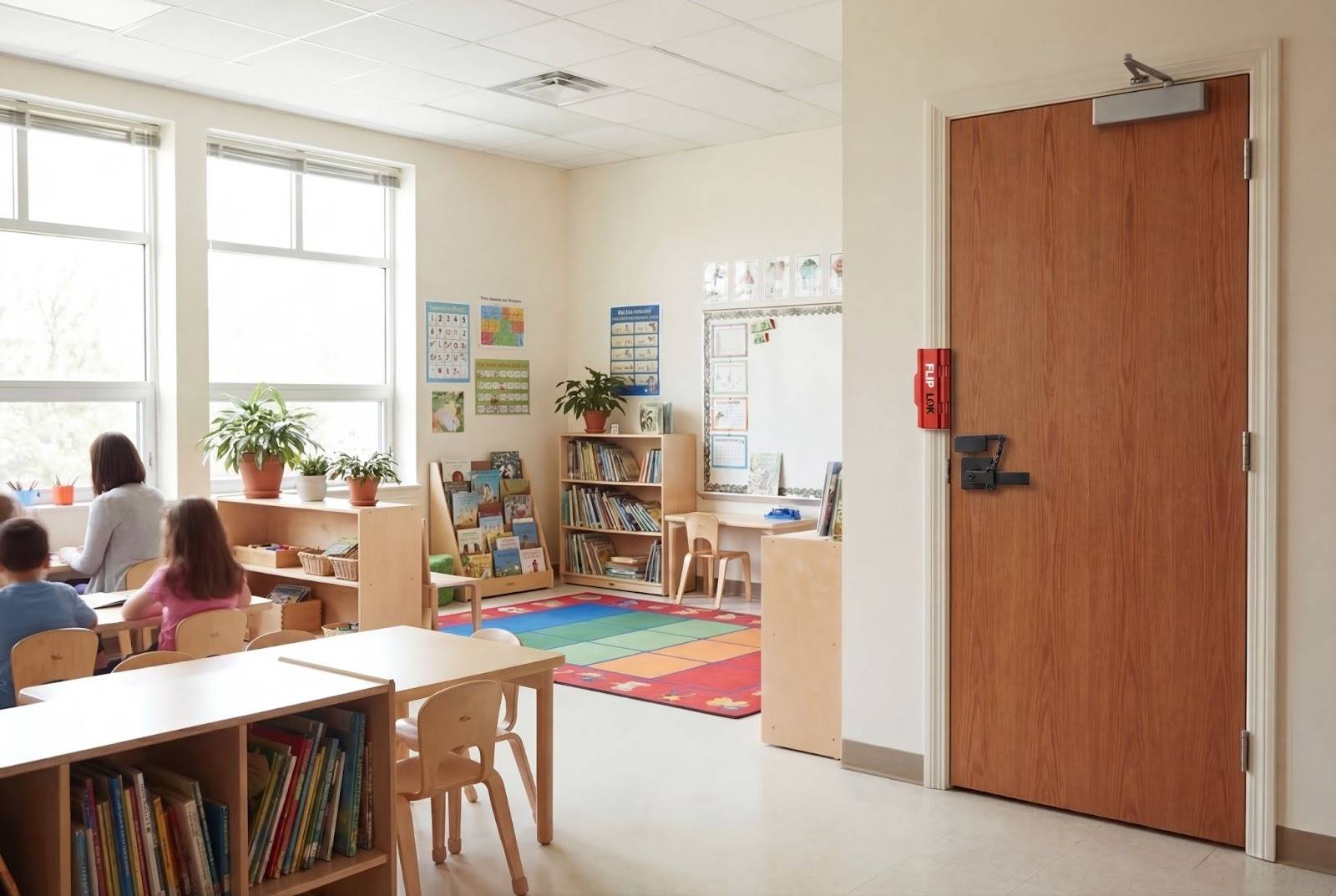
Why closed doors matter in emergencies is a lesson children can understand without needing scary details. Children benefit from simple and repetitive safety messages that provide confidence and reassurance. The importance of closed doors in emergency situations is a very applicable lesson because it relates to something children see and experience daily in their homes and schools.
A closed door is more than a barrier. A closed door provides separation, reduces exposure, and buys time for adults to react. There are many different emergency situations, including a lockdown or someone dangerous nearby, where a closed and secure door provides protection to those who are inside the room.
It is essential to note that the purpose of having this type of conversation is not to instill fear within children regarding doors. Rather, the goal is to teach children that doors are simply part of the safety routine, along with remaining with the group, listening to teachers or adults, and following directions in a timely manner. Once children understand the why, they are much more likely to follow directions calmly.
When discussing a topic such as this, the conversation is best when it appears normal and reassuring. Simple reminders and practice enable children to recall what to do in case of an emergency without experiencing anxiety.
Why Closed Doors Provide a Safe Barrier
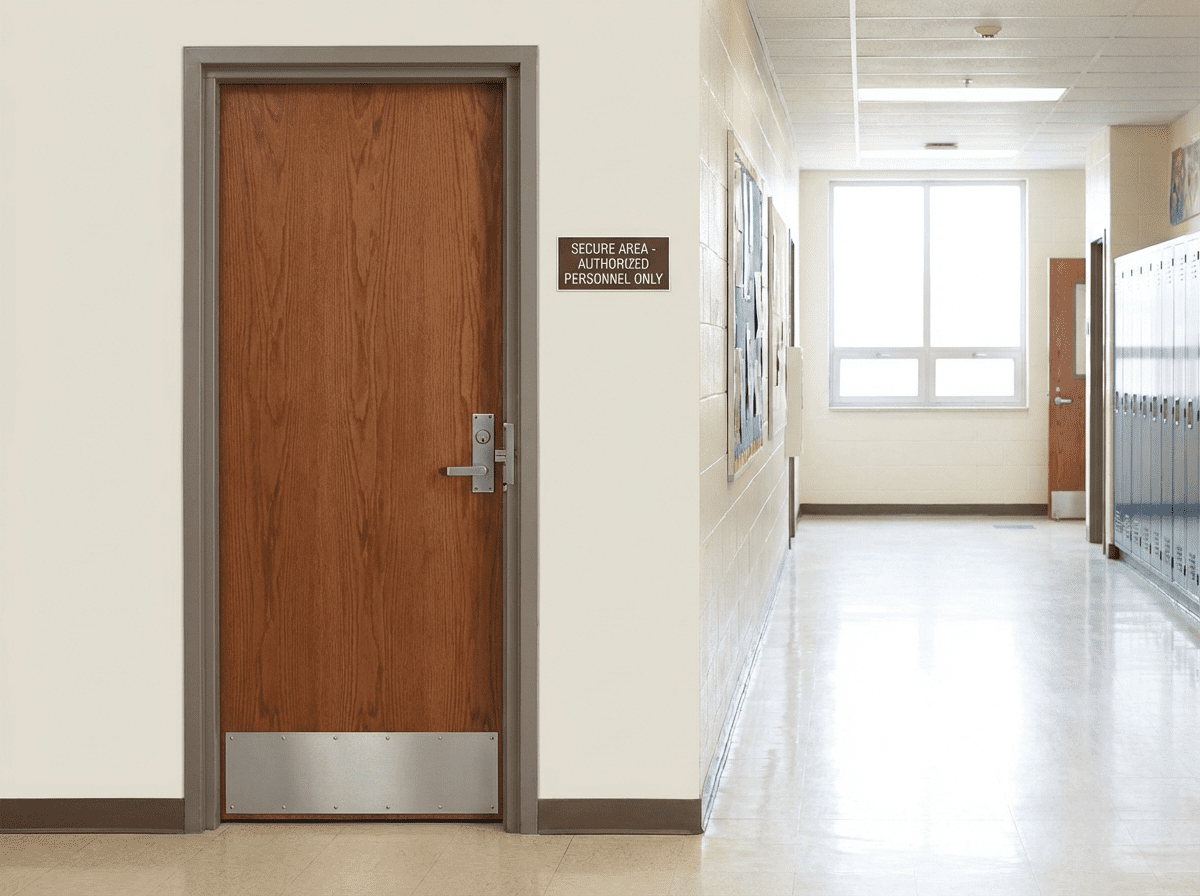
When a door is closed, it clearly separates all parties inside the room from everything taking place outside the room. Children can understand this concept without being told frightening examples. You can tell children that doors assist in separating areas so adults can address issues and everyone remains together.
Additionally, a closed door reduces distractions and confusion. If there is commotion occurring in the hallway or tension outside the room, closing the door helps keep the room calmer. Children often derive emotional cues from their environment, so providing a calmer space enables improved listening skills.
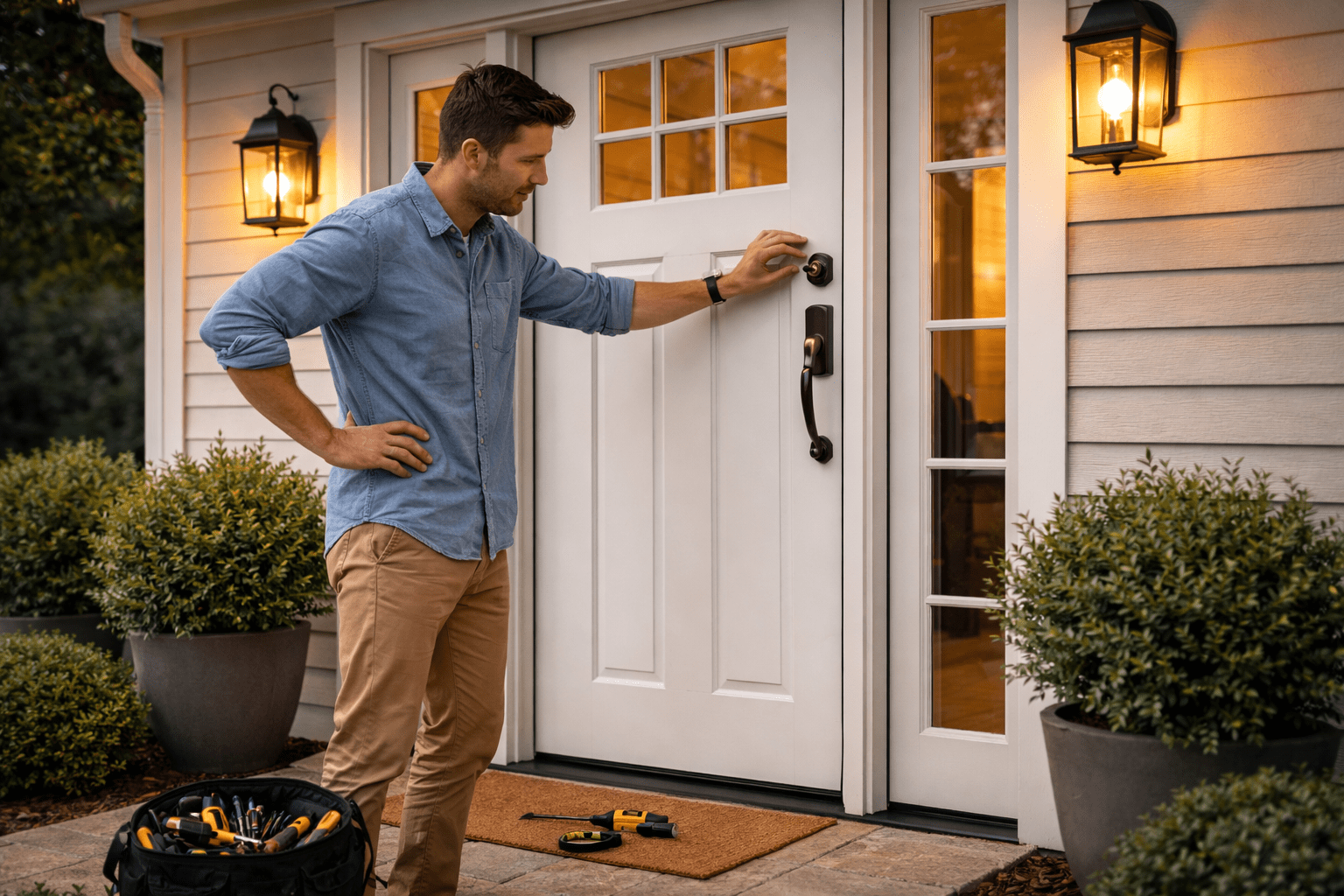
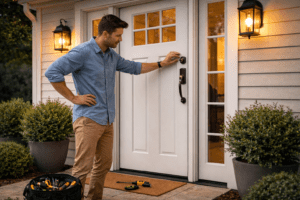
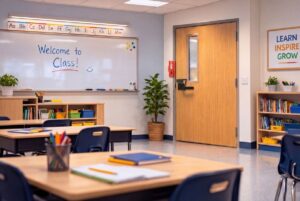
In classrooms across America, closed classroom doors allow teachers to rapidly address concerns and implement safety procedures. Closing bedroom doors at night can also be an integral part of nightly routines. Teaching children why closed doors matter in emergencies can help foster a sense of safety in both educational and personal environments.
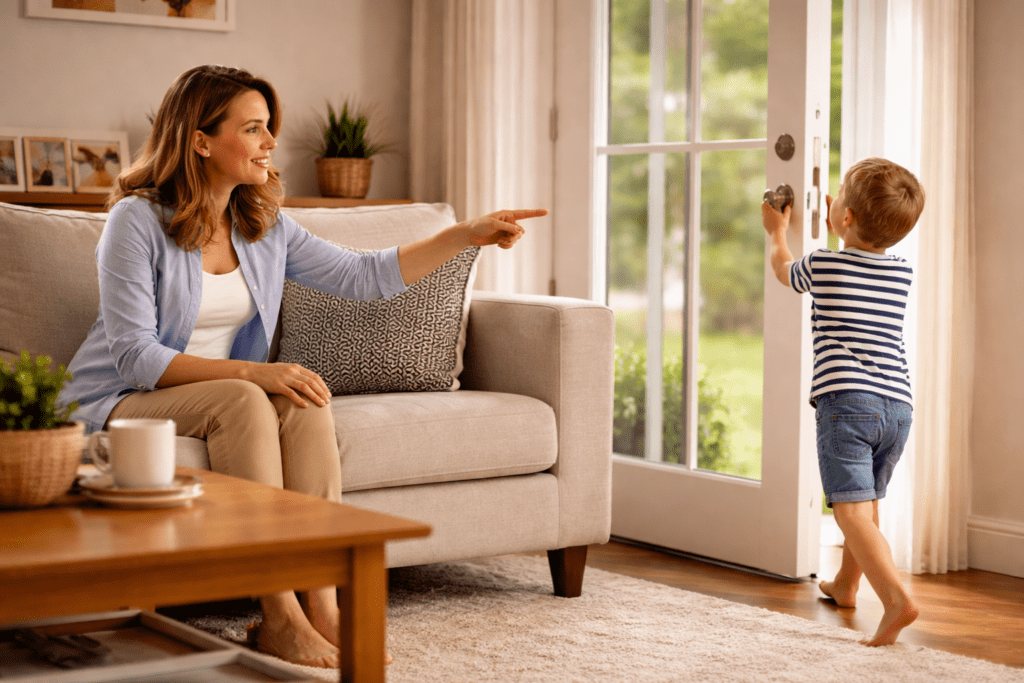
How To Discuss This Concept Without Creating Fear Within Your Child
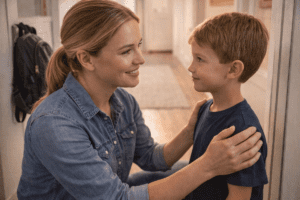
Using positive, straightforward language is best. Emphasize how closed doors help adults maintain safety for themselves and others. Avoid dramatic language or hypothetical questions that may frighten your child.
Examples of simple ways to discuss this concept are:
• “Closed doors help us keep our classroom or sleeping area safe and calm.”
• “If something occurs, we remain together and allow adults to deal with it.”
• “We close the door so we have time to listen and act.”
You can also relate this idea to something your child already understands. For example, a closed door can be thought of as a pause button that gives those inside the room time to listen and follow directions. If your child asks why, provide one concise answer and then return to reassurance. Typically, young children require little information and rely on adults having a plan for their well-being.
Age-Specific Language To Use Based on Age
Children process safety lessons differently depending on their age. Keep the message consistent, but tailor the explanation to the child’s developmental stage.
Younger Children, Preschool to Early Elementary
Explain briefly with routine:
• Stay with the teacher or parent
• Close the door
• Listen for instructions
Create a simple safety rule for younger children rather than explaining further.
Older Children, Upper Elementary to Middle School
Add some rationale:
• Closed doors separate rooms from potential dangers
• Closed doors reduce confusion, enabling adults to respond
• Closed doors support safety planning at school
Older children can understand basic cause-and-effect relationships without fearful descriptions.
What Children Should Do When An Adult Tells Them To Close The Door
It is important for children to develop a response, not just understand the theory behind it. Children should understand that when instructed to close the door, they should do so quickly and calmly.
Develop a sequence:
- Remain in the room
- Move far enough away from the doorway
- Remain silent and listen
- Follow adult instructions
Practice this sequence at home in a calm manner using neutral language. This should feel similar to practicing a fire drill, not rehearsing a frightening situation. Following these steps prepares children for future events, and well-prepared children tend to be less anxious because they know what to do first.
Why Classroom Doors And Locks Assist Teachers With School Safety Procedures
Teachers are responsible for student safety and composure during crisis situations. A closed door assists teachers in developing order during an urgent circumstance. By securing a classroom door quickly from inside the room, teachers can concentrate on assisting students rather than dealing with equipment.
Therefore, classroom door security, along with easy-to-use locking mechanisms, is a critical factor. The design of the door and locking devices should function predictably even under extreme conditions. Predictability helps reduce hesitation.
FlipLok was developed with this principle in mind. FlipLok enables classroom doors to be securely fastened from inside the room with one motion without requiring electricity or communication capabilities. Additionally, FlipLok meets ADA standards and has been tested to withstand greater than 2,000 lbs of force while allowing for unobstructed exit. When reliable tools are available, teachers can provide students with simple instructions and maintain an orderly classroom environment.
FAQ
What are the reasons behind closing doors in emergency situations?
Closing doors creates separation and reduces exposure. It keeps a room calmer, enables safety procedures to be followed, and allows adults more time to react. For children, the most important lesson is that closed doors help them stay together and follow directions.
How can I teach my child to understand why doors should be closed at home during emergency situations without creating fear?
Explain that closed doors help adults keep everyone safe and organized. Keep your language short, avoid frightening examples, and reassure your child that adults are trained and ready to take care of them.
Are there any rules to determine whether or not your child should close doors at home during emergency situations?
The safest general rule is for your child to follow any direction given by an adult and remain close to you. Practice routines during non-emergency times so that when there is an emergency, your child can act with greater confidence.
If your child develops anxiety from having these types of conversations about safety, what should you do?
Reduce the length of the conversations and reassure your child again. Reassure your child regarding routines, trusted adults, and the normalcy of preparing for emergencies. If the anxiety persists, consider consulting with your pediatrician or a child mental health professional.
How do schools make decisions regarding the safety of doors and locks?
Schools assess the safety of their doors, the way students lock doors, and their emergency readiness as part of overall school safety plans. Reviewing general information available through SchoolSafety.gov and CISA’s K–12 resources can help families understand general guidelines.
Teaching Kids Why Closed Doors Matter in Emergencies
Teaching kids why closed doors matter in emergencies helps them connect safety to a regular routine and reduces fear. Once children recognize that closed doors help separate people, support direction from teachers, and allow adults time to make decisions or take action, they are better able to follow instructions quickly and confidently.
FlipLok provides enhanced classroom protection by helping teachers secure doors using a simple, dependable one-motion locking mechanism. Please contact us to learn more about our school safety solutions and how thoughtful door design can help schools create a safer, less chaotic approach when responding to emergencies.