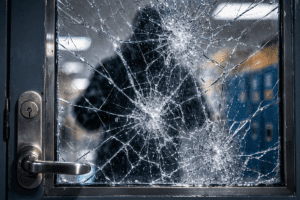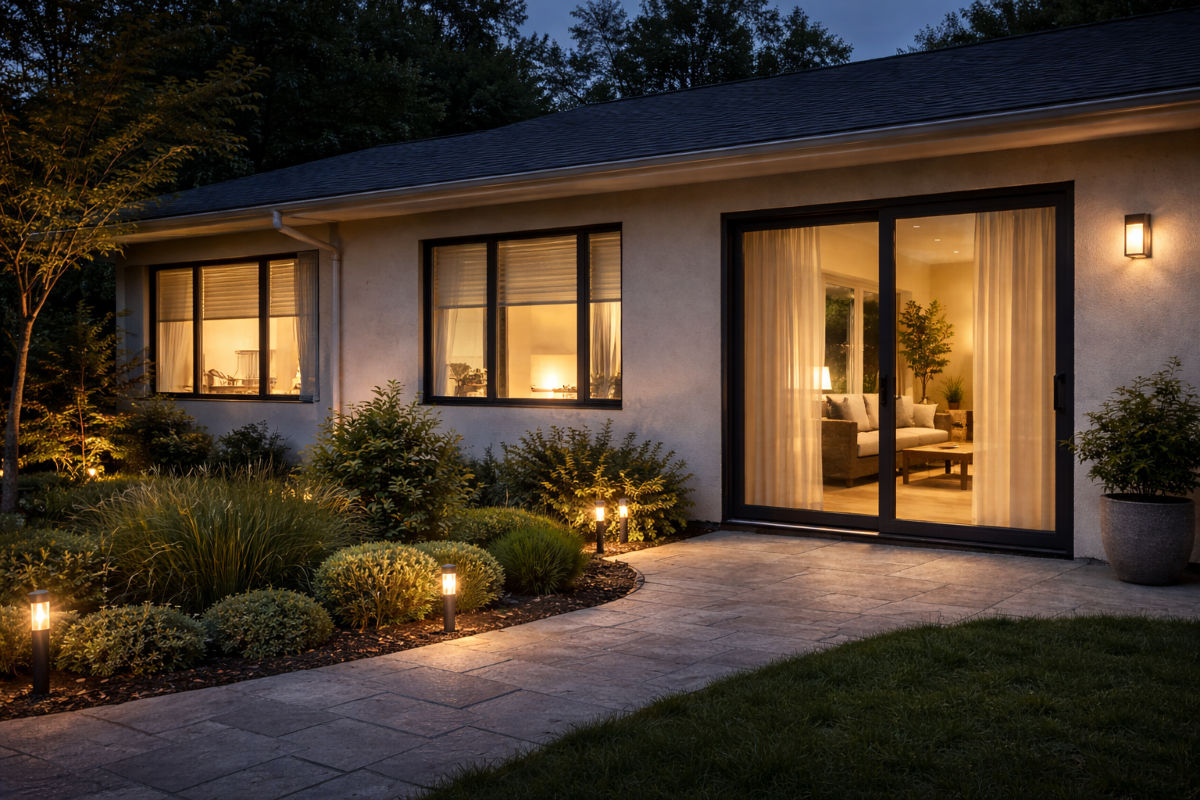
To provide a better understanding of Vacation safety: sliding Glass Doors & window risks, we find that there is one key fact to understand; Glass is often the weakest link in the chain of securing your home once you vacate it. Sliding Glass Doors, first floor windows and visible daily routines create the opportunity to target your home, regardless of whether your front door seems secure.
Your best bet is to strengthen the weaknesses you already have. In addition to addressing your sliding Glass door security, focus on developing good window habits and maintaining low visibility. The habits you develop will allow your home to remain more predictable and more difficult for potential burglars to target while you are away from your home.
Your daily routines during Vacation time will also change. Your mail will accumulate. Lights will remain unlit. Curtains will remain open. All of these elements can serve as indicators of your vacancy, and therefore are important factors to consider when developing a layered habit strategy.
This guide is designed to teach you what to evaluate prior to your departure, what to modify within a short period of time (minutes), and how to develop a structured plan that will assist you in protecting your home while minimizing both fear and unnecessary complexity.
Why do sliding Glass Doors pose a Vacation weak point?
Sliding Glass Doors are typical to areas such as patio’s, deck’s, and backyard’s, and are typically less accessible to passersby. As a result, these type of Doors are easily forgotten and easily approached.
Compared to most other types of entry Doors, sliding Doors contain more mechanical components. Tracks can wear, locks can deteriorate, and door alignment can shift. If the latch does not completely engage into its catch, the door may appear to be locked “but” may still feel somewhat insecure to press against.
Adding another level of Risk is the presence of Glass. The ability to see inside the home creates the ability for an individual to see what valuables or electronic equipment are present, and thus creates a faster failing point than a solid door. Therefore, do not think that sliding Glass Doors are inherently dangerous. Instead, give consideration to providing special attention to each sliding door prior to traveling.
As previously mentioned, a Vacation checklist should consider the sliding door(s) as the primary entry point, rather than a secondary detail.
What should be checked on sliding Glass Doors prior to leaving for Vacation?
first and foremost, begin with the fundamentals. The most effective ways to improve the security of your sliding Glass Doors are to ensure that the Doors operate properly.
Inspect the following items:
Lock engagement and door fit
Try Closing the door firmly and locking it. Make sure the latch securely fits into place without having to force it. If the lock feels loose or the door rattle’s when closed, the door is likely out of alignment.
Track condition
Clean the tracks thoroughly and eliminate debris. Dirty tracks could prevent the door from sealing properly and could also contribute to increased wear-and-tear on your door/latch assembly.
Visibility into the house
Look inside from outside. If you see valuables/electronics/daily activities within the house, adjust blind positions and move interior items to minimize visibility.
Functionality of Alarm/sensors
Test all Alarm/sensor systems prior to departure. Untested systems provide a false sense of security. Fix anything that seems suspect before you go. Most times, minor adjustments to a sliding Glass door are enough to improve its level of security.
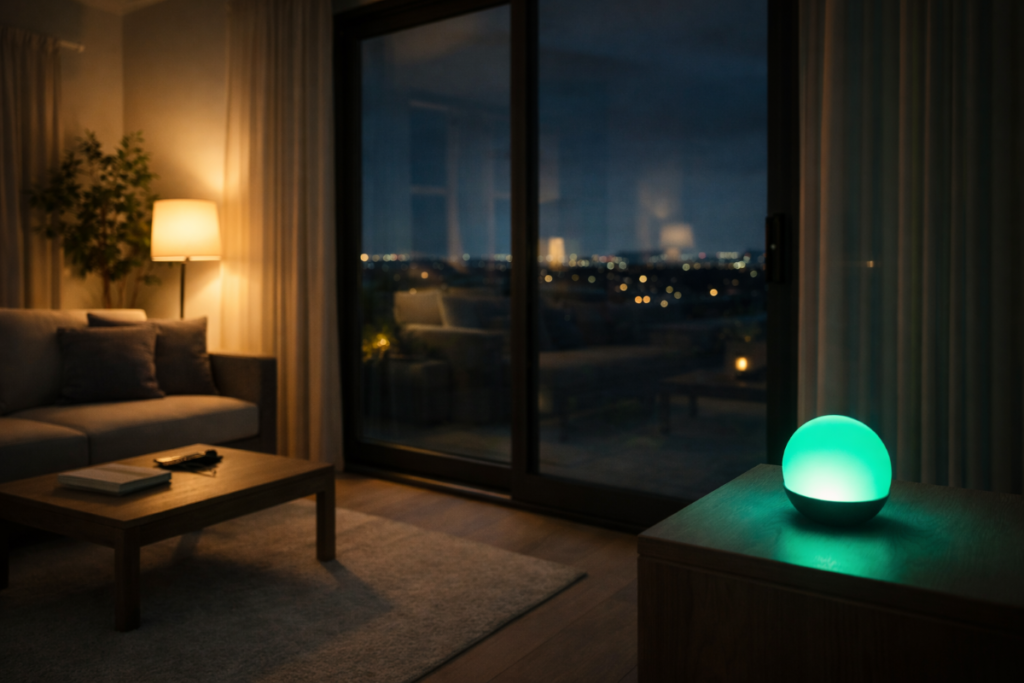
Window security routines while away
Similar to windows being slightly ajar for air circulation or assuming windows are “locked” due to them clicking shut when closed. Prior to Vacation, treat windows similar to entrances, particularly first-floor windows and any windows adjacent to Doors.
Concentrate on:
Consistency in locking routine
Create one methodical routine, lock windows in the same sequence each time. This eliminates potential errors caused by distracted packing.
Limited exposure
Draw blinds during evening hours, limit exposure of valuables. Changing lighting/curtain settings can dramatically decrease vulnerability in mere minutes.
Prioritize vulnerable rooms
Typically Bedrooms/offices/living areas display the greatest amount of valuable items through windows. Address these windows first.
Verify latches work properly
Some older window latches become loose. If a latch does not catch securely, it needs adjustment regardless of replacing the window.
If you prefer a framework to develop your pre-travel household plan for preparedness, Ready.gov offers a basic preparation outline that many Families find useful as a starting point.
Easy daily habits to enhance safety
Home safety increases when your home continues to give the illusion that it is occupied. You don’t have to create a schedule full of timing devices. Just adopt some repeating habits.
Helpful habits include:
Light routines
Use a timer on a few lights, or ask a trusted person to adjust lights occasionally. Avoid leaving every room dark every night.
Mail and deliveries
Hold mail or have someone pick it up. Avoid packages sitting at the door.
Trash and yard cues
If your area has visible bins or yard activity, a long pause can signal absence. Ask someone to bring bins in or check the exterior.
Social sharing boundaries
Avoid posting travel details in real time. Share after the trip when possible.
The goal is simple, reduce signals that the home is empty, and reinforce the entry points that matter most.
What Families Forget Most About Glass And Doors
Many households lock the front door and assume the job is done. Most missed risk comes from overlooked details that build up.
Common oversights include:
- Leaving a small window unlocked
- Leaving blinds open at night
- Forgetting garage to house entry security
- Assuming a sliding door “feels fine” without testing it
- Leaving spare keys in predictable places
All of these issues do not require costly repairs. Rather they require establishing a relatively simple system and creating a structured checklist. Establishing consistent procedures reduces your likelihood of forgetting some critical detail.
If you want additional home safety and burglary prevention guidance, the FBI shares general prevention and awareness information here.
FAQ
What Is The Biggest Vacation Risk With Sliding Glass Doors?
The biggest risk is treating the sliding door like a secondary entry. Sliding doors can have worn tracks or loose alignment that prevents the latch from fully engaging. A quick check of fit, lock engagement, and visibility into the home helps reduce risk.
Should I Leave Any Windows Open While I’m Away?
In most cases, no. Open windows can create access points and can also increase storm and weather risk. If ventilation is needed, use safer alternatives that do not compromise window security.
Do Curtains And Blinds Really Matter For Vacation Safety?
Yes. Visibility matters because glass shows routines and valuables. Simple privacy steps can reduce temptation and make the home feel less exposed when no one is there.
How Can I Make My Home Look Occupied Without Expensive Devices?
Use a few light timers, hold mail, and ask a trusted person to check the exterior. Small signals often matter more than complex devices because they reduce the appearance of absence. Ready.gov includes planning guidance that can help households organize routines.
Where Can I Find General Guidance On Home Safety And Preparedness?
For broader preparedness, Ready.gov is a credible starting point. For injury and hazard prevention, the CDC provides general safety and prevention resources.
Vacation Safety: Sliding Glass Doors & Window Risks
Vacation safety is stronger when you treat glass as a real entry point, not an afterthought. A secure sliding door, locked windows, reduced visibility, and simple “lived-in” habits can lower risk without making your home feel restrictive.
FlipLok believes reliable protection should feel clear, practical, and easy to trust. Contact us for more information and to learn more about our residential solution and how layered planning can support stronger home safety before you travel.
Contact Us
Don’t leave your home’s most vulnerable entry points to chance.
Before your next vacation, take the next step toward stronger protection for your home. FlipLok provides practical security solutions designed to help protect sliding glass doors and other vulnerable entry points.
Ready to strengthen your home security? Contact FlipLok today to learn more about our residential solutions and find the right protection for your home.