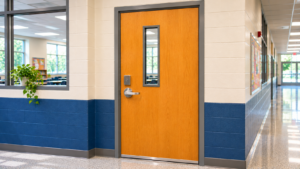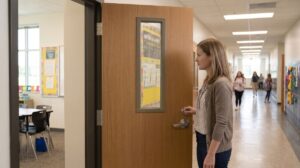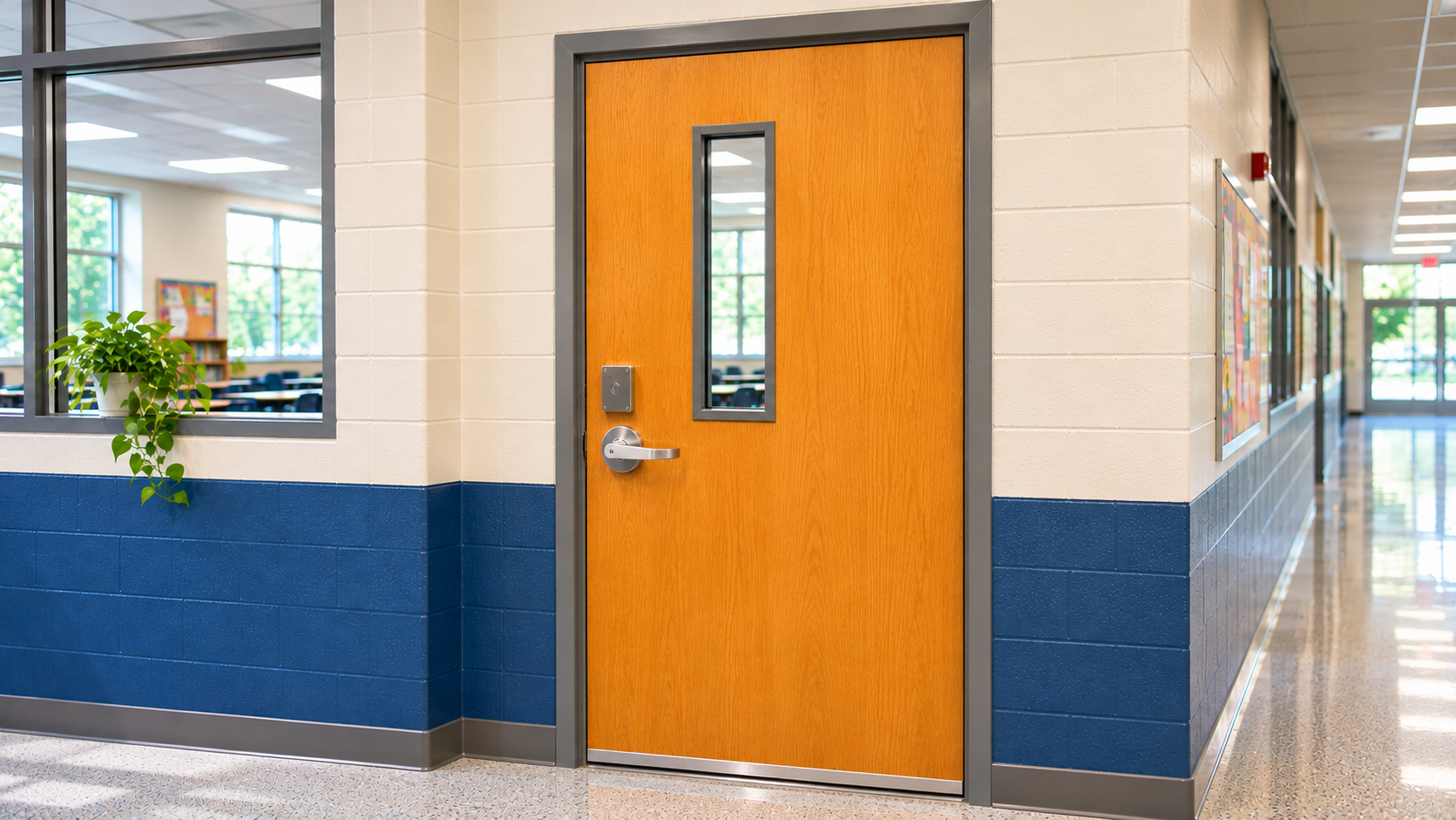
Common mistakes schools make when choosing locks often begin with focusing on individual locking devices rather than the complete classroom door system. A strong lock may provide limited protection if the door frame is damaged, the hardware is difficult to operate, or nearby glass creates another vulnerability.
Choosing classroom locks requires careful consideration of security, accessibility, compatibility, and everyday operation. Schools need solutions that teachers can activate quickly from inside the classroom without complicated procedures or unnecessary hesitation.
Avoiding common mistakes schools make when choosing locks also means understanding how different security components work together. Strong doors, dependable locking hardware, reinforced frames, and clear emergency procedures can provide more reliable protection when properly integrated.
The goal is not simply to purchase the strongest or most advanced lock available. It is to select hardware that supports safe operation, maintains required emergency exits, and works consistently under everyday conditions.
By understanding the most frequent purchasing mistakes, school administrators can make informed decisions that strengthen classroom security while maintaining welcoming and accessible learning environments.
What Are the Common Mistakes Schools Make When Choosing Locks?
One of the most common mistakes schools make when choosing locks is assuming that a high-strength locking mechanism automatically guarantees better classroom protection.
A lock is only one component of a complete door assembly. The surrounding frame, strike plate, hinges, door construction, and nearby glass can all affect how the opening performs during unauthorized entry attempts.
Schools should evaluate:
- Door construction
- Frame strength
- Strike plate anchoring
- Hinge condition
- Glass vulnerabilities
A dependable lock cannot compensate for severely weakened hardware or a damaged door frame.
The CISA K-12 School Security Guide recommends evaluating physical security through a layered approach that considers the entire school environment.
Reviewing these components helps schools avoid common mistakes schools make when choosing locks while identifying opportunities for practical security improvements.
For more information, explore hardening a classroom and the importance of strengthening the complete entry system.
Why Should Classroom Locks Be Simple to Operate?
One of the common mistakes schools make when choosing locks is selecting hardware without considering how easily teachers can operate it during emergencies.
Complicated locking mechanisms may require several steps, specialized equipment, or unfamiliar movements. These requirements can create unnecessary hesitation when teachers must respond quickly while maintaining responsibility for students.
Effective classroom locking systems should support:
- Simple interior locking
- Intuitive operation
- Accessible hardware
- Reliable engagement
- Consistent procedures
Teachers should be able to secure classroom doors without stepping into hallways or searching for additional equipment.
FlipLok provides a one-motion mechanical classroom locking solution that operates without electricity, batteries, or Wi-Fi. Its straightforward design helps reduce unnecessary locking steps while supporting dependable interior classroom security.
Understanding how ease of operation affects emergency readiness can help schools choose more practical solutions.
For additional guidance, read what teachers actually need during a lockdown.
Why Do Accessibility and Emergency Egress Matter?
Among the most serious common mistakes schools make when choosing locks is overlooking accessibility and emergency exit requirements.
Classroom security should prevent unauthorized entry without making evacuation more difficult for students, teachers, or emergency personnel.
Hardware that requires complicated release procedures, special tools, or excessive physical effort may create safety and compliance concerns.
The U.S. Access Board explains accessibility requirements for door hardware, including operation without tight grasping, pinching, or twisting of the wrist.
The National Fire Protection Association also provides guidance on permissible egress door locking arrangements.
Schools should confirm that selected hardware meets applicable fire, building, accessibility, and emergency access requirements before installation.
Consulting the local fire marshal or other responsible code authority can help prevent purchasing decisions that create costly compliance problems.
Reliable protection should always support safe and accessible operation.
How Do Compatibility and Installation Affect Classroom Security?
Another of the common mistakes schools make when choosing locks is assuming that the same locking hardware can be installed on every classroom door without evaluating compatibility.
School buildings often contain different door materials, frame configurations, swing directions, and existing hardware.
A lock that works well on one opening may require a different installation approach or may not be appropriate for another.
Before purchasing, schools should review:
- Door swing direction
- Door material
- Frame construction
- Existing hardware
- Fire door requirements
Installation methods also matter. Modifications to fire-rated door assemblies may affect compliance or their intended performance if not evaluated properly.
Schools should inspect existing doors and confirm product compatibility before purchasing hardware for multiple classrooms.
Proper planning can help prevent common mistakes schools make when choosing locks while reducing unnecessary installation changes and supporting dependable long-term performance.
Why Should Schools Consider Training and Maintenance?
The common mistakes schools make when choosing locks do not always end after purchasing and installing new hardware.
Even dependable security equipment requires proper maintenance, regular inspections, and staff familiarity to perform as intended.
Teachers should understand how to engage and release classroom locking mechanisms. Administrators should also ensure that substitute teachers and other authorized personnel receive appropriate instructions.
Routine maintenance should include:
- Checking door alignment
- Inspecting locking hardware
- Reviewing staff procedures
- Addressing damaged components
- Confirming emergency operation
The SchoolSafety.gov resource library provides guidance on emergency planning, physical security, and school preparedness.
Schools should also evaluate long-term operating costs, including inspections, replacement components, and maintenance requirements.
Choosing a locking solution is only the beginning. Consistent performance depends on making sure the complete classroom door system continues working correctly throughout its service life.
FAQ
What Is the Biggest Mistake Schools Make When Choosing Locks?
A major mistake is focusing on lock strength without evaluating the complete door assembly. Frames, hinges, strike areas, glass, accessibility, and emergency operation all influence the effectiveness of classroom security. Schools should assess how these components work together rather than selecting hardware based solely on strength claims.
Should Classroom Locks Be Operated From Inside?
Interior locking capability is important because it allows teachers to secure classrooms without entering hallways during emergencies. Schools should prioritize straightforward operation while preserving required emergency exits and authorized access. The selected hardware must also be compatible with the existing door assembly and applicable safety requirements.
Are Mechanical Classroom Locks Better Than Electronic Locks?
Both systems can support school security. Mechanical locks operate without electricity or network connectivity, while electronic systems may offer centralized access management. Schools should compare reliability, ease of operation, maintenance, installation requirements, and emergency procedures before deciding which system best fits their needs.
Why Should Schools Avoid Improvised Door Barricades?
Improvised barricades and incompatible aftermarket locking devices may interfere with emergency evacuation or authorized access. Some arrangements may also violate applicable building or fire codes. Schools should choose appropriately evaluated security hardware rather than assuming any device that prevents a door from opening is suitable for classroom protection.
How Can Schools Avoid Common Lock Selection Mistakes?
Schools can avoid common mistakes schools make when choosing locks by evaluating complete door systems, choosing intuitive hardware, confirming accessibility and emergency egress, and planning for installation and maintenance. Consulting qualified professionals and local code authorities before purchasing can help ensure that new security devices are appropriate for their intended use.
Avoiding Common Mistakes Schools Make When Choosing Locks
Preventing common mistakes schools make when choosing locks begins with understanding that classroom protection depends on more than locking strength. Reliable door construction, intuitive operation, accessible hardware, proper installation, and consistent maintenance all contribute to stronger physical security.
FlipLok supports school safety with a one-motion mechanical locking solution designed for straightforward interior operation without electricity or network connectivity.
Contact FlipLok to learn more about our school safety solution and how dependable classroom locking hardware can support safer learning environments.