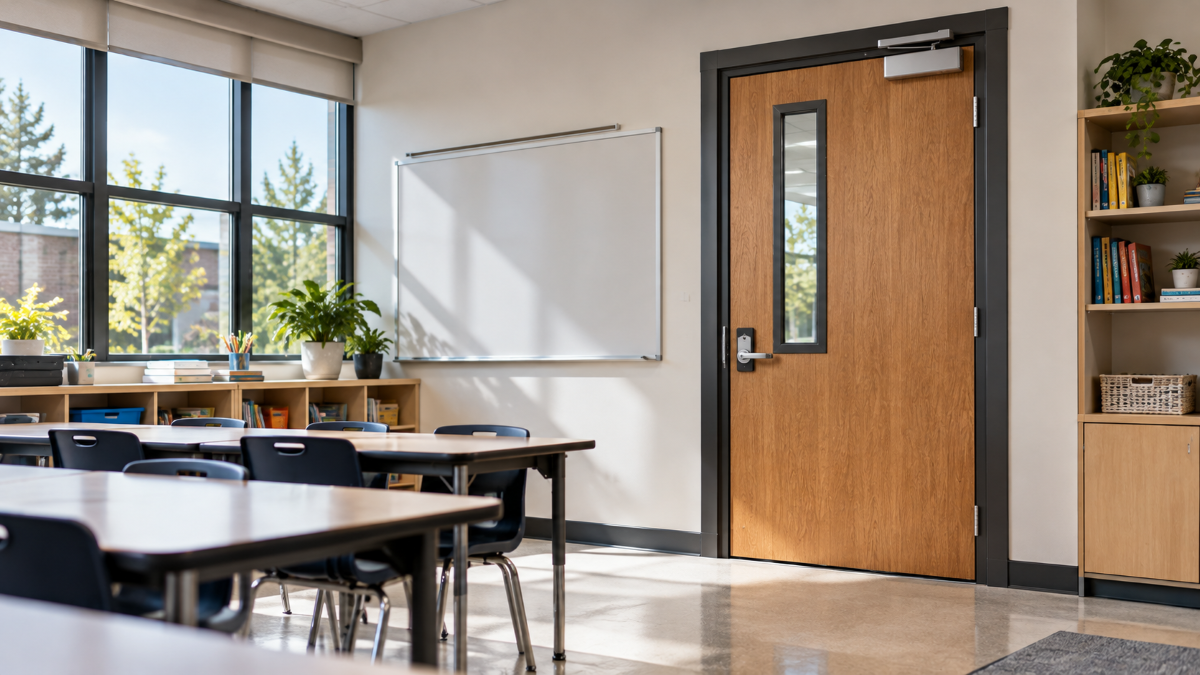
Hardening a classroom means reinforcing its physical environment. This enables teachers to rapidly secure their classroom, students to find refuge securely behind a durable barrier, and to give emergency responders additional time to respond. This is not about transforming a school into a “fortress”. This is about improving the reliability of the classroom door and frame; the operating efficiency of the locking hardware; and the strength of nearby Glass (in terms of being more resistant to impact).
Typically, the most successful approaches to harden a classroom will be the least complex. For example, a door that operates smoothly; a locking mechanism which can be activated from within the classroom; reinforcement at areas where the door’s integrity may be compromised (i.e., the door frame); and protective glazing around windows or Doors can create meaningful layers of security without significantly impacting daily operations in a school.
However, hardening a classroom must also take into account usability. If a security measure is overly burdensome to operate; requires excessive steps; or negatively impacts the ability of individuals to enter/exit the classroom, then it will likely create more problems than it solves.
Ultimately, the ideal is for a classroom to continue to feel inviting during normal times and transform into a more protective space during emergency situations.
What Does Hardening a Classroom Actually Mean?
Hardening a classroom means reducing physical vulnerabilities that could allow unauthorized entry. The focus is usually on the classroom perimeter, especially the door, frame, locking hardware, and glazing near the entrance.
Good hardening a classroom strategies do not rely on a single product. They combine several practical layers so one weakness does not undermine the entire room.
Schools should begin by asking:
- Does the door close fully?
- Can staff lock it inside?
- Is the frame secure?
- Is nearby glass vulnerable?
- Is operation simple?
These questions help identify the improvements that can have the greatest impact.
CISA’s K-12 School Security Guide encourages schools to evaluate physical security as part of a broader risk-management strategy, rather than relying on one measure alone.
Why The Classroom Door Comes First
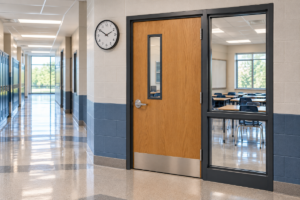
The classroom door is one of the most important physical barriers in an emergency. If the door cannot close, latch, and remain secured, other safety measures have less time to work.
This is why hardening a classroom should begin with the complete door system, not just the lock.
The door slab, frame, strike area, hinges, and hardware all work together. A strong locking device cannot compensate for a damaged frame, loose strike hardware, or a door that does not align correctly.
Interior locking capability is also important. Teachers should be able to secure the classroom without stepping into the hallway or managing a complicated sequence of actions.
FlipLok supports this type of approach with a one-motion mechanical locking solution that can be operated from inside the classroom without relying on power, Wi-Fi, or electronic connectivity.
This is a strong location to internally link classroom door security to your FlipLok commercial lock or school safety product page.
Why Simplicity Matters During Emergencies
Complicated systems can create hesitation. Under stress, people may have less time to remember multiple steps, locate special equipment, or troubleshoot technology.
A stronger hardening a classroom strategy reduces unnecessary decision making.
Security measures should be:
- Easy to understand
- Fast to operate
- Consistent across rooms
- Accessible to users
- Reliable without delay
Mechanical solutions can be valuable because they do not depend on a network connection or software response. Electronic systems can still play an important role in communication and awareness, but physical protection should remain dependable if technology is unavailable.
The goal is not to give teachers more responsibilities. It is to make the environment itself easier to secure so staff can focus on students and established procedures.
How Glass Protection Supports Classroom Hardening
Doors are not the only potential weak point. Vision panels, sidelights, and other glazing near classroom entrances may create another path toward interior hardware.
That makes glass protection an important part of hardening a classroom.
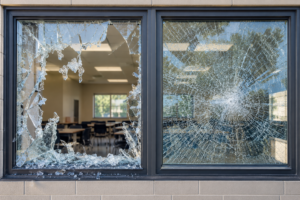
Security window film can help hold fractured glass together after impact. The glass may still break, but the film can reduce loose fragments and make it more difficult to immediately clear the opening.
For a deeper explanation, see how security film works during forced entry attempts and why film, glass, frames, and anchoring should be evaluated together.
The International Window Film Association notes that properly specified and installed security film can help retain broken glass and may slow forced entry when the system is designed appropriately.
Glass protection should complement strong doors and locks, not replace them.
How Frames, Hinges, And Hardware Affect Security
A classroom door is only as strong as the components supporting it. Frames, strikes, hinges, and fasteners all influence how the opening performs under force.
That is why hardening a classroom includes inspecting details that may not seem dramatic but can make a significant difference.
Schools should look for:
- Loose strike plates
- Frame movement
- Worn hinges
- Poor door alignment
- Damaged hardware
Maintenance is part of security. A door that once worked correctly can become harder to latch over time because of settling, wear, or repeated use.
Regular inspections can help identify these problems before an emergency occurs. Strong security does not always require major construction. Sometimes the first improvement is simply making sure existing hardware works exactly as intended.
Does Classroom Hardening Mean Turning Schools Into Fortresses?
No. Effective classroom hardening should support safety without changing the welcoming character of the learning environment.
Visible security bars, intimidating barriers, and complicated devices are not the only way to improve protection. Many upgrades can remain discreet during normal school activity.
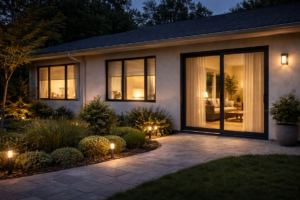
A well-planned classroom can still feel open, bright, and comfortable while incorporating stronger door systems, reliable interior locking, protected glazing, and better maintenance.
Accessibility should also remain part of every decision. The ADA Standards for Accessible Design provide requirements for accessible door hardware and operation, while applicable fire and building codes help ensure security measures do not interfere with safe egress.
The strongest solutions balance protection, usability, accessibility, and daily function.
FAQ
What Is The First Step In Hardening A Classroom?
Start with the classroom door. Confirm that it closes properly, latches completely, and can be secured from inside. Then evaluate the frame, strike area, hinges, and nearby glass for weaknesses.
Does Hardening A Classroom Require Expensive Technology?
No. Many high-impact improvements are mechanical and structural. Reliable interior locking, strong frames, maintained hardware, and protected glass can strengthen classrooms without relying entirely on electronic systems.
Is Security Film Part Of Classroom Hardening?
Yes, especially when glass near the door could provide access to interior hardware. Security film can help retain fractured glass and may increase the time required to create a usable opening.
Should Classroom Hardening Consider Accessibility?
Yes. Security improvements should remain usable by people with different abilities and should preserve required egress. Schools should review applicable ADA, fire, and building requirements before selecting hardware or security modifications.
Is One Lock Enough To Harden A Classroom?
No. Hardening a classroom is a layered process. Locks, doors, frames, hinges, glazing, maintenance, communication, and preparedness all work together. One strong component cannot fully compensate for a weak surrounding system.
What “Hardening a Classroom” Really Means
Hardening a classroom means creating a stronger, more dependable boundary without making the school feel intimidating or complicated. Reliable doors, simple interior locking, maintained frames and hardware, and protected glass can work together to create additional time for teachers and students to follow established safety procedures.
FlipLok supports this approach with a one-motion classroom locking solution designed for dependable operation without power or connectivity. Contact us to learn more about our school safety solution and how practical physical security can support safer classrooms.