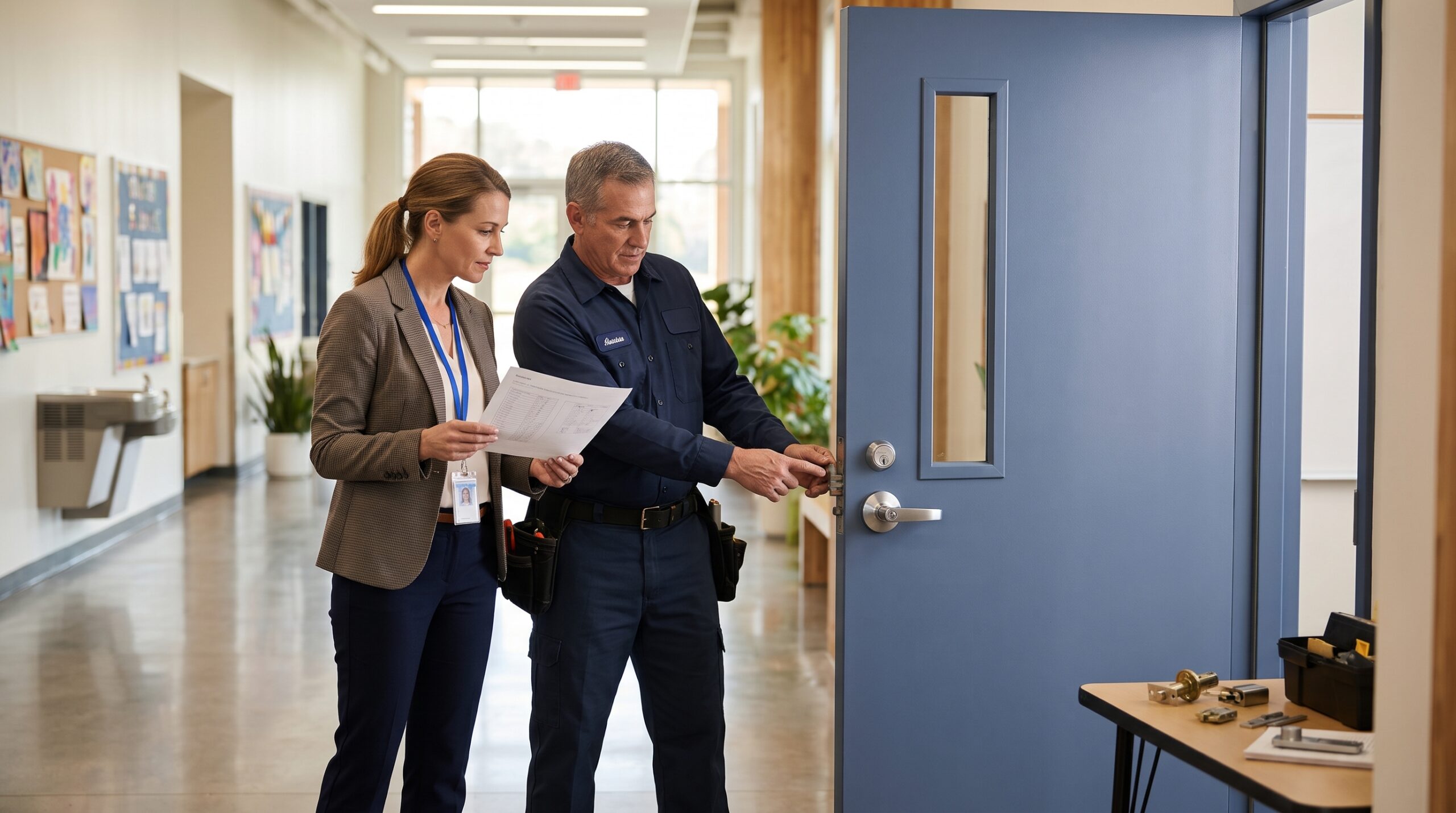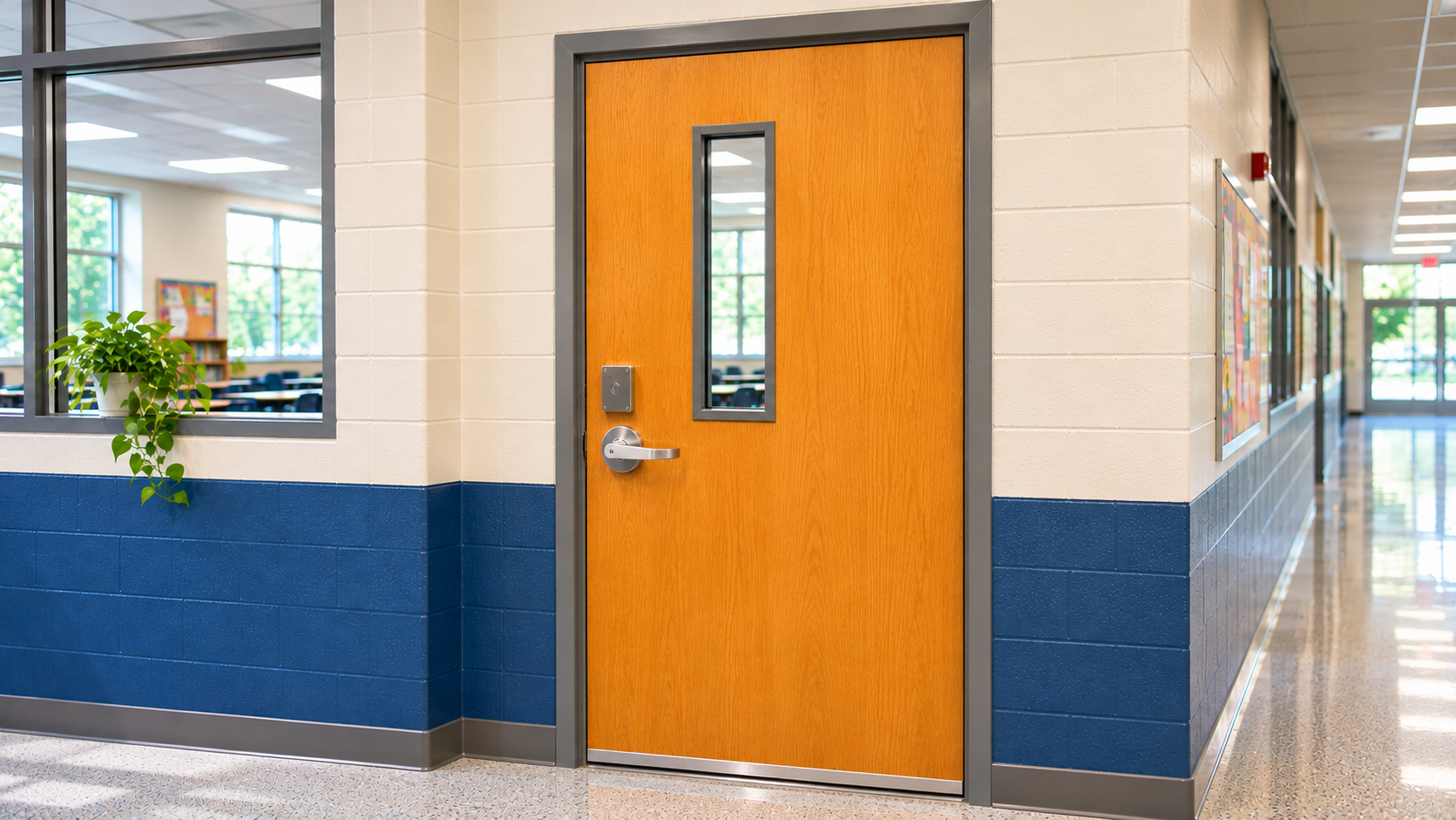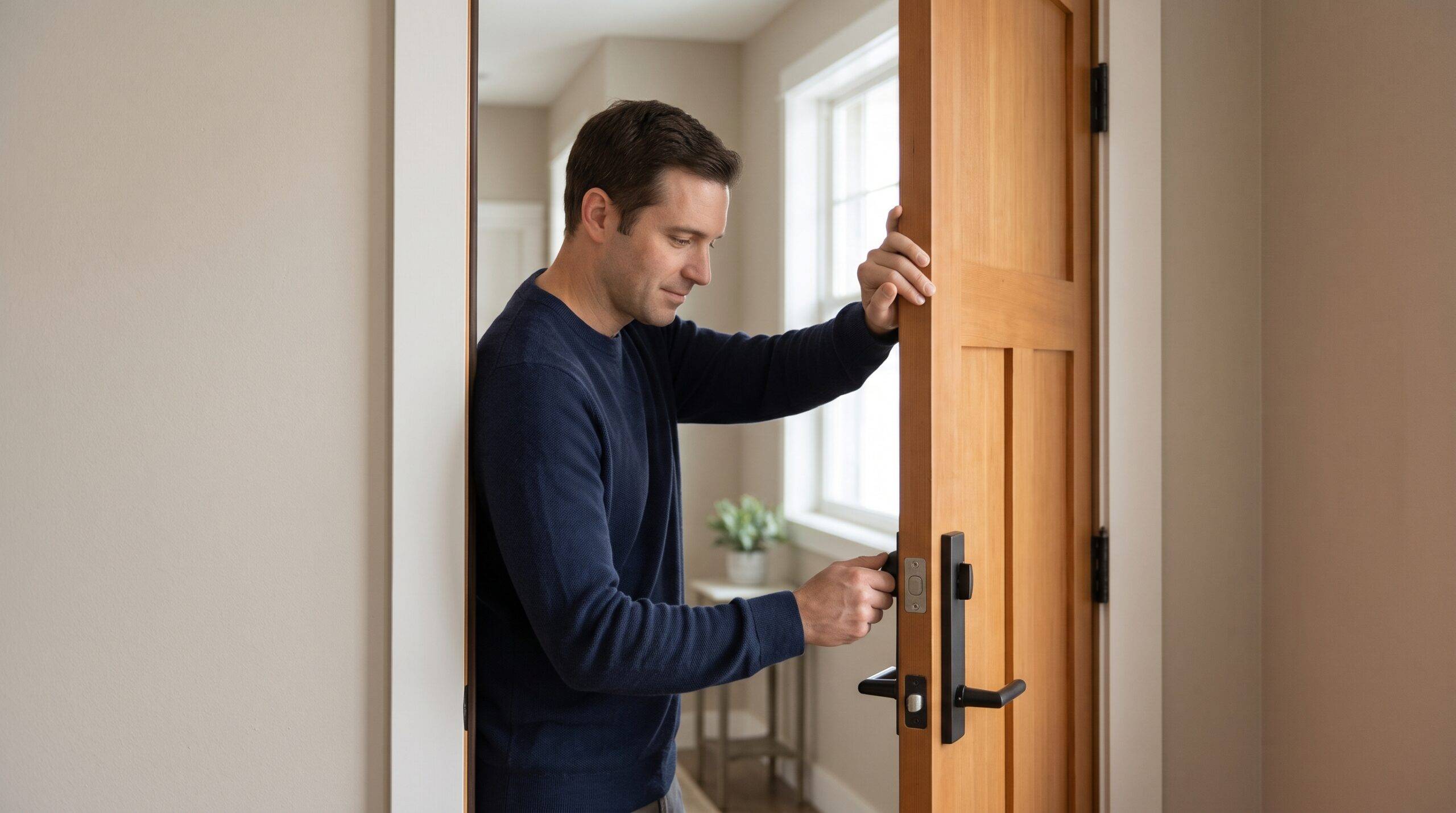
Home lock mistakes homeowners make often begin with assuming that installing a stronger lock automatically creates a safer home. However, even dependable locking hardware may offer limited protection when door frames are weakened, installation is incorrect, or daily security habits are inconsistent.
A home may have a quality deadbolt on the front door while the back entrance has loose hardware or accessible windows remain unsecured. These overlooked details can create gaps in an otherwise thoughtful security plan.
Effective residential protection requires more than purchasing expensive locks or adding complicated security features. Homeowners should consider door construction, hardware compatibility, emergency escape, and how easily family members can operate security devices.
Understanding common locking mistakes can help families make practical improvements without turning their homes into uncomfortable or complicated spaces.
The goal is straightforward: choose reliable security measures, maintain them properly, and establish simple routines that help protect the household while preserving everyday convenience and safety.
What Are the Most Common Home Lock Mistakes Homeowners Make?
One of the most common home lock mistakes homeowners make is focusing only on the locking mechanism while overlooking the door surrounding it.
A lock depends on the condition of the door, frame, hinges, and strike area. Damaged or poorly aligned components may undermine the protection provided by otherwise dependable hardware.
Homeowners should regularly check:
- Door frame stability
- Lock engagement
- Hinge condition
- Strike plate security
- Door alignment
The Police.uk home door security guidance recommends evaluating the strength of doors, frames, locks, and hinges together.
A residential door should close completely and engage its locking mechanism without excessive force or unusual movement.
If the frame is damaged or the lock does not engage properly, correcting those issues should come before adding more hardware.
Reliable protection starts with making sure the complete entry system works as intended.
Why Do Lock Compatibility and Installation Matter?
Choosing incompatible hardware is another of the home lock mistakes homeowners make when upgrading residential security.
Not every lock is designed for every door. Inward-opening and outward-opening doors may require different mounting arrangements, while wood, metal, and composite frames can have different installation requirements.
Before purchasing, homeowners should consider:
- Door swing direction
- Door and frame material
- Existing lock placement
- Manufacturer installation requirements
- Required emergency operation
Incorrect installation can prevent hardware from engaging properly or cause unnecessary damage.
A homeowner should follow the manufacturer’s instructions and seek qualified installation assistance when the door construction or hardware requirements are uncertain.
FlipLok offers residential locking solutions for compatible inward-opening and outward-opening doors, providing an additional mechanical security layer alongside existing locks.
For more guidance on evaluating entrances, explore our article on identifying safe rooms in your home.
Choosing the correct hardware helps maintain dependable operation without unnecessary modifications.
How Can Everyday Locking Habits Affect Home Security?
Even a strong locking system has limited value when it is not used consistently.
Forgetting to lock an exterior door, overlooking a patio entrance, or ignoring worn hardware are examples of home lock mistakes homeowners make during everyday routines.
A short security check before leaving or going to bed can help families maintain dependable protection.
Simple habits include:
- Check exterior doors
- Secure accessible windows
- Inspect damaged hardware
- Keep keys accessible
- Review family routines
Homeowners using smart locks should also understand battery requirements, software updates, backup access, and what happens when connectivity is interrupted.
The Federal Trade Commission advises checking how long manufacturers provide software updates for connected products.
Technology can improve convenience, but it should support rather than replace reliable physical security and consistent household habits.
A simple routine that everyone follows is more useful than complicated procedures that are frequently forgotten.
Why Should Home Locks Preserve Emergency Escape?
One of the most serious home lock mistakes homeowners make is adding security devices without considering how occupants will leave during an emergency.
A lock should strengthen protection against unauthorized entry without trapping family members inside during a fire or another situation requiring evacuation.
The U.S. Fire Administration recommends identifying two ways out of every room when possible, keeping exits unobstructed, and practicing a household fire escape plan.
Before installing additional locking hardware, homeowners should confirm that:
- Exit routes remain clear
- Locks operate correctly
- Occupants understand the release
- Children can follow escape plans
- Applicable requirements are met
Avoid security arrangements that require occupants to search for an unavailable key or complete unnecessarily complicated actions to escape.
Household members should practice opening doors through their normal emergency exit procedures.
Additional protection should always work alongside appropriate fire safety planning, not against it.
Why Does Layered Home Security Matter More Than One Lock?
Another example of home lock mistakes homeowners make is expecting one security product to address every potential point of entry.
A strong front door cannot compensate for a poorly secured sliding door, damaged back entrance, or accessible window with a faulty latch.
Layered home security considers multiple areas that work together to reduce avoidable vulnerabilities.
These include:
- Dependable exterior locks
- Strong door frames
- Secure accessible windows
- Appropriate exterior lighting
- Consistent household routines
The Police.uk door and window security guidance emphasizes securing entry points and properly using the locking systems already installed.
Security window film may also provide an additional layer for vulnerable glass by helping hold broken fragments together, although it does not make glass unbreakable.
Learn more in our articles on safety planning for ground-level windows and using security film at home.
The strongest approach combines dependable hardware with practical, manageable security habits.
FAQ
What Is the Biggest Mistake Homeowners Make With Door Locks?
A major mistake is evaluating the lock without checking the condition of the door and frame. A dependable lock needs compatible hardware, proper alignment, and a secure mounting area. Homeowners should inspect the complete entry system before deciding which components need replacement or reinforcement.
Should Every Exterior Door Have an Additional Lock?
Not necessarily. Additional locking hardware may provide another protective layer, but suitability depends on the door, existing security measures, household needs, and applicable safety requirements. Homeowners should prioritize functional primary locks and safe emergency escape before installing supplemental devices.
Are Smart Locks Safer Than Traditional Locks?
Smart locks can offer convenience, remote access features, and electronic management. Traditional mechanical locks operate without batteries or network connectivity. Neither category is automatically safer. Reliability, installation quality, physical construction, maintenance, and emergency operation are more useful considerations than technology alone.
How Often Should Homeowners Check Their Locks?
Homeowners should check that frequently used locks operate correctly as part of normal household routines. More detailed inspections are useful when hardware becomes loose, doors begin sticking, or the home undergoes repairs. Damaged or unreliable components should be addressed promptly.
How Can Homeowners Avoid Common Home Lock Mistakes?
Avoiding home lock mistakes homeowners make starts with inspecting all entry points, selecting compatible hardware, and maintaining clear exit routes. Homeowners should also establish consistent locking habits, understand how security devices operate, and consider door frames and windows as part of their overall protection strategy.
Home Lock Mistakes Homeowners Make: Build Better Protection
Avoiding home lock mistakes homeowners make begins with choosing dependable hardware, maintaining secure door assemblies, and preserving safe emergency exits. Strong residential protection comes from practical improvements that work together rather than relying on one device.
FlipLok offers residential mechanical locking solutions designed for straightforward interior operation and additional door security without batteries or electronic connectivity.
Contact FlipLok to learn more about our residential solution and how reliable door security can support a safer, more comfortable home.