Ground-level windows deserve special attention because they are easier to approach and reach than upper-level windows. Safety planning for ground level windows should focus on reducing easy access, improving visibility, and building simple household routines that make protection easier to maintain.
The goal is not to make a home feel closed off or intimidating. Effective safety planning for ground level windows can start with practical improvements such as dependable locks, clear sightlines, exterior lighting, privacy, and thoughtful landscaping.
Every window presents a different level of exposure. A front-facing window visible from the street may need a different approach than a basement window hidden behind shrubs or a sliding window near a patio.
A layered approach helps homeowners prioritize what matters most. By identifying the easiest windows to access and correcting simple vulnerabilities first, families can improve protection without immediately investing in expensive upgrades.
Why Is Safety Planning for Ground-Level Windows Important?
Ground level windows are naturally more accessible because someone can reach them without a ladder or special equipment. Windows beside patios, walkways, fences, or side yards may be particularly easy to approach.
Visibility also matters. Landscaping, privacy fences, storage areas, and architectural features can unintentionally create concealment around a window. A window hidden from neighbors or the street may deserve more attention than one located in an open, visible area.
Start by walking around the exterior of your home and looking at each window from the outside.
Consider:
- How easy is access?
- Is the window concealed?
- Does the lock work?
- Is nearby glass exposed?
- Can valuables be seen?
This quick review helps homeowners decide where improvements are most important. It also prevents unnecessary spending on windows that already have lower exposure.
How Can You Improve Window Access Control?
Access control starts with making sure windows operate as intended. A window that does not close completely or has a worn latch may need attention before any additional product is considered.
Open and close each accessible window. Confirm that it seats correctly in the frame and that the locking mechanism fully engages.
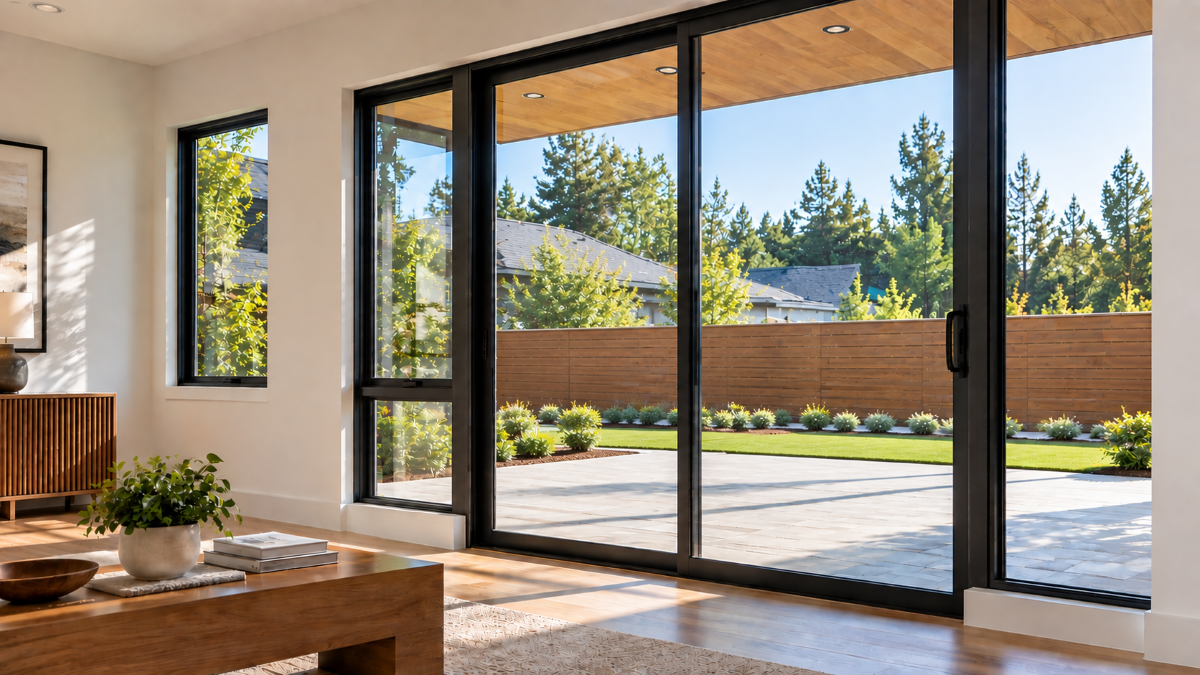
For sliding windows, check whether there is excessive movement after locking. Older tracks, worn hardware, or poor alignment may make the window easier to manipulate.
Additional window stops or compatible secondary locking devices may offer another layer, depending on the window design. Any device should be appropriate for the specific window and should not interfere with required emergency escape.
For homes with children, the U.S. Consumer Product Safety Commission recommends window guards or stops while making sure appropriate windows can still be used for emergency escape.
If children live in the home, window safety should also consider fall prevention. Window guards or stops may help limit openings where appropriate, particularly in children’s rooms.
Access control works best when the basic window itself is maintained first. Additional security measures cannot compensate for a window that does not close or lock properly.
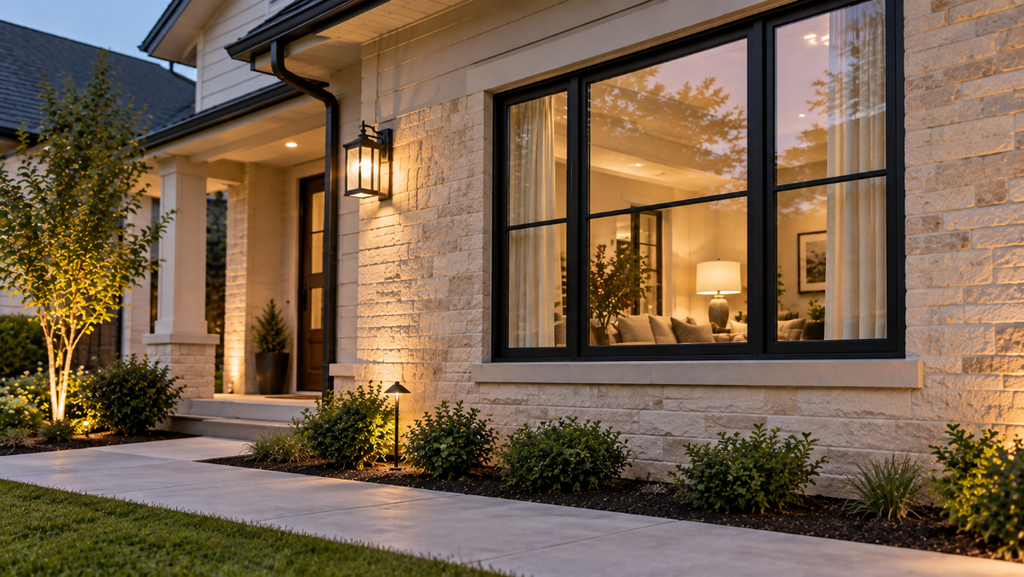
How Visibility Can Improve Ground Level Window Safety
A window that can be approached without being seen can present more risk than one surrounded by open sightlines.
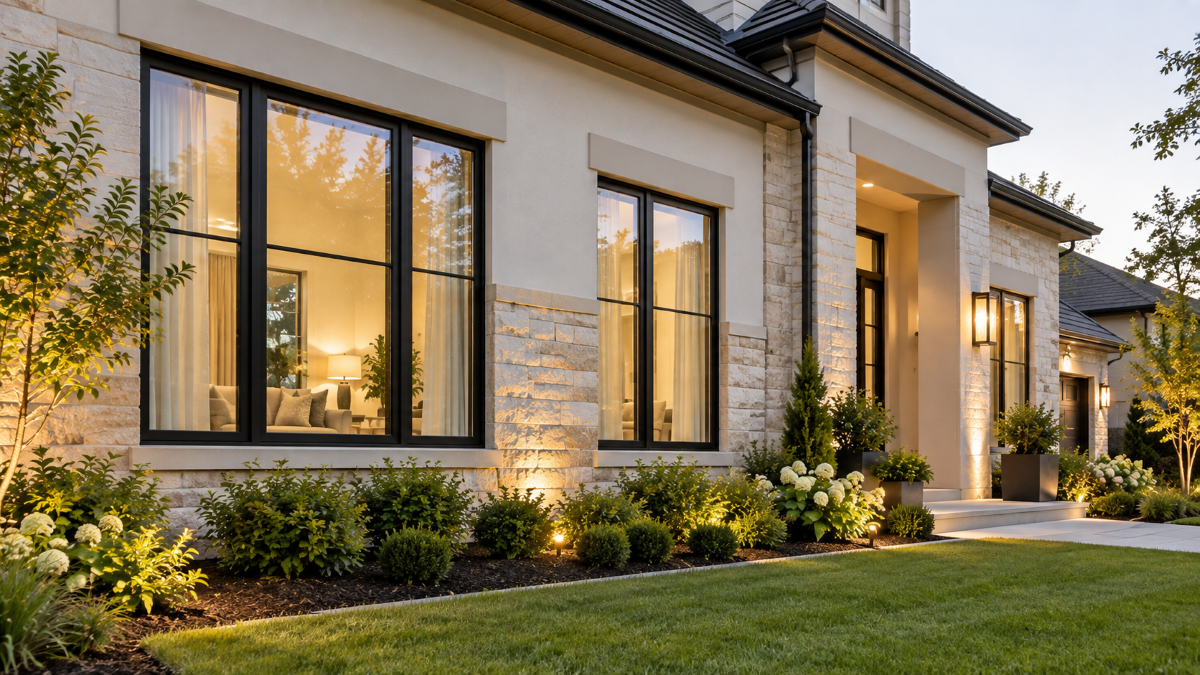
Keep shrubs and landscaping trimmed enough that windows remain visible from appropriate areas. This does not mean removing all privacy. The goal is to reduce large hiding places directly beside accessible glass.
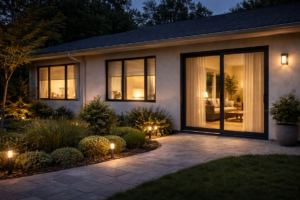
Exterior lighting can also improve awareness around windows. Motion-activated lighting near side yards, patios, and back entrances can illuminate areas that may otherwise remain dark.
Inside the home, think about what is visible after sunset. When interior lights are on, uncovered windows can reveal belongings and household routines much more clearly.
Simple privacy habits can help:
- Close blinds at night
- Use appropriate curtains
- Keep valuables away
- Reduce visible electronics
These steps cost little and can make ground level windows less attractive as access points.
Should You Consider Security Film For Ground Level Windows?
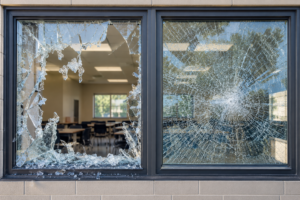
Security window film may provide another protective layer for accessible glass. It is designed to help fractured glass remain together after impact instead of immediately separating into loose pieces.
The International Window Film Association notes that the type of security film, installation method, and whether an attachment system is needed should all be considered when selecting a security glazing solution.
This does not make a window unbreakable. The glass can still crack.
The potential benefit is that retained glass may take additional time and effort to clear from the opening, particularly when the film is properly installed and paired with an appropriate attachment system.
Ground level windows can be logical candidates because they are easier to reach than upper-story glazing. Other priority areas may include sliding glass doors, sidelights beside exterior doors, and windows located in concealed portions of the property.
For a deeper explanation, see how security film works during forced entry attempts and why film, glass, frames, and anchoring need to be considered together.
Security film works best as one part of a broader strategy rather than as a replacement for functional locks, lighting, or good household routines.
How Simple Routines Reduce Window Security Gaps
Home safety often depends on what happens every day. Even strong hardware provides limited value if windows are regularly left open or unlocked.
A quick evening routine can make window security easier to maintain. Walk through the ground floor and confirm that windows that are not being used for ventilation are closed and secured.
Before leaving the home, include windows in the same routine used for checking exterior doors.
Simple habits might include:
- Lock windows nightly
- Check before leaving
- Close blinds after dark
- Keep pathways visible
- Report damaged hardware
Families do not need lengthy safety checklists. A short routine that actually gets repeated is usually more useful than a complicated plan that is forgotten.
If multiple people live in the home, keep expectations consistent so everyone knows which windows should remain closed and when.
How Ground Level Windows Fit Into Layered Home Safety
Windows should not be evaluated separately from the rest of the home.
A strong front door combined with a highly accessible, poorly secured window may still leave an unnecessary weakness. Similarly, upgraded window protection cannot compensate for doors that do not latch correctly.
Layered home protection considers the complete perimeter:
- Exterior doors
- Ground level windows
- Sliding glass doors
- Lighting
- Landscaping
- Household routines
Start with the easiest vulnerabilities to correct. Repair faulty locks, improve sightlines, and establish consistent routines before assuming expensive technology is necessary.
This approach keeps safety practical and manageable. It also allows homeowners to prioritize improvements over time rather than feeling like everything needs to be changed at once.
FAQ
What Is The First Step In Ground Level Window Safety?
Start by checking whether every accessible window closes and locks correctly. Then look at visibility, landscaping, lighting, and how easy the window is to approach. These observations can help identify which areas deserve attention first.
Should Ground Level Windows Always Stay Closed?
Not necessarily. Windows can still be used for normal ventilation, but homeowners should develop a habit of closing and locking accessible windows before leaving home or going to sleep. Consider using less accessible windows for ventilation when practical.
Does Privacy Film Provide Security?
Privacy film and security film serve different purposes. Privacy products primarily limit visibility, while security films are designed to improve glass retention after breakage. Homeowners should select products based on the actual goal.
Is Security Film Worth Using On Ground Level Windows?
It may be useful when accessible glass is a significant vulnerability. Film can help hold fractured glass together and may increase the effort needed to create an opening. It should complement, rather than replace, locks, lighting, and other protection.
How Can Renters Improve Ground Level Window Safety?
Renters can start with functioning locks, privacy habits, lighting where permitted, and keeping furniture or valuables away from vulnerable windows. Permanent hardware changes should be discussed with the landlord or property manager before installation.
Safety Planning for Ground Level Windows
Safety planning for ground level windows works best when homeowners focus on practical layers instead of complicated upgrades. Functional locks, clear sightlines, appropriate lighting, privacy habits, and optional glass protection can work together to reduce unnecessary vulnerability.
FlipLok believes residential protection should be dependable, practical, and easy to use every day. Contact us to learn more about our residential solution and how layered door and glass protection can help strengthen the most accessible areas of your home.