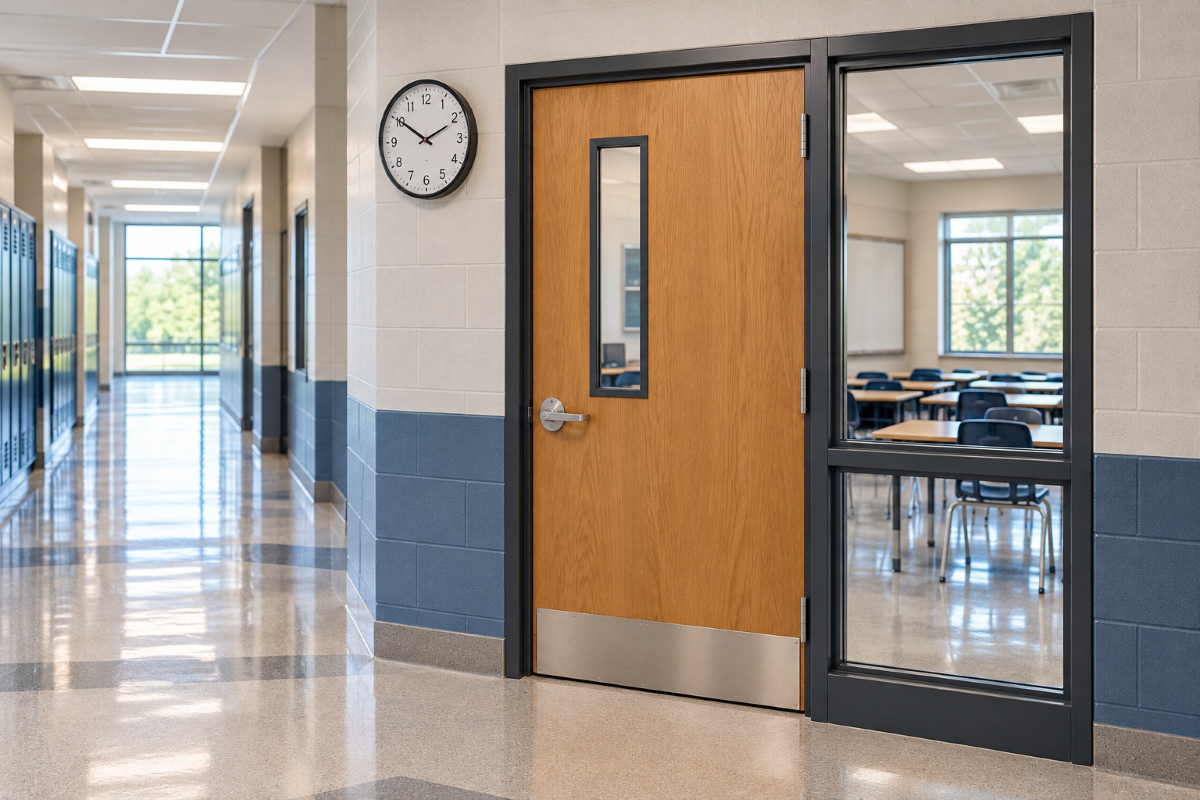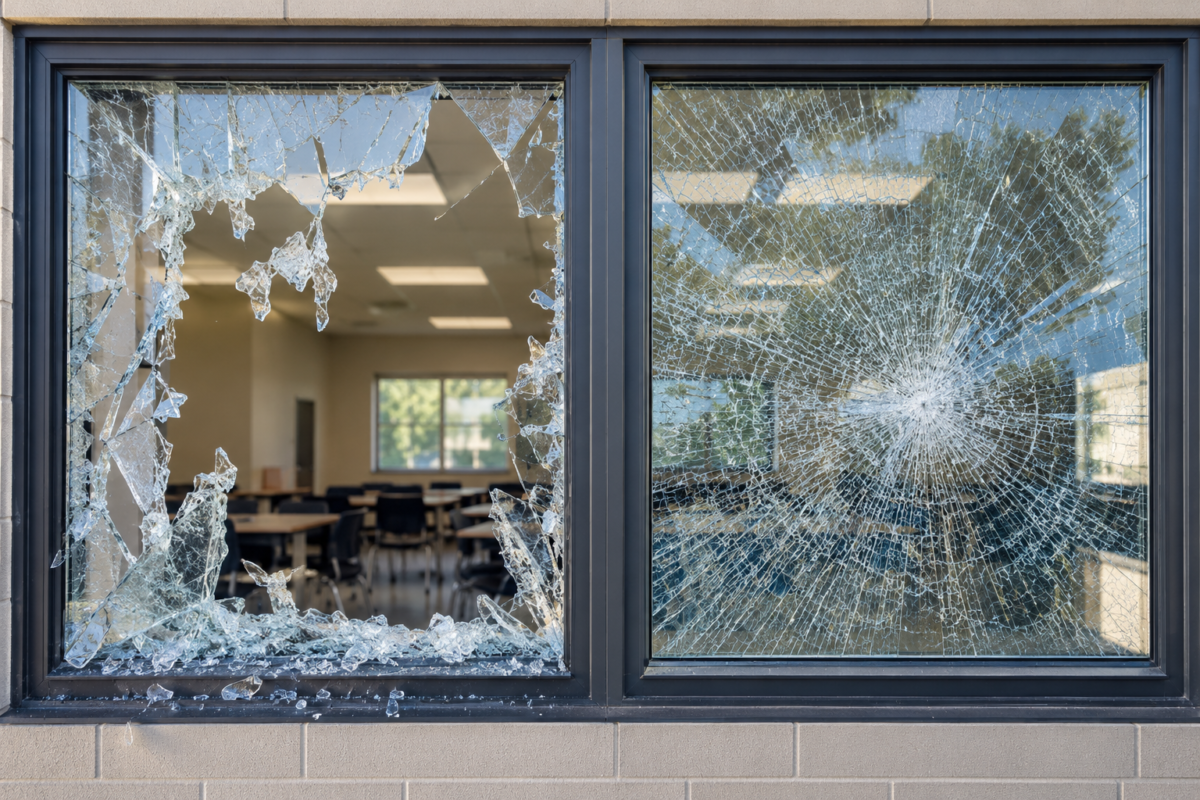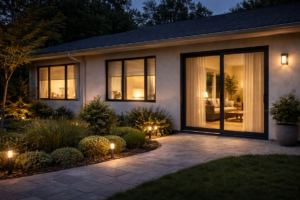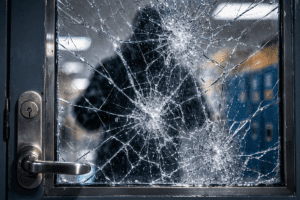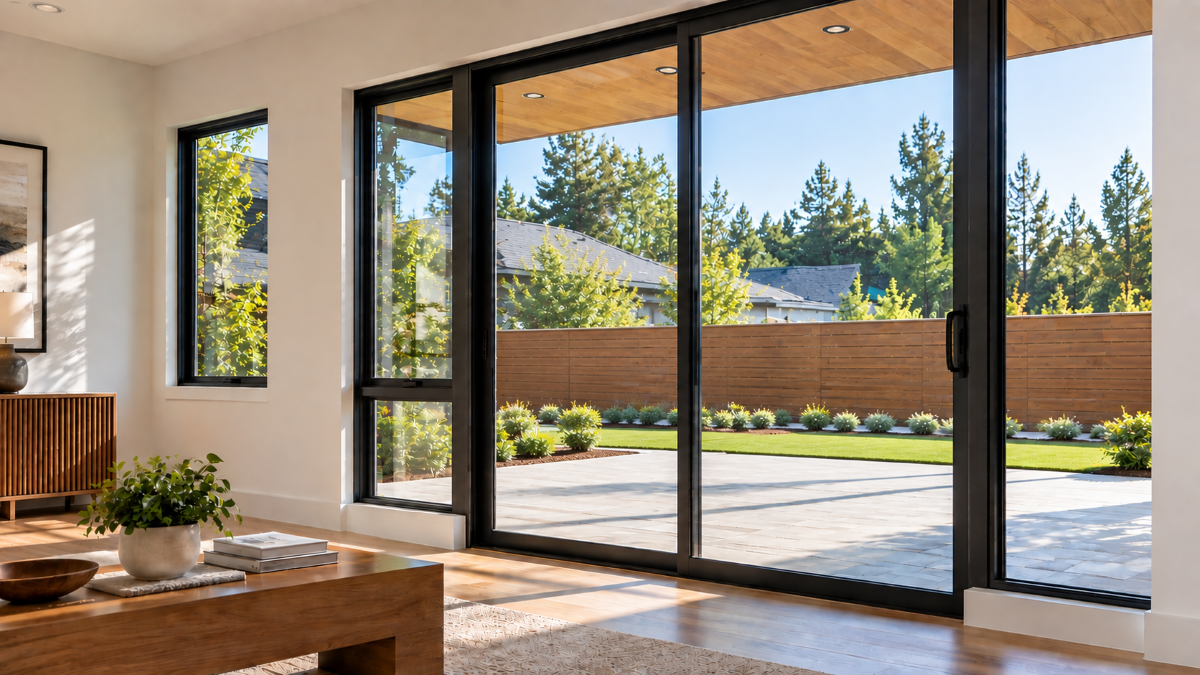
Using Security film at Home may provide a useful method of reinforcing vulnerable Glass (such as Glass doors or windows) without having to replace all of the Glass or replace every window or door.
The Security film is engineered to hold broken Glass fragments together after an initial impact. This can limit the amount of loose shards and make it slightly more difficult for someone to quickly clean up an opening.
Security film is not meant to serve as a primary deterrent for burglars. It is most effective as a supplemental component to a larger overall safety strategy.
According to The International Window Film Association, “properly specified, installed, and attached Security window film” may slow down a potential forced entry attempt by preventing broken Glass from falling out of the window frame. However, the association also warns that the success of the film will depend upon factors such as film quality, proper application and attachment methods. International window film association
Ultimately, whether you choose to apply Security film to some or all of the Glass surfaces of your Home will likely come down to what parts of your house are most vulnerable to attack.
Ground floor windows, sliding Glass doors, side lights next to entrance doors, and any other Glass that is easily accessed may warrant more consideration than second story windows. If you identify the correct sections of your house, applying film can add a new layer of protection without changing the aesthetic look of your house.
What Does Security Film Actually Do?
Security window film is a transparent material applied directly to existing glass. When the glass is struck hard enough to break, the film helps keep many of the fractured pieces bonded together instead of allowing them to immediately fall away.
That distinction is important. The film does not make ordinary glass unbreakable.
Its purpose is to change how the damaged glass behaves after impact. By keeping fractured glass together, a properly designed system may reduce flying fragments and make it harder to immediately create a clear opening.
3M describes its residential safety and security films as an additional layer of protection that can help hold broken glass together and, when used with an appropriate attachment system, potentially delay entry through glass doors and windows. 3M also clearly notes that window film does not stop intruders and is not bulletproof. 3M
That makes security film a delay and glass-retention measure rather than a guarantee against entry.
Where Does Security Film Help Most At Home?
Not every window presents the same level of risk. A better approach is to prioritize glass that is easy to reach, close to entry hardware, or located in a less visible part of the property.
Priority Areas May Include
- Sliding glass doors
- Front door sidelights
- Ground-level windows
- Patio doors
- Concealed side windows
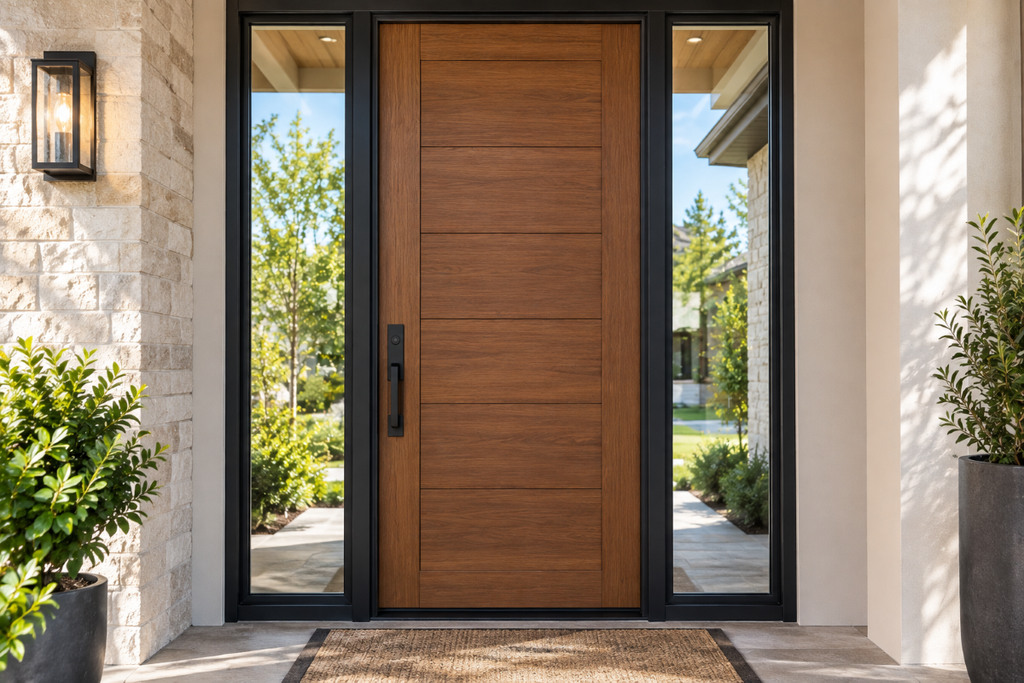
Sidelights beside a front door deserve particular attention because broken glass may provide access to nearby door hardware. Sliding glass doors can also represent a large, accessible glass surface at ground level.
Ground-floor bedroom or office windows may be another priority, especially when landscaping, fencing, or the home’s layout reduces visibility from the street.
This is where security film at home fits naturally into layered protection. Rather than treating every pane equally, homeowners can focus first on the glass that would be easiest to approach or access.
Does Security Film Make Your Windows Intruder Proof?
No. Security film should not be described as burglar proof, intruder proof, or impossible to penetrate.
Glass can still crack and eventually be breached. The benefit is that the broken pane may remain together longer, requiring additional effort to remove or penetrate.
The International Window Film Association specifically states that properly specified, installed, and attached security film can slow an intruder. It also emphasizes that film type, installation, and attachment systems must be matched to the intended application. International Window Film Association
This is why homeowners should be cautious about dramatic product claims.
A better question is not, “Can this make my window impossible to break?” Instead, ask, “Can this strengthen this vulnerable glass and support the other layers protecting my home?”
That creates more realistic expectations and a better safety plan.
To better understand how glass retention and delay work, see how security film works during forced entry attempts.
Why Installation And Anchoring Matter
The film itself is only one part of a security glazing system.
After an impact, glass may remain bonded to the film but still separate from the surrounding frame. An attachment system can help connect the filmed glass more securely to the frame so that the damaged glazing remains in the opening longer.
This is particularly important when forced-entry delay is the goal.
3M notes that its designated break-and-entry applications require its Impact Protection Attachment Sealant in combination with the appropriate safety and security film. 3M
Homeowners should therefore ask installers about more than film thickness.
Questions worth asking include:
- Is my glass compatible?
- Is anchoring recommended?
- What system is being installed?
- What testing supports it?
- Who performs installation?
Professional installation can also help ensure that the selected film matches the type of glass, frame, and intended use.
How Security Film Fits Into Layered Home Safety
Security film works best alongside other simple safety improvements rather than as a stand-alone solution.
Start with your doors. Make sure exterior doors close properly, locks engage completely, and frames are in good condition. Improve exterior visibility with appropriate lighting and keep shrubs or other landscaping from creating unnecessary blind spots.
Then evaluate accessible glass.
A practical layered plan might include:
- Strong exterior doors
- Reliable door locks
- Protected glass
- Exterior lighting
- Consistent lock-up routines
Preparedness matters too. Ready.gov encourages households to create plans for emergencies so family members understand communication, meeting locations, and other basic procedures before they are needed. Ready.gov
Physical improvements and simple routines support each other. One makes the property harder to access, while the other helps the household respond more confidently.
Is Security Film Right For Your Home?
Security film may be worth considering if your home has large areas of accessible glass, sliding doors, sidelights, or ground-level windows that are difficult to protect through other means.
It may also appeal to homeowners who want an additional protective layer without dramatically changing the appearance of their windows. Many security films are designed to remain relatively unobtrusive after installation. 3M markets residential security film as a nearly invisible layer for vulnerable windows and doors. 3M
However, the decision should be based on your home’s actual vulnerabilities.
Walk around the exterior during the day and again in the evening. Look at which windows are accessible, which are concealed, and which provide access near door hardware.
Prioritize those areas first instead of assuming every window needs the same treatment.
FAQ
Does Security Film Stop A Window From Breaking?
No. Glass protected with security film can still fracture. The film is designed to help keep broken fragments together rather than allowing them to immediately separate and scatter.
Can Security Film Help With Break-Ins?
It can help delay access through protected glass when the film and glazing system are properly specified and installed. IWFA states that properly installed and attached security window film can slow forced entry. International Window Film Association
Is Security Film The Same As Privacy Film?
No. Privacy films primarily change visibility through glass, while safety and security films are specifically designed to improve glass retention after breakage. Products should be chosen based on the intended purpose.
Should I Put Security Film On Every Window?
Not necessarily. Start with easily accessible or vulnerable glass, including ground-level windows, sliding doors, and sidelights near entry doors. A targeted approach may provide better value than treating every window equally.
Can Security Film Replace Good Door Locks?
No. Security film should complement doors, locks, lighting, and household routines. Strong home security depends on multiple layers working together rather than one product carrying the entire responsibility.
Should You Use Security Film at Home?
Security film at home can be a valuable additional layer when accessible glass is one of the weaker points in your property. Its greatest benefit is helping fractured glass remain together and potentially increasing the time and effort required to create an opening.
The strongest approach combines protected glass with dependable doors, locks, lighting, and simple family routines. Contact FlipLok to learn more about our residential solution and how layered protection can help strengthen vulnerable entry points throughout your home.