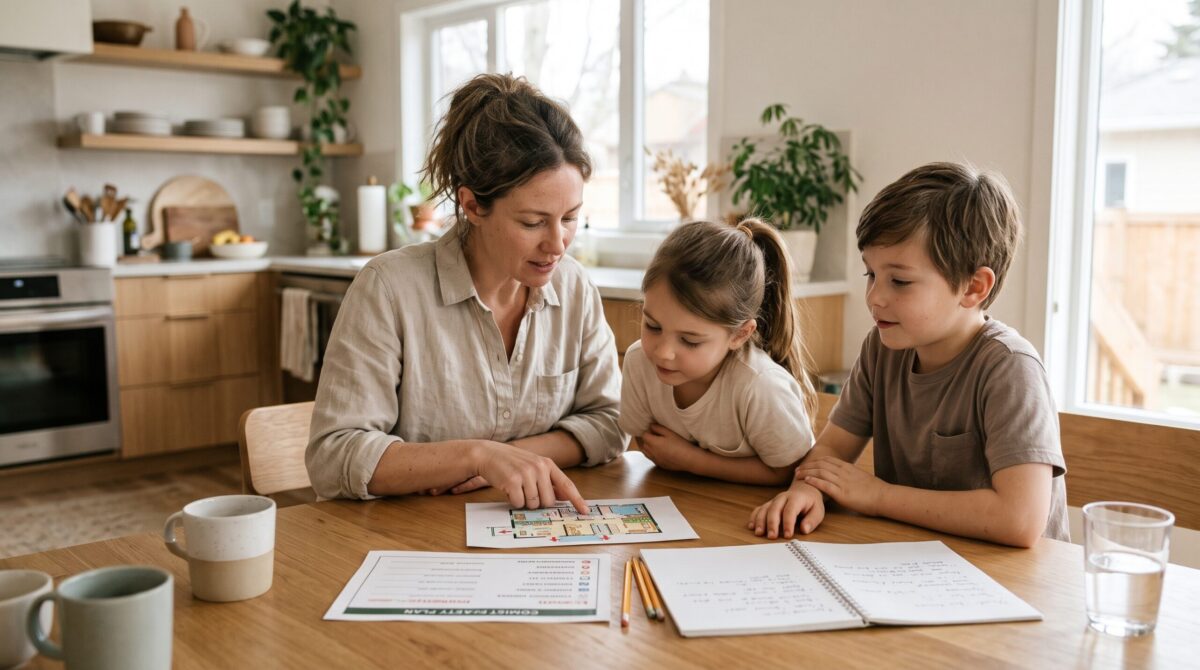
Teaching kids simple safety rules starts with making safety easy to understand, remember, and practice. Children do not need complicated instructions or frightening explanations to learn how to respond to unfamiliar situations. They need clear guidance, consistent routines, and reassurance that trusted adults are there to help.
From understanding school drills to basic household safety habits, children benefit from applying what they have learned in their daily lives. Shorter instructional messages are generally more memorable than longer descriptions; especially when something unforeseen occurs.
The goal of teaching kids simple safety rules is not to make children constantly worry about danger. It is to help them recognize appropriate actions, ask for help, and follow familiar procedures with confidence.
Parents and teachers can reinforce these lessons through calm conversations, simple examples, and consistent modeling. When safety becomes part of everyday routines, children develop useful habits without feeling overwhelmed or responsible for managing emergencies themselves.
Why Is Teaching Kids Simple Safety Rules Important?
Teaching kids simple safety rules helps children understand what to do when they encounter unfamiliar situations or need guidance from adults.
Children are still developing their ability to process information and respond to unexpected circumstances. Clear instructions make safety expectations easier to understand without requiring them to remember complicated procedures.
Simple lessons might include:
- Stay with trusted adults
- Listen to instructions
- Ask for help
- Know where to meet
- Follow the safety plan
These expectations can apply at home, at school, and during family outings.
The most important message is that children do not have to manage emergencies themselves. Adults are responsible for maintaining safety measures, creating appropriate plans, and providing direction.
The American Academy of Pediatrics provides guidance on discussing emergencies with children using simple, age-appropriate explanations.
By teaching kids simple safety rules consistently, parents can make preparedness feel familiar rather than frightening.
What Safety Rules Are Easiest for Kids to Remember?
The easiest safety rules are short, specific, and connected to familiar situations. Instead of presenting children with long checklists, parents can introduce a few expectations that are easy to understand and repeat.
Teaching kids simple safety rules works best when each rule focuses on one clear action.
Start With Everyday Situations
Children can learn to stay close to their caregivers in public, identify trusted adults when they need assistance, and ask permission before opening an exterior door.
At school, children should understand that teachers and staff provide instructions during drills and unexpected situations.
Parents can reinforce memorable reminders:
- Stop and listen
- Stay with your group
- Ask an adult
- Follow the plan
Different emergencies require different responses. For example, a home fire may require evacuation, while severe weather may require moving to an appropriate shelter location.
Teaching kids simple safety rules through familiar situations helps children recognize what actions are appropriate without expecting them to make complicated safety decisions independently.
How Can Parents Teach Safety Without Creating Fear?
Children often observe adult reactions before fully understanding what is happening. A calm voice and reassuring explanation can make safety conversations feel more manageable.
When teaching kids simple safety rules, focus on what children should do rather than describing frightening possibilities.
Instead of saying, “Something dangerous could happen,” explain, “We practice so everyone knows what to do.”
This approach gives the lesson a practical purpose and helps children understand that preparedness is a normal part of everyday life.
Parents can also model responsible behavior by checking door locks, keeping emergency contacts organized, and reviewing family safety plans without dramatic warnings.
The American Academy of Pediatrics’ family preparedness guidance encourages involving children in appropriate preparedness activities.
For additional guidance, explore our article on how to talk to kids about safety calmly.
The goal of teaching kids simple safety rules without fear is to help children finish each conversation feeling supported, informed, and confident.
How Can Families Practice Simple Safety Rules at Home?
Short practice sessions help children become familiar with important actions without turning preparedness into a stressful activity.
Teaching kids simple safety rules through repetition connects instructions with everyday household routines, making them easier to recognize and remember.
Families might practice:
- Finding emergency exits
- Remembering meeting locations
- Recognizing smoke alarms
- Identifying trusted adults
- Locating emergency contacts
Fire safety is especially important because children need to understand when to leave the home rather than remain inside.
The U.S. Fire Administration recommends creating a home fire escape plan and practicing it at least twice a year.
Parents should explain that nobody should reenter a burning home and that a designated outdoor meeting location helps everyone reconnect safely.
Other emergencies may require sheltering instead of evacuating, so families should review different situations separately.
For more ideas, explore our guide on practicing emergency responses at home.
Consistent practice makes teaching kids simple safety rules more effective because children learn through familiar actions rather than frightening explanations.
How Can Schools Reinforce Simple Safety Rules?
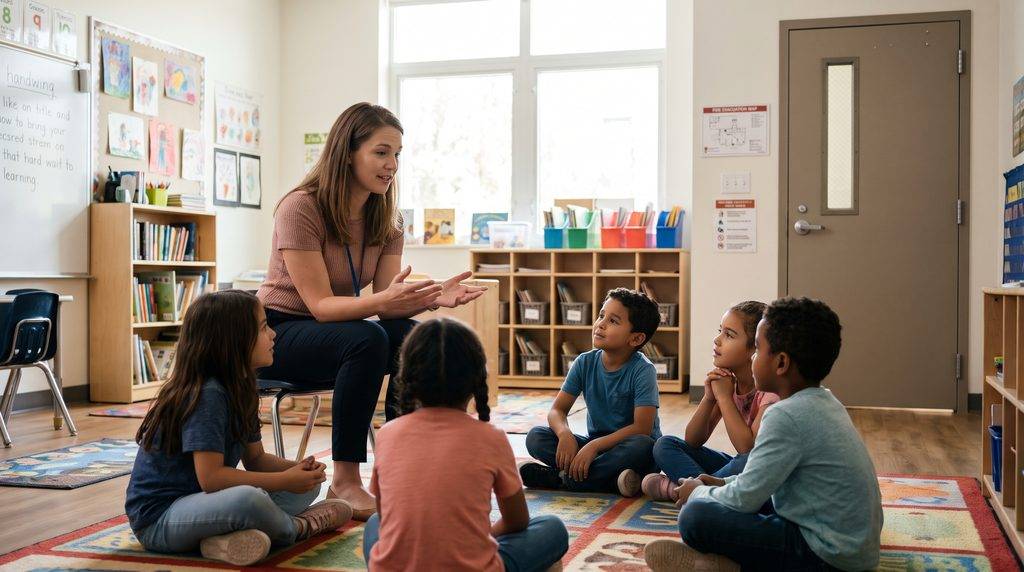
Schools can reinforce safety lessons through consistent language, familiar procedures, and dependable classroom security systems.
Teachers should provide age-appropriate instructions that explain what students need to do without introducing unnecessary frightening details.
A simple school routine may involve staying with the class, listening to the teacher, and following established directions.
Teaching kids simple safety rules becomes more effective when families and educators reinforce the same expectations.
The American Academy of Pediatrics’ school safety guidance offers information to help families understand school safety procedures and discuss emergencies with children.
Physical security also supports these routines. Dependable classroom doors and intuitive locking systems can help teachers secure classrooms while maintaining attention on students.
FlipLok provides a one-motion mechanical classroom locking solution designed for quick interior operation without electricity or network connectivity.
When schools combine reliable safety measures with teaching kids simple safety rules, educators can focus on managing classroom protection while students concentrate on following clear instructions.
FAQ
What Are the Most Important Safety Rules for Young Children?
Young children should know how to stay with trusted adults, ask for help, recognize basic safety instructions, and follow familiar household or classroom procedures.
Teaching kids simple safety rules should begin with situations they understand. Introduce expectations gradually, use short explanations, and remind children that adults are responsible for handling emergencies.
How Often Should Parents Review Safety Rules?
Brief reminders during everyday activities can help maintain familiarity. Families should also review their plans when routines change, children grow, or they begin attending a new school.
The U.S. Fire Administration recommends practicing home fire escape plans at least twice a year. Other safety lessons can be reinforced through calm, occasional conversations.
Should Kids Learn Safety Rules Through Games?
Yes. Age-appropriate activities can make learning more engaging and memorable.
Parents might practice identifying trusted adults, drawing a simple home escape map, or remembering an outdoor meeting location. Activities should remain calm and educational, without frightening simulations or suggesting that children must manage emergencies independently.
How Do You Explain School Safety Rules Without Scaring Kids?
Use simple explanations that focus on trusted adults and familiar routines. Explain that teachers practice procedures so students know what to do.
When teaching kids simple safety rules for school, avoid unnecessary frightening details. Give children opportunities to ask questions and reassure them that teachers and staff have responsibilities and safety plans in place.
Why Is Teaching Kids Simple Safety Rules Better Than Complicated Instructions?
Teaching kids simple safety rules makes expectations easier to understand, practice, and remember.
A short instruction connected to a familiar routine may be easier to recall than several unfamiliar steps. However, children should still understand that different emergencies require different responses and that trusted adults will provide guidance when needed.
Teaching Kids Simple Safety Rules They’ll Remember
Teaching kids simple safety rules helps families and schools build confidence through clear communication, familiar routines, and age-appropriate preparation. When instructions are practical and consistent, children can develop useful safety habits without unnecessary fear.
FlipLok believes dependable classroom protection should support teachers and students through simple, reliable physical security. Our one-motion mechanical locking solution is designed to help educators secure classroom doors quickly.
Contact FlipLok to learn more about our school safety solution and how practical security measures can support safer learning environments.