When Children (and Adults) think about potential disasters, they worry. And when disaster strikes, their minds go blank. But with some careful thinking — and planning — you can help Children develop “Preparedness without Fear” skills.
There’s a big difference between preparing for a potential disaster and creating an atmosphere of Fear. Preparedness without Fear means giving Children the knowledge, skills and support they need to feel safe and confident. This approach doesn’t mean eliminating all risks, but reducing confusion when something unexpected happens. With a calm and organized approach, Children will be more likely to remain calm when faced with an emergency.
To achieve a healthy safety culture, Schools and families must adopt Preparedness without Fear. This approach empowers awareness and readiness, yet maintains a focus on building confidence through regular routines and practical protection.
What Does Preparedness Without Fear Mean?
Preparedness without fear means teaching people how to respond without making danger the center of the conversation. The emphasis stays on simple actions, trusted adults, dependable tools, and routines that feel familiar.
For children, that might mean knowing who to listen to, where to go, and what to do first. For adults, it might mean making sure doors lock correctly, communication plans are clear, and emergency information is easy to find.
Good preparedness without fear also avoids unrealistic promises. No one can guarantee that an emergency will never happen. What families and schools can do is make sure people have clear plans and reliable systems if something unexpected occurs.
Preparedness should feel similar to learning a fire drill, fastening a seatbelt, or knowing an emergency contact. It is normal, practical, and meant to reduce uncertainty.
Why Fear Based Safety Messaging Can Backfire
Fear gets attention, but it does not always create better habits. When safety messaging is too intense, people may become anxious, tune it out, or avoid the subject altogether.
Children can be especially sensitive to tone. They often notice adult anxiety before they fully understand the words being used. If safety conversations sound frightening, kids may associate preparation with danger rather than confidence.
That is why preparedness without fear focuses on what people can do instead of everything that could go wrong.
In schools, this also means avoiding a hero narrative for teachers. Teachers should not be expected to improvise or take unnecessary risks. The physical environment, procedures, and safety tools should support them.
SchoolSafety.gov provides resources that help schools build comprehensive safety plans around preparedness, prevention, protection, and response. These kinds of frameworks support a calmer, more structured approach to school safety.
How Calm Routines Build Confidence
Routines reduce decision making. When a person already knows the first step, there is less hesitation during a stressful moment.
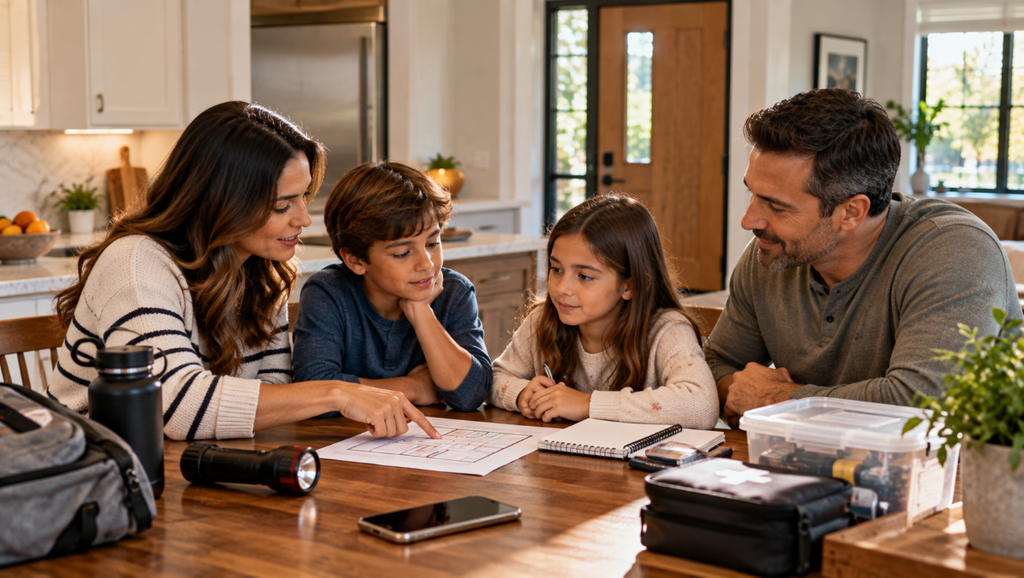
For families, this could mean checking doors each evening, keeping emergency contacts in one place, knowing where to meet, or reviewing a simple communication plan a few times each year.
For schools, it may include consistent classroom procedures, clear communication, and safety tools that operate the same way every time.
Examples of calm routines include:
- Lock doors nightly
- Keep contacts updated
- Practice meeting locations
- Review first steps
- Keep pathways clear
The important part is consistency. Preparedness without fear works because the routine becomes familiar before it is ever needed.
Ready.gov encourages households to create emergency plans that include communication, meeting locations, and other basic preparedness steps. That type of planning can be done calmly and without making emergencies the focus of everyday life.
Why Simple Safety Tools Matter
A good safety tool should make response easier, not more complicated.
During stress, people may have less time to remember multiple steps, locate special equipment, or troubleshoot a system. Tools that are simple and predictable can reduce that uncertainty.
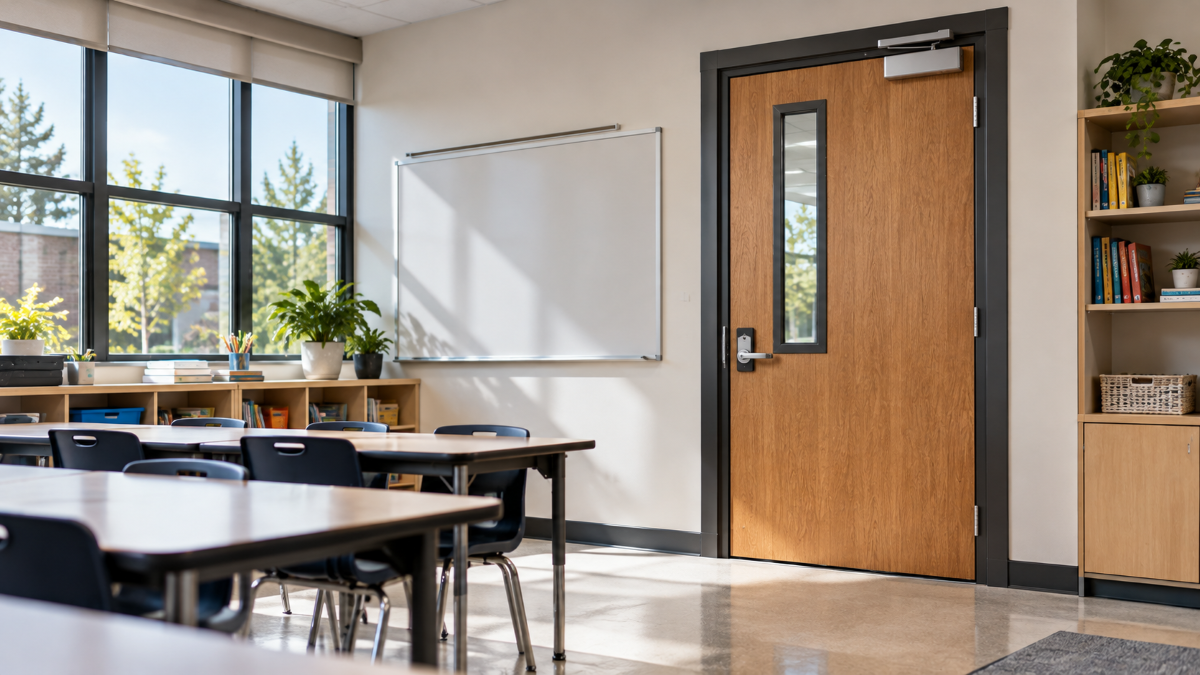
In classrooms, this is particularly important at the door. Teachers should be able to secure the room quickly from inside without stepping into the hallway or relying on a complex sequence.
FlipLok supports this approach with a one-motion mechanical locking solution designed to work without power, Wi-Fi, or electronic connectivity. Simplicity matters because it helps reduce hesitation and allows teachers to focus on students.
At home, the same principle applies. Reliable locks, good lighting, secure windows, and clear routines are usually more useful than complicated systems nobody remembers how to operate.
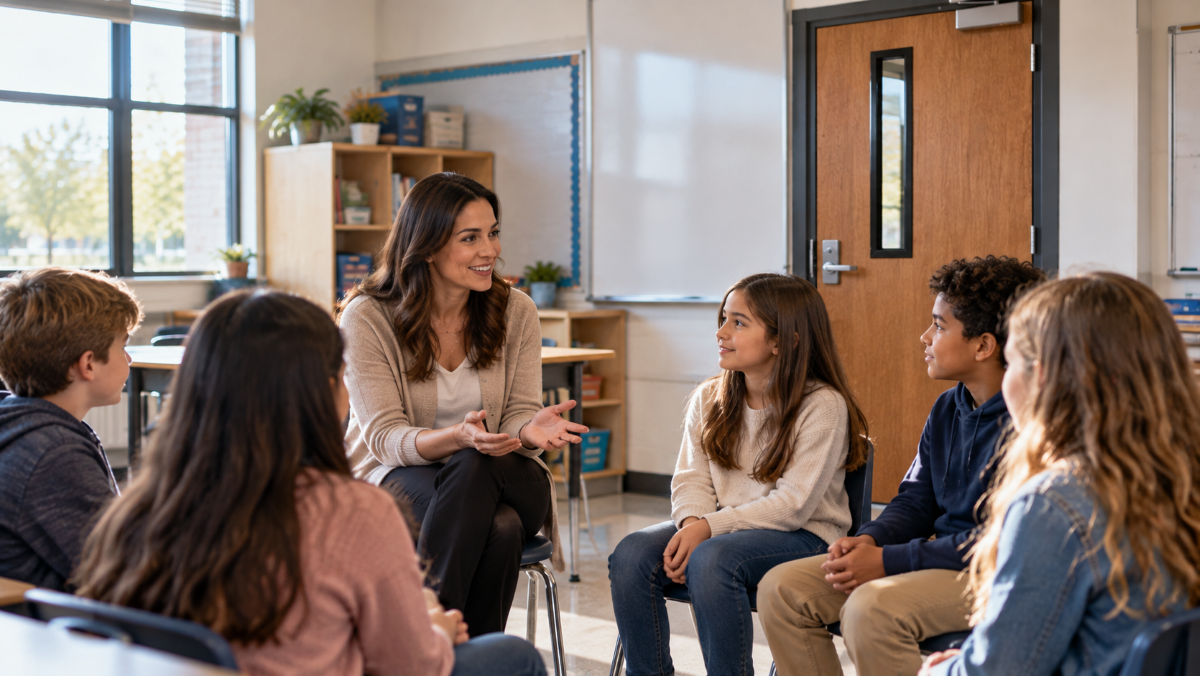
How To Talk To Children About Safety Calmly
Children need enough information to know what to do, but they do not need every frightening detail.
A calm explanation might sound like, “We practice so we know what to do if something unexpected happens.” That keeps the focus on readiness rather than fear.
Helpful messages include:
- Adults have a plan
- Stay with your group
- Listen to trusted adults
- Ask for help
- Follow the first step
Avoid language that suggests children are responsible for protecting themselves or others. Their job is to follow instructions and stay with trusted adults.
Short conversations are usually better than one long, serious talk. Repeating simple messages over time helps children remember them without making safety feel overwhelming.
For more guidance, see how to talk to kids about safety calmly using short, age appropriate conversations and simple routines.
How Schools Can Change The Safety Narrative
Schools can improve safety culture by shifting the focus from fear to readiness.
Instead of emphasizing frightening scenarios, administrators can explain why routines exist and what each person is expected to do. Teachers should receive tools and procedures that reduce uncertainty rather than add responsibilities.
A strong school approach combines:
- Reliable door security
- Clear communication
- Consistent training
- Protected entry points
- Age appropriate messaging
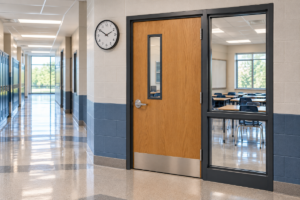
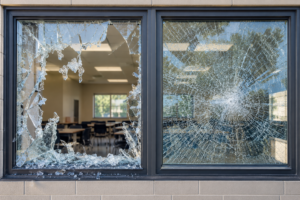
This is where preparedness without fear connects directly with physical security. When doors, locks, glass protection, and procedures work together, people do not have to depend on improvisation.
CISA’s K-12 school security resources emphasize layered planning and physical security as part of a broader risk management strategy. The goal is not a single product. It is a coordinated system that supports people before, during, and after an emergency.
FAQ
What Is Preparedness Without Fear?
Preparedness without fear is a calm approach to safety that focuses on practical routines, reliable tools, and clear first steps instead of frightening scenarios. It helps people feel capable and supported.
How Can Parents Prepare Children Without Scaring Them?
Keep conversations short and age appropriate. Focus on trusted adults, simple actions, and reassurance. Avoid unnecessary detail and explain that preparation helps everyone know what to do.
Does Preparedness Mean Constantly Thinking About Emergencies?
No. Good preparedness should blend into everyday routines. Families and schools can review plans occasionally while keeping daily life normal and positive.
Why Are Simple Tools Better During Stress?
Simple tools reduce the number of decisions someone must make. If a safety system works consistently and requires fewer steps, people are less likely to hesitate or make mistakes.
How Does Physical Security Support Preparedness?
Strong doors, reliable locks, protected glass, and maintained hardware create dependable physical layers. These systems support established procedures and give people more confidence that the environment will work as expected.
Preparedness Without Fear: Changing the Narrative
Preparedness without fear changes the safety conversation from anxiety to confidence. Calm routines, reliable tools, age appropriate communication, and clear first steps help families and school communities prepare without making fear part of everyday life.
FlipLok believes protection should feel practical, dependable, and easy to use. Contact us to learn more about our school safety solution and how simple physical security can support calmer, more confident preparedness.