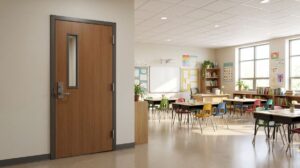
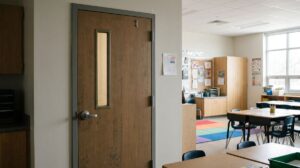
How Muscle Memory Saves Time becomes especially important during emergencies, when teachers must make decisions quickly while keeping students safe. Repeated practice helps people become more familiar with essential actions, reducing the need to think through every individual step.
In schools, this can mean knowing how to secure a classroom door, follow communication procedures, and guide students without unnecessary hesitation. Familiar routines can make important tasks easier to perform when attention is divided between multiple responsibilities.
Muscle memory does not mean the muscles literally remember movements. It describes learned actions that become more efficient through practice and repetition. The more familiar a task becomes, the less conscious effort it may require.
However, practice alone is not enough. Schools also need dependable locking hardware, accessible equipment, and clear emergency procedures that support those learned actions.
The goal is not to create fear or expect perfect reactions. It is to make everyday preparedness simple, consistent, and easier to rely on.
What Is Muscle Memory and How Does It Work?
Muscle memory refers to the process of developing familiar movement patterns through repeated practice. Over time, actions that initially require conscious attention can become smoother and more efficient.
Understanding How Muscle Memory Saves Time begins with recognizing how practice changes the demands of a task.
For example, someone learning to operate unfamiliar equipment may initially need to remember each step. After appropriate repetition, the same action can become more familiar and require less conscious effort.
Research published through the National Library of Medicine explains that practice can improve performance speed, develop habitual responses, and reduce cognitive demands.
These findings help explain why familiar routines are useful in school preparedness.
Muscle memory does not guarantee perfect performance during emergencies. However, practicing correct actions can help people become more comfortable with the equipment and procedures they are expected to use.
How Muscle Memory Saves Time During Classroom Emergencies
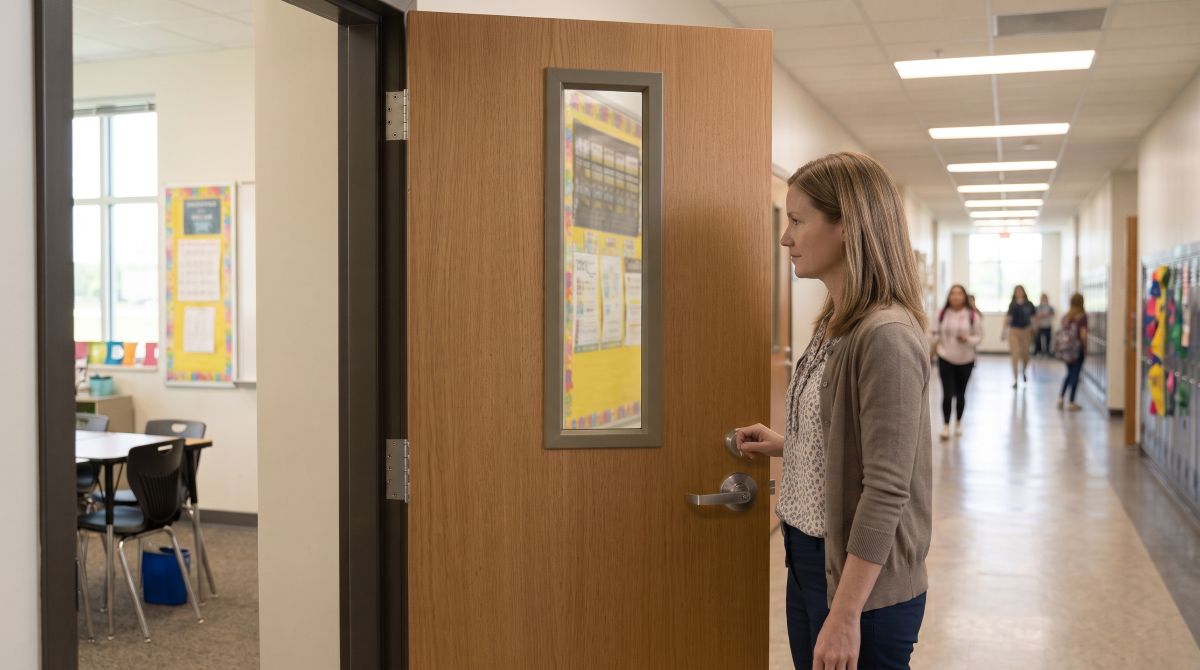
During an emergency, teachers may need to secure a door, communicate with administrators, and guide students within a short period.
How Muscle Memory Saves Time is connected to reducing the effort needed to perform familiar actions while other responsibilities require attention.
Consider a teacher operating a classroom locking system. If the mechanism is unfamiliar or requires multiple steps, the teacher may need additional time to determine how it works.
When the locking procedure is straightforward and regularly practiced, the action may become easier to perform without hesitation.
Important benefits of familiarity include:
- Faster task recognition
- Fewer unnecessary decisions
- More consistent operation
- Reduced procedural confusion
- Greater equipment familiarity
The SchoolSafety.gov emergency planning guidance emphasizes training and exercises that help staff understand their roles and evaluate established emergency procedures.
Preparedness becomes stronger when practice supports a system that already works reliably.
Why Simple Classroom Locks Support Familiar Actions
Simple hardware can make essential security actions easier to learn and repeat.
A classroom locking mechanism should not require teachers to step into the hallway or complete several unfamiliar movements before securing the door.
This is an important example of How Muscle Memory Saves Time through practical equipment design.
FlipLok offers a one-motion mechanical classroom locking solution designed for quick interior operation. Its mechanism does not require electricity, batteries, Wi-Fi, or electronic connectivity.
A straightforward locking action can be incorporated into familiar classroom procedures while reducing unnecessary steps.
Schools should still evaluate door construction, frames, strikes, hinges, and surrounding glass to ensure the entire door assembly supports reliable protection.
For additional information, explore how classroom locking systems support physical security and emergency readiness.
The objective is to combine practiced actions with intuitive hardware, allowing teachers to focus their attention on students rather than complicated equipment.
How Can Schools Build Muscle Memory Without Creating Fear?
Effective practice should help teachers and students understand safety procedures without making emergency preparedness frightening.
How Muscle Memory Saves Time depends on learning correct actions, not creating stressful simulations.
Schools can begin with short, controlled training sessions where staff become familiar with classroom locking systems and communication responsibilities.
Practical training can include:
- Reviewing locking procedures
- Practicing equipment operation
- Checking staff responsibilities
- Confirming communication methods
- Reviewing emergency exits
The CISA K-12 School Security Guide encourages a layered approach that combines physical protection, procedures, personnel, and preparedness.
Training should be age-appropriate and coordinated with established emergency operations plans.
For students, simple instructions and calm explanations are generally more appropriate than dramatic scenarios.
The purpose is confidence and familiarity. Schools should review lessons from exercises and improve procedures whenever something creates unnecessary confusion.
Why Do Hardware Reliability and Accessibility Matter?
Practice is only useful when the equipment being practiced functions correctly.
Even a familiar locking procedure may become difficult if the door is misaligned, the latch is damaged, or the hardware requires excessive force.
This is why How Muscle Memory Saves Time must be considered alongside maintenance and accessible design.
Schools should routinely inspect classroom doors and ensure that security devices work consistently across normal operating conditions.
Accessibility is equally important. The U.S. Access Board’s ADA door hardware guidance explains requirements for accessible door operation, including the ability to operate hardware with one hand without tight grasping, pinching, or twisting of the wrist.
Security improvements must also preserve emergency egress and authorized emergency access under applicable codes.
For a closer examination of the complete door assembly, read about hardening a classroom.
Familiar actions, dependable equipment, and safe operation should all support the same preparedness plan.
FAQ
Does Muscle Memory Help People Respond Faster During Emergencies?
Practiced movements can become more efficient and require less conscious attention. This may help people perform familiar actions more quickly during emergencies. However, the benefits depend on the task, training quality, equipment, and circumstances. Muscle memory should support clear judgment rather than replace it.
How Often Should Teachers Practice Classroom Locking Procedures?
Schools should establish practice schedules that fit their emergency operations plans and applicable requirements. Brief opportunities to review locking hardware can help maintain familiarity, especially when personnel or equipment changes. The emphasis should be on correct operation and dependable performance rather than unnecessary repetition.
Can Muscle Memory Replace Emergency Safety Training?
No. Muscle memory develops through appropriate practice, but comprehensive preparation also requires clear responsibilities, communication, and an understanding of different emergency procedures. Staff must recognize when to secure a room, evacuate, or follow other instructions based on the situation.
Why Are Simple Locks Important for Muscle Memory?
Simple locking mechanisms can be easier to learn because they involve fewer actions. A familiar, consistent movement may require less conscious effort than a complicated sequence. Equipment must still be properly installed, accessible, and compatible with required emergency egress.
How Muscle Memory Saves Time for Teachers?
How Muscle Memory Saves Time for teachers involves making familiar security actions easier to perform when attention is divided. Practicing straightforward classroom locking procedures can reduce uncertainty, allowing teachers to devote more attention to students and established emergency communication.
How Muscle Memory Saves Time in School Safety
How Muscle Memory Saves Time demonstrates why reliable classroom security should combine familiar actions, intuitive equipment, and consistent preparation. Repeated practice can reduce unnecessary procedural effort, while accessible hardware and maintained doors help ensure those practiced actions remain dependable.
FlipLok supports this approach with a one-motion mechanical locking solution designed for fast, straightforward interior operation.
Contact FlipLok to learn more about our school safety solution and how simple, reliable classroom protection can support confident emergency preparedness.