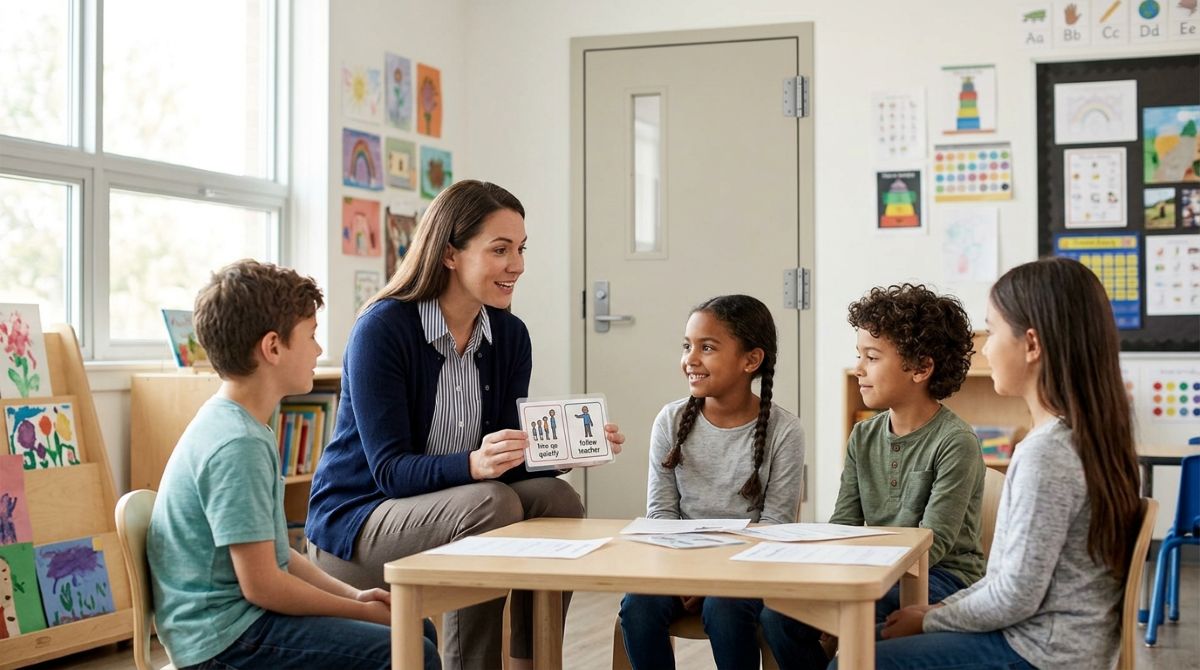
Calm preparation gives schools something drills alone cannot provide: confidence built through everyday routines, reliable systems, and clear expectations. Drills can help students and staff practice what to do, but a drill is only one part of a complete school safety strategy.
Effective preparedness begins long before a scheduled exercise. Teachers need classroom security they can operate quickly, administrators need clear communication procedures, and students need age-appropriate instructions they can understand without being frightened. When those pieces are already familiar, drills can reinforce the plan instead of becoming the plan.
This distinction matters because emergencies rarely unfold exactly like rehearsals. People may be in different locations, technology may not respond as expected, or circumstances may change quickly. Familiar routines and dependable physical security give people a stronger foundation for responding appropriately.
Schools do not need more fear to become better prepared. They need practical systems that help people know what to do and trust that the environment will support them.
Why Is Calm Preparation More Effective Than Drills Alone?
Calm preparation works because it builds familiarity over time. A drill provides practice during one scheduled event, while preparation shapes the routines, tools, and expectations people use every day.
Students should understand basic actions such as listening to trusted adults, staying with their group, and following instructions. Teachers need more detailed procedures, but those procedures should still be clear enough to follow under stress.
Preparation may include:
- Clear staff responsibilities
- Reliable classroom locks
- Consistent communication
- Familiar student routines
- Regular security reviews
Drills can then test whether those systems make sense.
When a school depends primarily on drills, there is a risk that students memorize one scenario without understanding the broader routine. Calm preparation builds a foundation that can remain useful even when an emergency does not happen exactly as practiced.
Why Repetition Alone Does Not Equal Readiness
Repeating a drill can make a procedure familiar, but repetition does not automatically make a school safer.
A teacher may know the lockdown procedure perfectly and still face difficulty if the classroom door does not latch correctly. Students may know where to move but become confused if communication is inconsistent. Staff may understand the plan but lose valuable time if a security device requires too many steps.
That is why calm preparation looks at the entire environment.
Schools should ask whether their physical systems support the procedures being practiced. Door hardware, frames, locks, glazing, communication, and staff responsibilities all need to work together.
A drill is most useful when it reveals gaps that can then be corrected. It should not simply be repeated because it appears on the calendar.
Preparedness becomes stronger when schools use drills as one tool for evaluating a larger safety strategy.
How Calm Communication Helps Students Respond
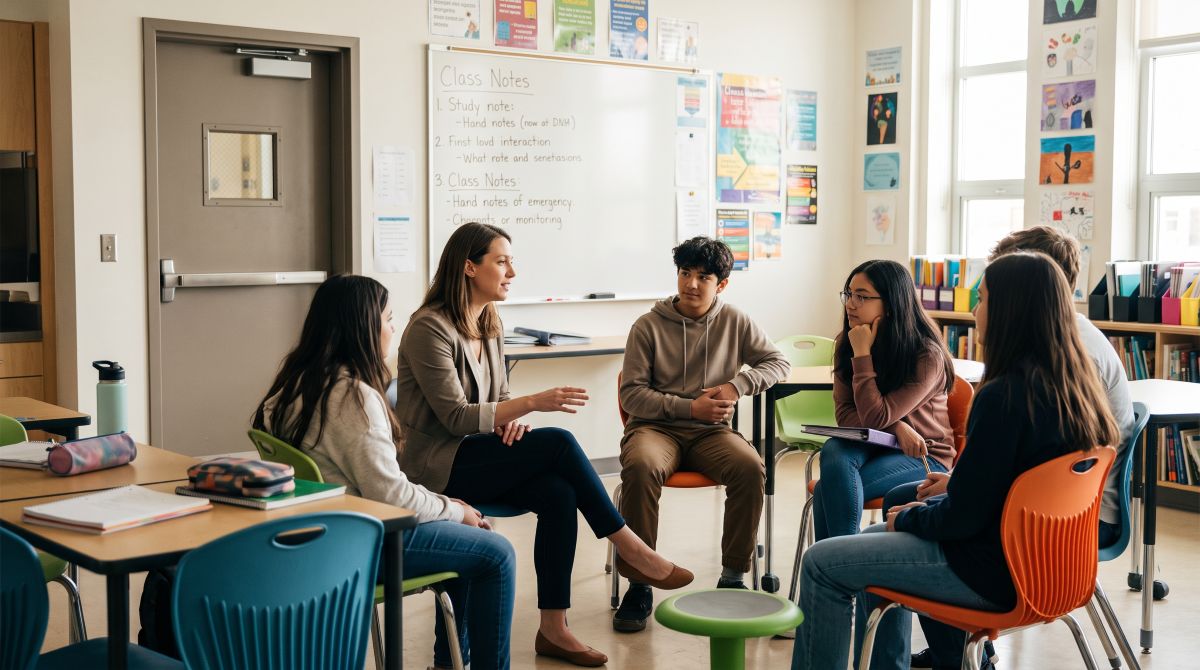
Students often take emotional cues from the adults around them. If preparedness is introduced with frightening language, dramatic scenarios, or excessive urgency, children may remember the fear more clearly than the procedure.
Calm preparation uses simple language focused on what students should do.
For younger students, that may mean:
- Listen to your teacher
- Stay with your class
- Move calmly
- Follow instructions
- Ask for help
Students do not need every operational detail that administrators and staff need.
Schools can explain drills as practice that helps everyone know what to do when something unexpected happens. This keeps the focus on readiness rather than danger.
Consistency helps too. When parents and teachers use similar language, children receive a clearer message that adults have plans, tools, and responsibilities in place.
The American Academy of Pediatrics recommends giving children age-appropriate information and avoiding unnecessary details that may increase fear or anxiety.
Why Reliable Classroom Security Matters Between Drills
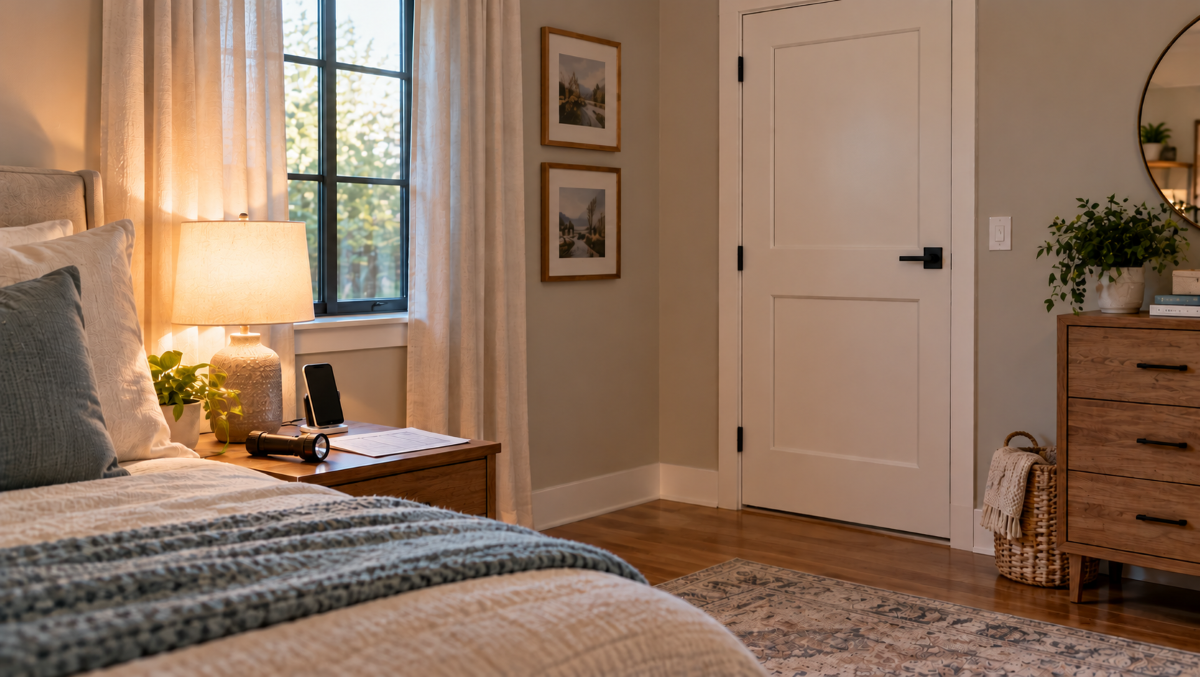
Preparedness cannot exist only when a drill is happening. Classroom security needs to work every school day.
Teachers should be able to secure their classroom quickly from inside without stepping into the hallway or completing a complicated sequence. The door should close correctly, the frame should remain secure, and nearby glass should not undermine the protected boundary.
This is where physical security strengthens calm preparation.
FlipLok provides a one-motion mechanical classroom locking solution designed to operate without power, Wi-Fi, or electronic connectivity. A simple locking action can reduce hesitation and allow the teacher to turn attention back to students.
The complete door system still matters. Schools should regularly evaluate:
- Door alignment
- Strike hardware
- Frames
- Hinges
- Nearby glass
A stronger approach to hardening a classroom looks at the full door system, including the lock, frame, strike area, hinges, alignment, and nearby glass.
Preparedness is more dependable when the building supports the procedure rather than forcing teachers to compensate for physical weaknesses.
How Schools Can Make Drills More Useful
Drills still have an important purpose. They allow schools to practice procedures, identify confusion, and evaluate whether communication works as expected.
The difference is how they are used.
A useful drill should have a clear objective. Schools might evaluate whether classroom doors can be secured efficiently, whether communication reaches staff, or whether students understand their basic instructions.
Afterward, staff should review what worked and what created uncertainty.
Questions might include:
- Were instructions clear?
- Did doors operate correctly?
- Was communication consistent?
- Did staff understand roles?
- Were students unnecessarily distressed?
This turns drills into feedback instead of performance.
Calm preparation also means avoiding unnecessary realism designed to create fear. The purpose of practice is to make procedures more familiar, not to reproduce panic.
Why Layered Preparedness Creates Stronger School Safety
School safety is strongest when several layers support one another.
Physical security creates barriers. Communication helps staff understand what is happening. Procedures provide direction. Training helps people apply those procedures.
A layered approach might include:
- Interior door security
- Protected glazing
- Communication systems
- Staff preparation
- Age-appropriate routines
No single layer should carry the full burden.
This is an important part of calm preparation because it removes unrealistic expectations from teachers and students. Teachers should not have to become security experts during an emergency, and students should not feel responsible for identifying threats.
The school environment should already provide dependable protection and clear procedures.
That allows drills to reinforce a functioning system rather than compensate for missing pieces.
FAQ
Are School Safety Drills Still Important?
Yes. Drills can help students and staff become familiar with procedures and reveal areas that need improvement. They work best as one component of broader preparation rather than as the entire safety strategy.
Why Can Too Many Intense Drills Be Counterproductive?
Highly realistic or fear-based exercises may create unnecessary anxiety without improving everyday readiness. Practice should reinforce clear actions and confidence rather than depend on panic to feel realistic.
What Does Calm Preparation Include?
Calm preparation includes clear communication, reliable physical security, familiar routines, staff training, and age-appropriate student instructions. These layers provide a foundation that drills can reinforce.
How Does Classroom Door Security Support Preparation?
Reliable door security reduces uncertainty. When teachers know they can quickly secure a classroom from inside, they can focus on students and established procedures rather than troubleshooting hardware.
Should Schools Review Their Drills Afterward?
Yes. Reviewing communication, door operation, staff responsibilities, and student understanding can help schools identify practical improvements instead of simply repeating the same exercise.
Why Calm Preparation Is More Effective Than Drills Alone
Calm preparation gives schools a stronger foundation than drills alone because it combines familiar routines, dependable physical security, clear communication, and thoughtful practice. Drills remain useful, but they are most effective when they reinforce systems that already work every day.
FlipLok believes classroom protection should be simple, dependable, and easy for teachers to use. Contact us to learn more about our school safety solution and how reliable physical security can support confident preparedness without making fear part of the school environment.