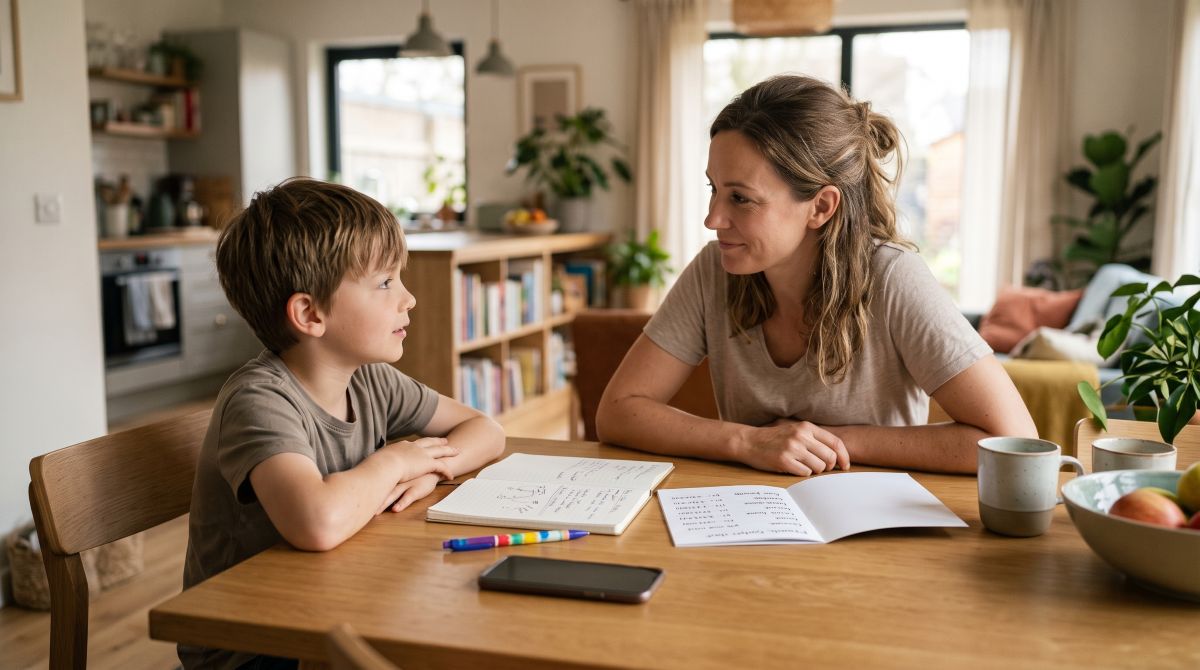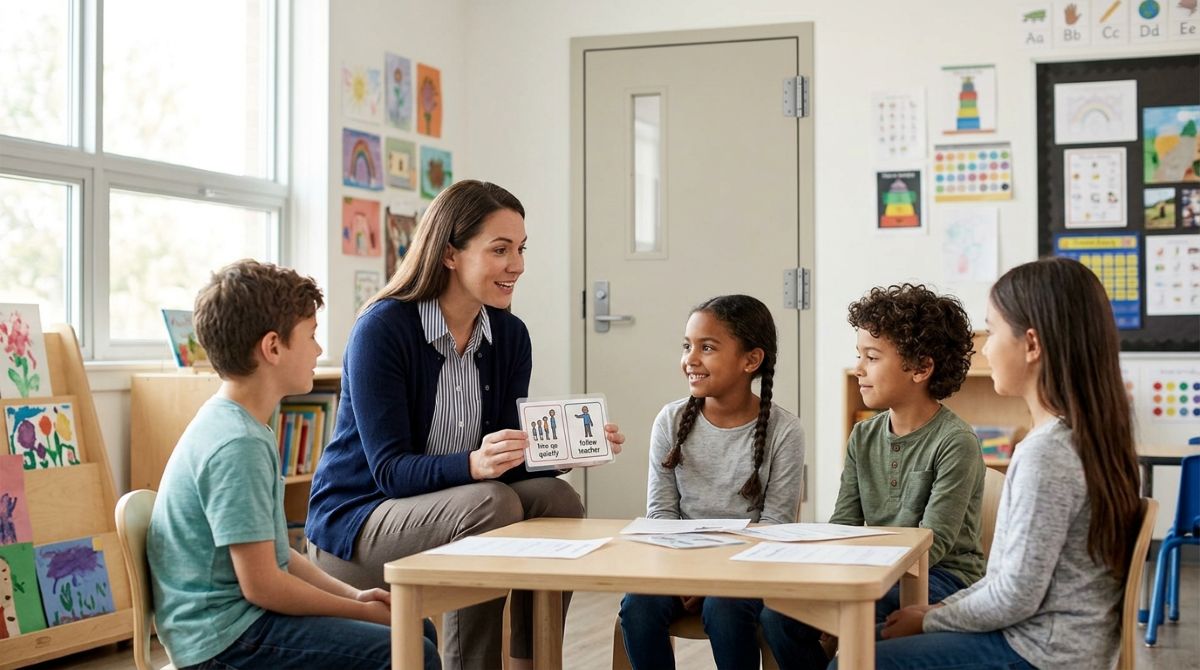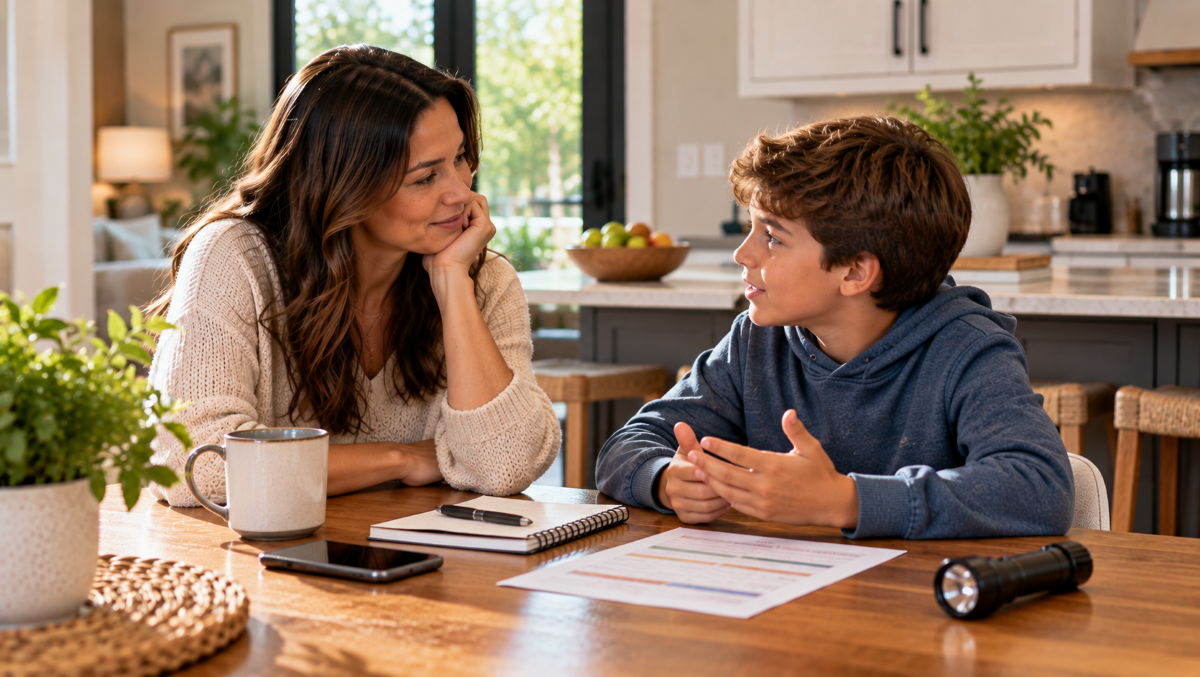
Talking to kids about what if scenarios can help children feel prepared without making them responsible for predicting or managing emergencies. The key is to keep conversations short, practical, and focused on what children can actually do, such as staying with trusted adults, following instructions, and asking for help.
Children naturally ask questions about situations they hear about at school, online, or from friends. Parents may also want to prepare them for everyday situations like getting separated in a store, experiencing severe weather, or participating in a school safety drill.
These conversations do not need to focus on everything that could go wrong. Instead, parents can use simple scenarios to reinforce one or two actions children can remember.
When safety is discussed calmly, children learn that preparation is normal. They gain confidence from knowing adults have plans, reliable systems are in place, and their own role is clear and manageable.
How Should Parents Introduce “What If” Scenarios?
The best way to begin is with situations children can easily understand. Rather than presenting a frightening event, ask a simple question that focuses on the first action.
For example:
- What if we get separated?
- What if you need help?
- What if the lights go out?
- What if school has a drill?
- What if plans change?
When talking to kids about what if scenarios, avoid asking several questions at once. One scenario followed by one clear response is easier for children to process.
A parent might ask, “What would you do if you could not find me in a store?” After listening to the child’s answer, reinforce a simple plan such as staying in one place and finding an appropriate trusted adult or store employee.
The purpose is not to test children. It is to make the first step familiar.
Why Should “What If” Conversations Stay Calm?
Children often respond to the emotional tone of a conversation before they fully understand its details. If an adult sounds alarmed, children may assume the situation is more likely or more dangerous than intended.
Calm conversations send a different message: adults prepare because preparation helps people know what to do.
Instead of saying, “What if something terrible happens at school?” a parent could ask, “If your teacher asks everyone to follow a safety routine, what is your job?”
The answer can remain simple: listen, stay with the class, and follow instructions.
This approach keeps responsibility where it belongs. Children are not expected to solve emergencies or protect other people.
For more guidance, parents can review how to talk to kids about safety calmly and keep safety conversations focused on confidence rather than fear.
How Much Detail Should Children Receive?
Age should guide the amount of information children receive. Younger children usually need concrete actions and reassurance. Older children may ask more detailed questions and can understand more context.
When talking to kids about what if scenarios, answer the question the child actually asked before adding more information.
If a child asks, “What happens if our school has to lock the classroom door?” a useful response could be:
“Your teacher has a plan. Your job is to stay with your class, listen, and follow directions.”
That may be enough.
Parents should avoid adding graphic details or describing scenarios children did not ask about. If they want to know more, they can ask another question.
This helps children receive information at a pace they can understand while maintaining trust in the adults and safety systems around them.

How Can Families Practice Without Creating Anxiety?
Practice does not need to feel like a simulation. Everyday routines can reinforce preparedness naturally.
A family might occasionally review:
- Where to meet
- Who to call
- Who is trusted
- Where supplies are
- What happens first
Parents can also model these habits themselves. Checking that doors are locked, keeping emergency contacts updated, or maintaining a consistent meeting location shows children that preparedness is simply part of responsible family life.
This is where talking to kids about what if scenarios connects with calm modeling. Children observe how adults behave as much as they listen to what adults say.
Families interested in building that consistency can also review how parents can model calm safety behavior through everyday routines.
Practice should end naturally. Once the child understands the first step, return to regular activities rather than continuing the conversation until it becomes stressful.
How Should Parents Discuss School Safety Scenarios?
School safety can be one of the more difficult topics because parents want children to feel prepared without creating anxiety.
Start with what children already know. Ask what their school has taught them and whether anything was confusing.
Then reinforce the basics.
Students should know that teachers and school staff have procedures and tools designed to support them. Their responsibility is generally to listen, stay with the group, and follow instructions.
Parents do not need to explain every security feature in the school. However, knowing that classrooms have physical safety measures can help adults communicate with greater confidence.
Schools can support this same approach through preparedness without fear, where reliable classroom security, clear procedures, and calm communication work together.
When families and schools reinforce similar messages, children receive a more consistent and reassuring understanding of preparedness.
FAQ
Can “What If” Questions Make Children More Anxious?
They can if conversations are frequent, dramatic, or focused primarily on frightening possibilities. Keep questions occasional and practical. Focus on one simple action and allow the child to move on once the answer is clear.
What If My Child Keeps Asking the Same Safety Question?
Repeated questions may mean the child is seeking reassurance rather than new information. Give a consistent answer, remind them of the plan, and ask if there is a specific part they are worried about.
Should Parents Bring Up School Emergencies First?
Not necessarily. If the school has introduced drills or the child asks about something they heard, a calm conversation can be helpful. Avoid introducing detailed scenarios simply because adults are worried about them.
What Are Good “What If” Scenarios for Younger Kids?
Start with everyday situations such as becoming separated, needing help, hearing an alarm, or following a teacher during a drill. Keep the solution short and focused on trusted adults.
What Is the Goal of Talking to Kids About What If Scenarios?
The goal of talking to kids about what if scenarios is to build familiarity with simple actions, not to teach children every possible danger. Children should leave the conversation feeling supported and knowing what first step to take.
Talking to Kids About “What If” Scenarios
Talking to kids about what if scenarios works best when parents use calm language, age-appropriate information, and simple first steps. Children do not need to carry the responsibility for safety. They need confidence that trusted adults, familiar routines, and dependable systems are there to support them.
FlipLok believes preparedness should build confidence instead of fear. Contact us to learn more about our school safety solution and how reliable classroom security can support teachers, students, and families.