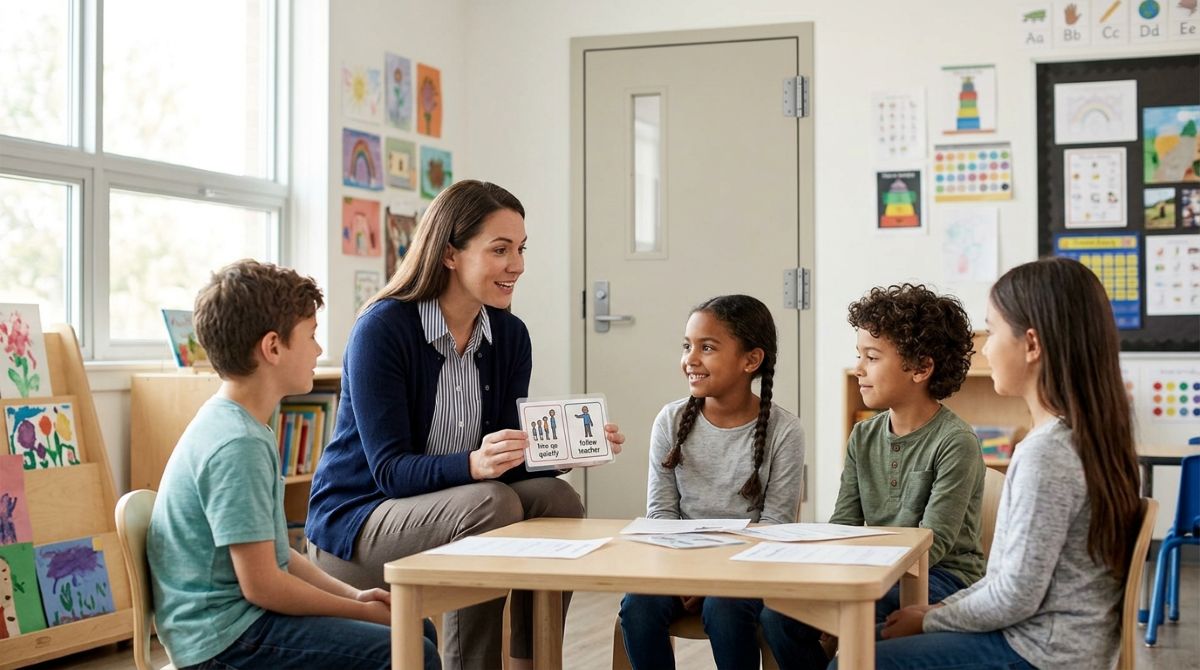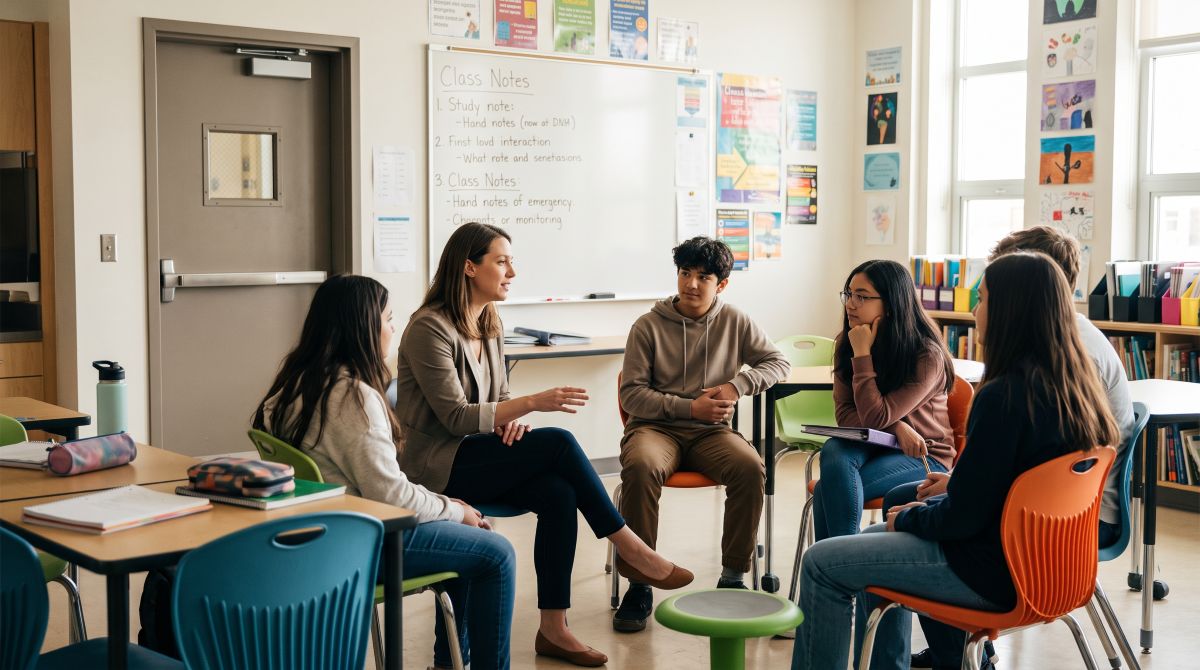
Children often learn how to react by watching the adults around them. Parents can model calm safety behavior by treating preparedness as a normal part of everyday life rather than something connected to fear, panic, or constant danger.
Protecting children is about providing them with the knowledge and skills they need to respond confidently if there were an incident. Protecting children is about creating healthy relationships with safety, not unhealthy ones.
Parents can model calm safety behavior by developing a sense of preparedness in their daily lives. This doesn’t mean that everything has to be perfect, but parents can model preparedness behaviors in ways that are low-key
By modeling calm routines consistently, parents can help children build confidence, awareness, and trust without making safety feel like a constant source of worry.
Why Do Children Copy Adult Safety Behavior?
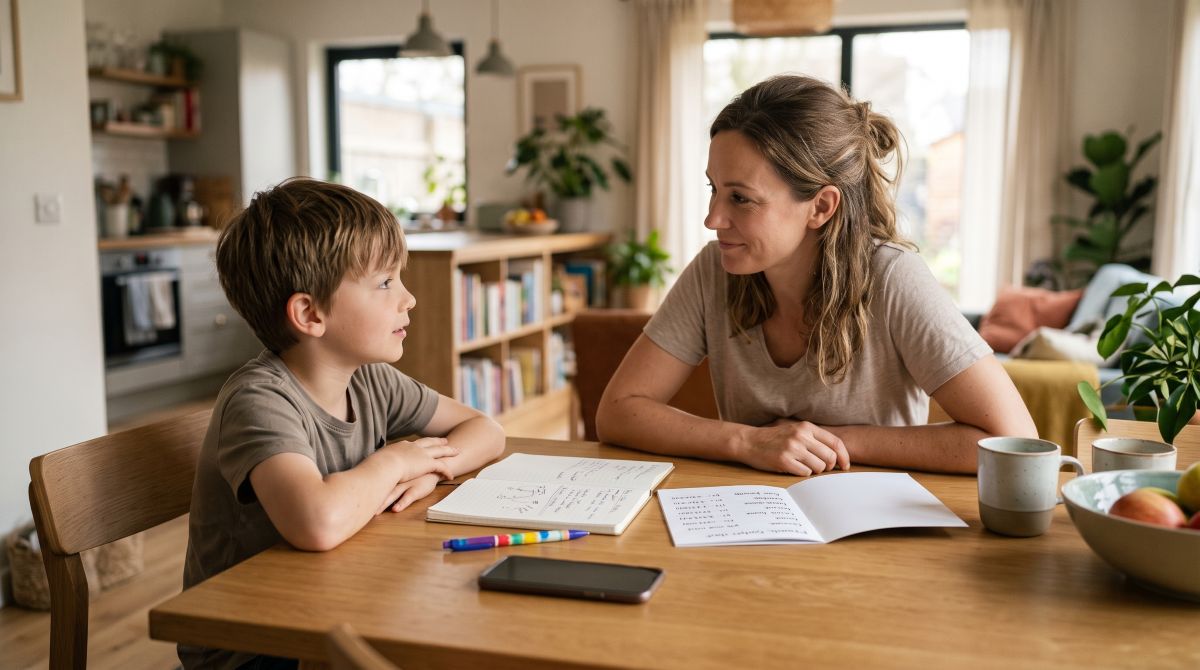
Children pay close attention to how adults respond to uncertainty. They notice facial expressions, tone of voice, and whether a parent appears calm or alarmed.
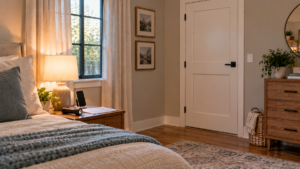
That means parents can model calm safety behavior even during ordinary routines. If a parent checks the door before bed without making it feel dramatic, the child learns that security is simply part of caring for the home.
The same applies to emergency planning. A short conversation about where to meet, who to call, or which adult to follow can feel reassuring when it is delivered calmly.
Parents do not need to hide every concern, but they should avoid making children feel like danger is everywhere. The message should be that adults prepare because preparation helps everyone respond more confidently.
This creates a healthier relationship with safety over time.
How Can Parents Talk About Safety Without Creating Fear?
The best approach is short, specific, and age appropriate.
Instead of explaining every possible danger, focus on the action a child should take.
For example:
- Stay with a trusted adult
- Listen to instructions
- Ask for help
- Stay with your group
- Follow the first step
When parents can model calm safety behavior, children learn that preparedness is about clarity rather than panic.
Try using phrases such as:
“We make plans so we do not have to guess.”
“We check the doors because that helps keep our home secure.”
“If something unexpected happens, we stay together and listen.”
These messages are practical without being frightening.
The American Academy of Pediatrics recommends giving children simple, age-appropriate information and avoiding unnecessary details that can increase anxiety.
Why Everyday Routines Matter More Than Big Safety Talks
One long conversation can make safety feel intense. Small routines are often easier for children to understand and remember.
Parents can build preparedness into everyday life by:
- Locking doors nightly
- Keeping keys consistent
- Updating contact information
- Checking exterior lighting
- Reviewing meeting places
These habits work because they are predictable.
Parents can model calm safety behavior by completing these routines without dramatic commentary. A child who sees the same simple process repeatedly begins to understand that safety is normal and manageable.
That consistency can be especially helpful after children hear about an upsetting event at school or online. Familiar routines give them something concrete to return to.
Preparedness should feel steady, not overwhelming.
How Should Parents Respond When Kids Ask Hard Questions?
Start by finding out what the child already knows.
A simple question such as, “What did you hear?” can prevent adults from giving more information than the child actually needs.
Then answer honestly, but briefly.
If a child asks about safety at school, you might say:
“Schools have plans, teachers practice what to do, and your job is to stay with your class and listen.”
That answer gives reassurance without making unrealistic promises.
When parents can model calm safety behavior, they also show children that difficult questions can be discussed without panic.
If the child seems worried, keep the conversation focused on trusted adults, routines, and what happens next. Avoid adding graphic detail or turning one question into a lengthy lecture.
Mayo Clinic guidance also encourages adults to listen first, offer calm reassurance, and help children feel secure after upsetting events.
How Can Parents Model Preparedness at Home?
Children learn from what adults do as much as what adults say.
Parents can calmly demonstrate preparedness by maintaining strong household routines. That might include checking exterior doors before bed, keeping ground-level windows secure, making sure flashlights are easy to find, and storing emergency contacts in a consistent place.
A family might also review a simple home plan a few times each year.
Good modeling means explaining the routine without making it feel urgent:
“We keep this flashlight here so everyone knows where it is.”
“We lock these windows at night because they are easy to reach.”
“We keep our contact list updated so we know who to call.”
This is how parents can model calm safety behavior through actions rather than warnings.
How Parents Can Support Calm School Preparedness
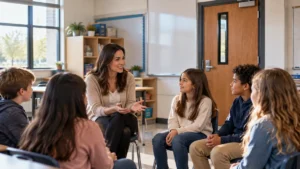
Parents can reinforce the same safety language children hear at school.
If a child mentions a drill, ask what happened before offering your own explanation. Questions such as “What did your teacher ask you to do?” or “Was anything confusing?” help parents understand the child’s experience.
Avoid framing teachers as people expected to take extraordinary risks. A healthier message is that teachers are supported by procedures, training, and classroom safety tools.
Parents can also encourage schools to use calm, age appropriate messaging and reliable physical security.
When home and school use similar language, children receive a consistent message: adults prepare, systems provide support, and students follow simple instructions.
This is another way parents can model calm safety behavior while strengthening trust in school preparedness.
FAQ
How Can Parents Stay Calm When They Feel Worried?
Parents do not need to pretend they never feel concerned. Focus on the next practical action and keep conversations with children simple. Adults can process more detailed concerns separately while giving children information that matches their age and needs.
Should Parents Practice Safety Plans With Children?
Yes, but practice should be brief and calm. Review where to go, who to listen to, and what the first step is. Avoid turning practice into a frightening simulation.
What If A Child Becomes Anxious About Safety?
Ask what specifically is worrying them. Answer that question directly, reinforce the plan, and return to a normal routine. Reassurance works best when paired with clear, familiar actions.
How Often Should Families Discuss Safety?
A few short conversations throughout the year are usually more helpful than frequent intense discussions. Review plans when routines change, children grow, or household information needs updating.
What Is The Best Way Parents Can Model Calm Safety Behavior?
The best way parents can model calm safety behavior is through consistent actions, steady language, and simple routines. Children benefit when adults show that preparation is practical, manageable, and supported by trusted people and reliable systems.
How Parents Can Model Calm Safety Behavior
Parents can model calm safety behavior by making preparedness feel familiar rather than frightening. Calm conversations, dependable home routines, age appropriate explanations, and consistent school messaging help children understand safety without carrying unnecessary anxiety.
FlipLok believes protection should support confidence, not fear. Contact us to learn more about our residential and school safety solutions and how practical physical security can support calmer preparedness for families and school communities.