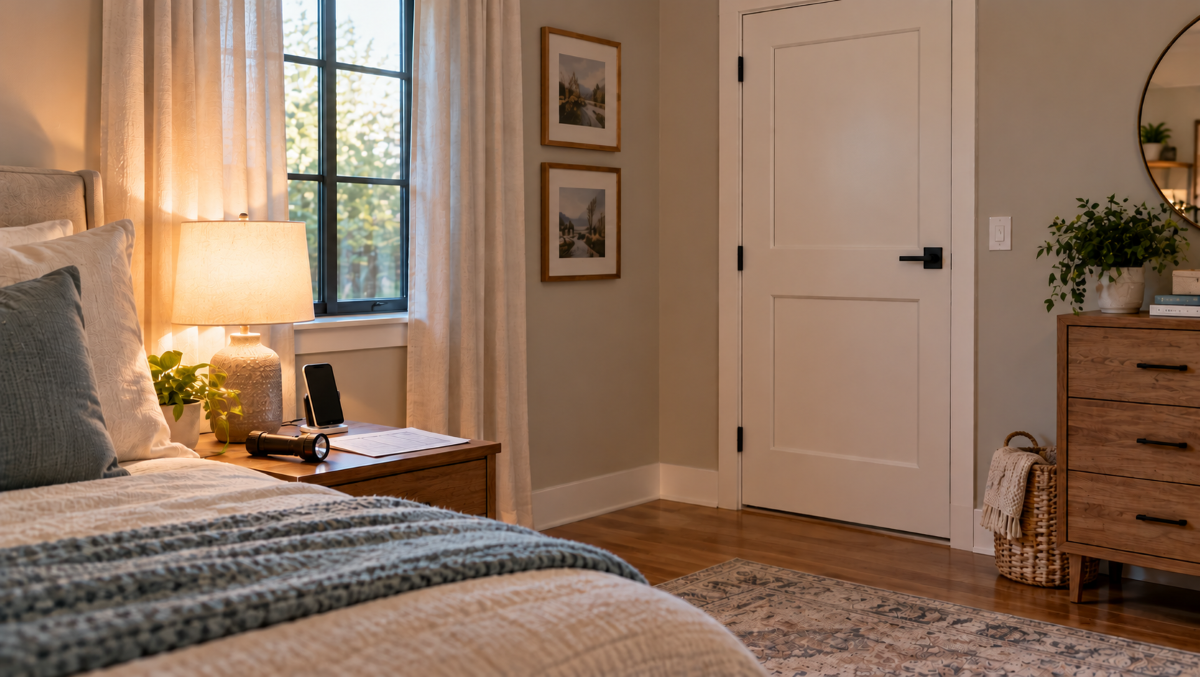
Creating safe spaces at home without panic starts with one simple idea: preparation should make your household feel more confident, not more anxious. A safe space does not need to be a dramatic room filled with specialized equipment. For most families, it can be a familiar area supported by a secure door, clear communication, simple supplies, and routines everyone understands.
The key is to lower the level of confusion and therefore higher levels of unpredictability when something out-of-the-ordinary occurs. This can mean knowing where to go; how to lock the door; who to call; and/or the first action to take. Planning for emergencies, creates consistency in responses because there isn’t so much decision-making required in real-time.
Your safe space should integrate with daily life. It should be part of your daily living experience-not an ongoing reminder of potential dangers. In addition, through integrating security, communication and preparedness into each other’s routine, Families can build better safety measures without building fear into their Home environment.
What Does Creating Safe Spaces at Home Without Panic Mean?
Creating safe spaces at home without panic means choosing a familiar location where family members can regroup, communicate, and follow a simple plan during an unexpected situation. The emphasis is on usability and calm preparation rather than extreme construction or fear based messaging.
For many homes, that could be a bedroom, office, or another interior room with a dependable door. The best choice depends on the home’s layout, household size, and everyday routines.
A useful safe space should be:
- Easy to reach
- Simple to secure
- Familiar to everyone
- Clear of clutter
- Connected to communication
The space should also fit naturally into the family’s normal environment. If it is difficult to access or requires too many steps, it may be harder to use effectively when stress is high.
How Do You Choose the Right Safe Space at Home?
The best safe space is usually the one your household can reach quickly and understand easily. Start by looking at rooms that already provide some separation from exterior doors and windows.
Consider whether the room has a solid door that closes and latches correctly. Check whether the locking hardware is easy for adults to operate and whether the space can comfortably fit the people who may need to use it.
When creating safe spaces at home without panic, avoid making the plan overly complicated. You do not need to select multiple rooms for every possible scenario. One clear option and one backup are often easier for family members to remember.
Think about accessibility too. Children, older adults, or anyone with mobility limitations should be able to reach the space without unnecessary barriers.
The goal is a location that supports quick, calm movement and does not create additional confusion.
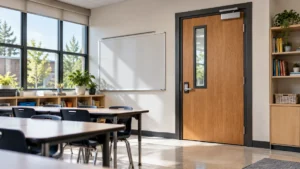
Why Door Security Matters in a Home Safe Space
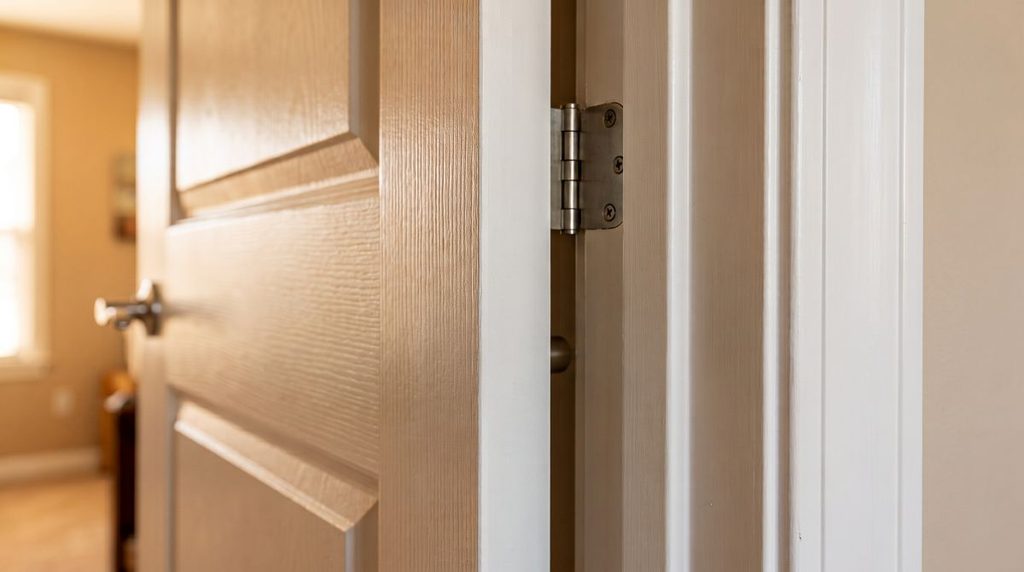
A safe space is more useful when its door closes properly and the locking hardware works as intended. A strong lock alone is not enough if the door frame, strike area, hinges, or alignment are weak.
This is where home safety planning should consider the complete door system.
Check that:
- The door closes fully
- The latch engages
- The frame feels stable
- Hinges are secure
- Hardware operates smoothly
Reliable door security helps creating safe spaces at home without panic feel more practical because family members know how the room works before they need it.
For additional guidance, review these home door reinforcement tips to learn how frames, strike areas, hinges, and hardware work together.
How Simple Supplies Support Calm Preparedness
A safe space does not need to look like an emergency storage room. A few practical items can support communication and reduce uncertainty without making the space feel intimidating.
Consider keeping:
- A flashlight
- Phone charger
- Contact list
- Basic first aid supplies
- Important instructions
These items should be easy to find and simple to maintain.
Ready.gov recommends that households create emergency plans that include communication details, meeting locations, and information about how family members will reconnect if separated.
When creating safe spaces at home without panic, focus on supplies that support your actual plan. Avoid collecting items simply because they appear on large preparedness lists. A smaller setup that everyone understands is often more useful than a complicated collection nobody knows how to use.
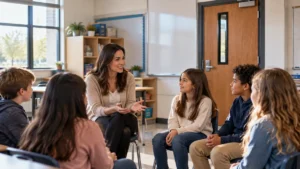
How Can Families Practice Without Making Kids Anxious?
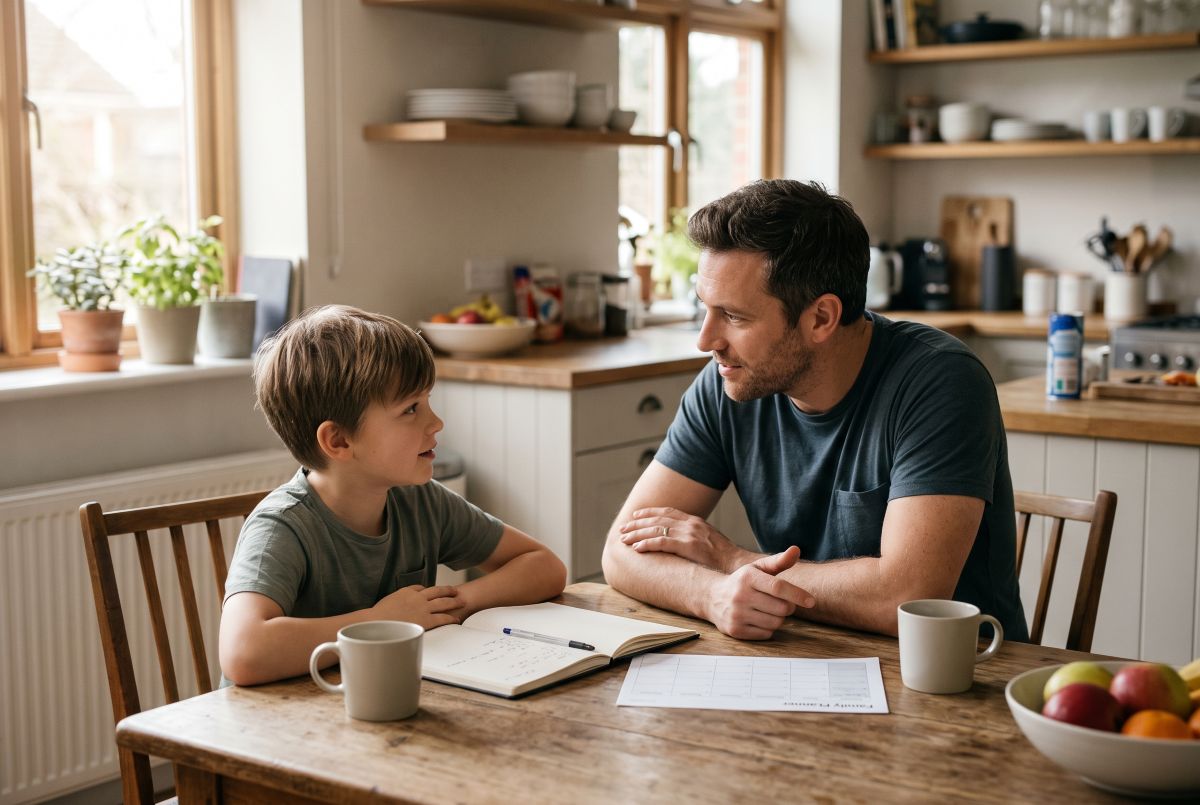
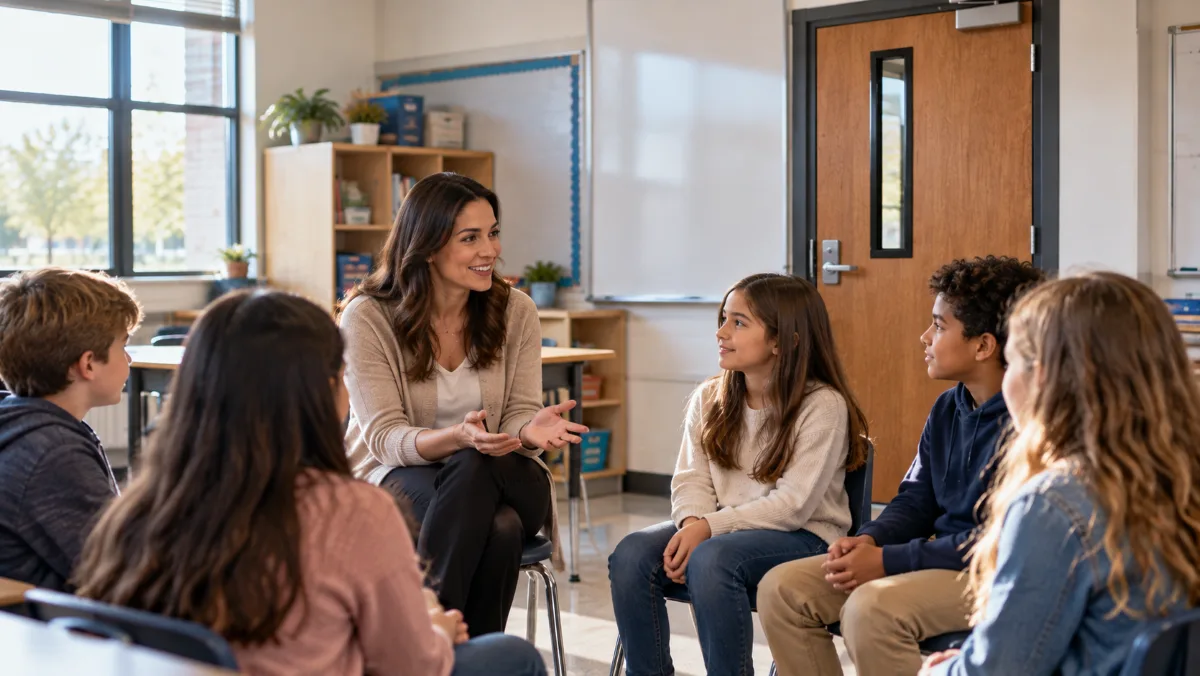
Children usually respond best when safety is presented as a normal family routine. The conversation does not need to focus on frightening situations.
You might explain:
“We have a place where we can all stay together if we ever need a quiet, secure spot.”
That gives children a clear idea without introducing unnecessary fear.
Short practice can also help. Families can casually review where to go, who brings the phone, and who helps younger children or pets.
Good creating safe spaces at home without panic routines emphasize:
- Staying together
- Listening to adults
- Moving calmly
- Knowing the first step
- Asking for help
Avoid turning practice into a dramatic simulation. The purpose is familiarity, not intensity.
How Visibility and Window Safety Fit Into the Plan
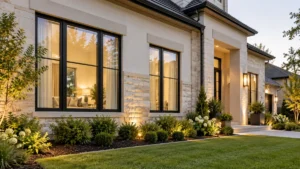
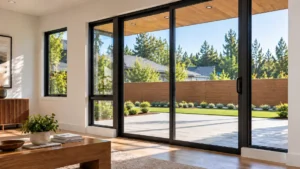
A home safe space should not be considered in isolation from the rest of the house. Entry points, accessible windows, lighting, and exterior visibility all contribute to the overall safety plan.
Ground-level windows deserve particular attention because they are easier to reach. Make sure accessible windows close and lock correctly, and consider whether landscaping or darkness creates unnecessary concealment around them.
Privacy matters too. Closing blinds or curtains at night can reduce visibility into the home while still keeping rooms comfortable during the day.
This layered approach helps creating safe spaces at home without panic work as part of a complete home plan rather than as a single isolated room.
FAQ
Do I Need a Dedicated Panic Room?
No. Most families do not need a specialized panic room. A familiar room with dependable door security, communication access, and a simple plan may be enough to create a practical safe space.
What Is the Most Important Feature of a Safe Space?
A clear first step. Everyone should know where to go and what to do without needing a long explanation. Reliable door operation and access to communication are also important.
How Can I Make the Space Feel Normal?
Use a room that already serves an everyday purpose. Keep supplies discreet and organized, and avoid turning the room into a visibly defensive space.
Should Children Practice Using the Safe Space?
Yes, but keep practice calm and brief. Focus on where to go, staying together, and listening to adults. Avoid dramatic scenarios that could create unnecessary anxiety.
What Should Creating Safe Spaces at Home Without Panic Include?
Creating safe spaces at home without panic should include a familiar room, dependable door security, basic communication tools, simple supplies, and calm routines that everyone in the household understands.
Creating Safe Spaces at Home Without Panic
Creating safe spaces at home without panic works best when families combine practical protection with simple routines. A dependable door, clear communication, a few useful supplies, safer windows, and calm conversations can create a stronger sense of readiness without making the home feel restrictive.
FlipLok believes residential protection should feel practical, dependable, and easy to use. Contact us to learn more about our residential solution and how layered home security can support greater confidence in everyday life.