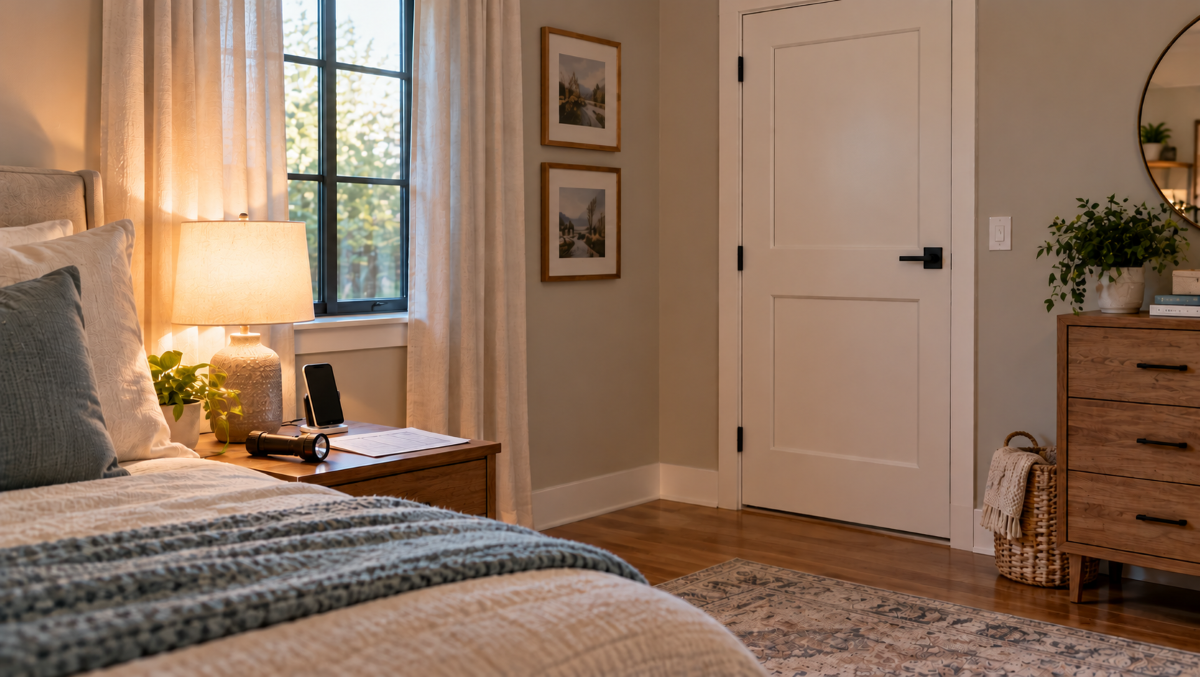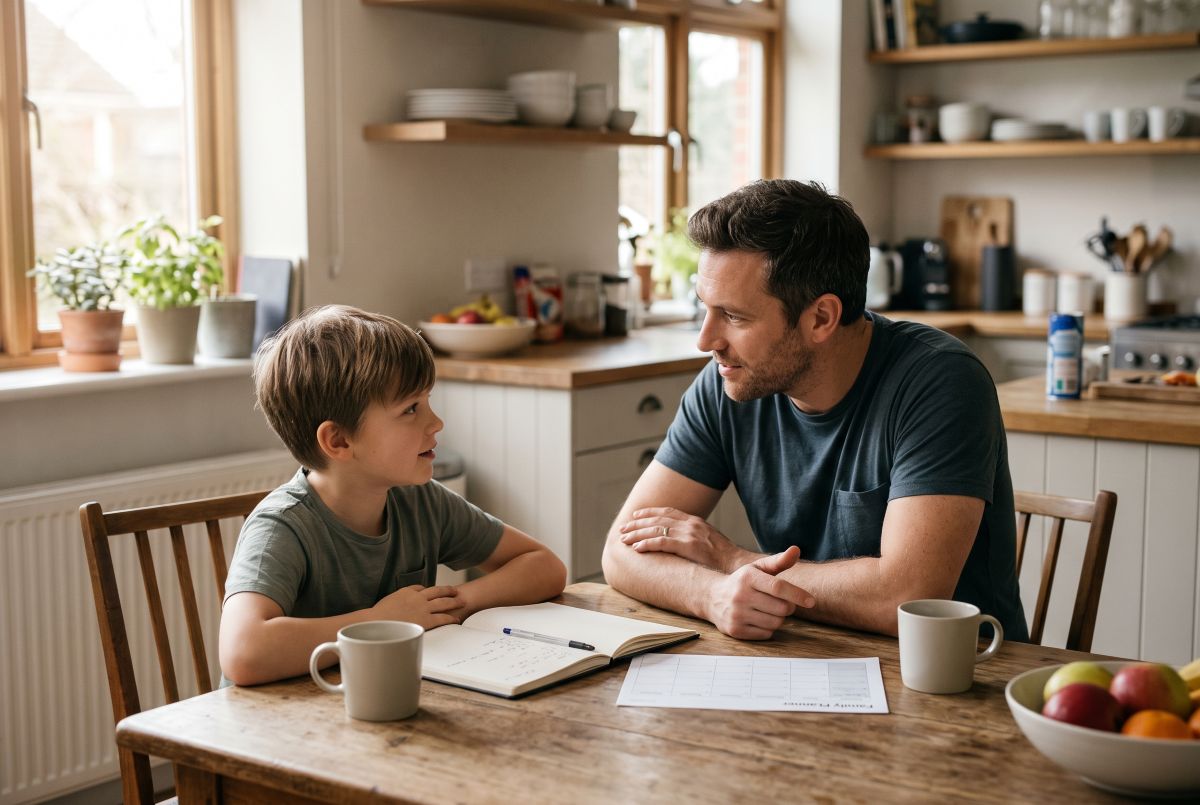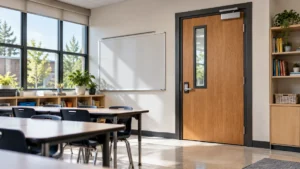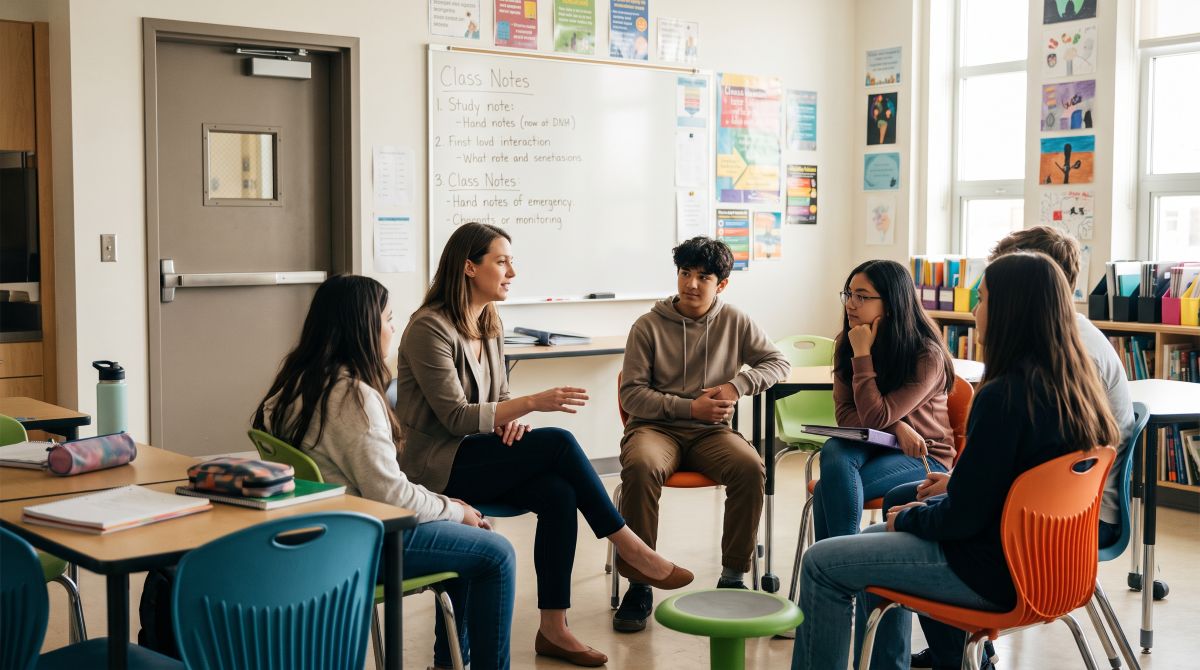
Schools need emergency plans, but preparedness should not make students feel like danger is always around the corner. Schools can prepare without creating fear by focusing on calm routines, clear expectations, dependable physical security, and age-appropriate communication.
The strongest safety culture is one students can understand without carrying unnecessary anxiety into the school day. Teachers and staff should know what to do, students should know whom to follow, and security systems should work without requiring complicated decisions under stress.
This approach also helps adults. When procedures are familiar and tools are intuitive, teachers do not have to improvise or remember long sequences during an emergency. They can focus on students while the environment supports the response.
Preparedness should create confidence. Schools can strengthen doors, improve communication, practice procedures, and prepare classrooms while still keeping the learning environment welcoming, calm, and centered on education.
How Can Schools Prepare Without Creating Fear?
Schools can prepare without creating fear by making safety part of normal school operations rather than treating every drill or security improvement as a response to frightening scenarios.
Students generally need to know what their role is, not every possible reason an emergency might occur. Simple instructions such as listening to the teacher, staying with the class, and following established procedures are often easier to understand and remember.
For staff, preparation should be more detailed. Teachers and administrators need clear responsibilities, reliable communication, and safety systems they can operate quickly.
A calm approach may include:
- Consistent procedures
- Clear staff roles
- Simple student instructions
- Reliable door security
- Regular safety reviews
The purpose of preparation is to reduce uncertainty. When people already understand what happens next, there is less need to make decisions while under stress.
Why Calm Communication Matters
The language schools use around safety can shape how students experience preparedness.
Fear-based messages can make students believe they are personally responsible for detecting or responding to threats. That is not the goal. Children should understand that adults have plans and that their job is to follow instructions from trusted staff.
When schools can prepare without creating fear, communication stays focused on actions rather than frightening possibilities.
Instead of describing dramatic scenarios, teachers might say:
“We practice so everyone knows what to do if something unexpected happens.”
That language explains the purpose without overwhelming students.
Consistency matters too. If teachers, administrators, and families use similar language, students receive a clearer message. Preparedness becomes a familiar school routine rather than an alarming event.
The American Academy of Pediatrics recommends age-appropriate communication and notes that young children benefit from brief, simple information balanced with reassurance.
How Simple Routines Build Student Confidence
Routines reduce hesitation because people do not have to decide everything in the moment.
Schools already use routines throughout the day. Students know how to enter classrooms, transition between activities, and follow dismissal procedures. Safety planning can use the same principle.
When schools can prepare without creating fear, emergency routines are taught calmly and repeated enough to become familiar without becoming the center of school life.
Students should understand basic expectations such as:
- Stay with the class
- Listen to the teacher
- Move calmly
- Follow instructions
- Ask for help
Teachers need more specific guidance, but their procedures should also remain as simple as possible.
The goal is familiarity. A student who understands the first step is less likely to become confused by a long list of instructions, while a teacher with a clear procedure can focus attention on students instead of troubleshooting the plan.
Why Reliable Classroom Security Reduces Stress
Physical security can support calm preparedness because it reduces the number of actions teachers must take during an emergency.
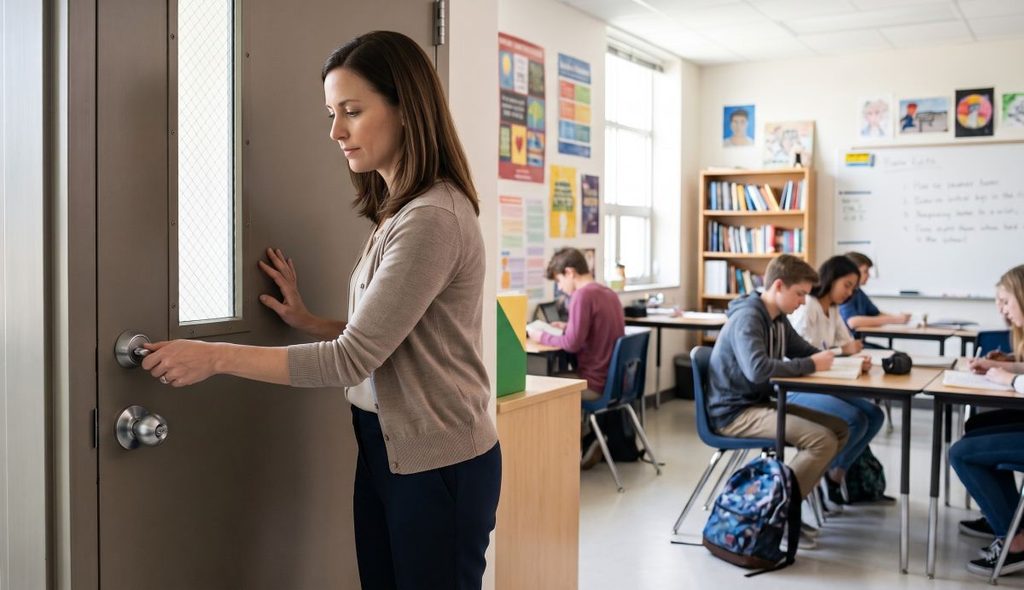
A classroom door is one of the most important physical boundaries in a school. Teachers should be able to secure it from inside the room without stepping into the hallway or managing a complicated process.
FlipLok supports this approach with a one-motion mechanical classroom locking solution that does not depend on power, Wi-Fi, or electronic connectivity. When security hardware works the same way every time, staff can respond more consistently.
This is where schools can prepare without creating fear through design rather than additional pressure on teachers.
The complete door system matters too. Schools should evaluate the lock, frame, strike area, hinges, door alignment, and nearby glazing.
A secure environment should make response easier, not make classrooms feel intimidating.
How Drills Can Be Useful Without Becoming Frightening
Drills are most useful when students understand what they are practicing and what is expected of them.
The focus should remain on procedure, not simulation intensity.
Schools can explain that drills are similar to other forms of practice. They help staff and students become familiar with routines so they do not have to figure them out during an unexpected event.
Age matters. Younger children generally need shorter explanations and clear instructions. Older students may benefit from more context, but communication should still avoid unnecessary graphic or frightening detail.
Schools should also consider how students respond after drills. Teachers can provide a brief opportunity for questions and clarify anything that created confusion.
When schools can prepare without creating fear, drills reinforce confidence rather than trying to create realistic panic.
Why Layered Security Is Better Than One Solution
No single lock, camera, alert system, or drill can provide complete school security.
Layered safety combines physical barriers, communication, preparedness, and procedures so each part supports the others.
A practical school approach may include:
- Classroom door security
- Protected entry points
- Glass protection
- Communication systems
- Staff training
Physical protection creates boundaries. Communication helps people understand what is happening. Training gives staff a clear response.
This layered approach also reduces unrealistic expectations. Teachers should not be expected to solve every problem through bravery or improvisation. The building, hardware, procedures, and administration should support them.
That is one of the most important ways schools can prepare without creating fear. The responsibility is shared across systems rather than placed entirely on individual teachers or students.
How Families Can Support Calm School Preparedness
Parents can reinforce the same safety language used at school.
Ask children what they understand before adding new information. If they mention a drill, start with simple questions such as, “What did your teacher ask you to do?” or “Was there anything you did not understand?”
This keeps the conversation centered on their actual experience.
Families can also avoid framing teachers as heroes who must personally confront danger. A healthier message is that teachers are protectors supported by procedures, training, and security tools.
Schools and families benefit when the message is consistent: adults prepare, systems provide support, and students follow simple instructions.
FAQ
How Can Schools Prepare Without Creating Fear in Younger Students?
Schools can prepare without creating fear by using short explanations, familiar routines, and clear first steps. Younger students generally need to know who to listen to and what to do, rather than detailed explanations of possible threats.
Should Schools Discuss Every Emergency Scenario With Students?
No. Staff need comprehensive planning, but students do not need every operational detail. Information should be age appropriate and focused on the actions students are expected to take.
Can Physical Security Help Reduce Anxiety?
Yes. Reliable physical security can reduce uncertainty for teachers and staff. When classroom doors and locking systems are simple and dependable, adults can concentrate more fully on students and established procedures.
How Should Schools Talk About Drills?
Explain drills as practice. Use calm, matter-of-fact language and emphasize that practicing helps everyone understand what to do. Avoid unnecessary dramatic details or simulations designed primarily to frighten participants.
What Is the Most Important Part of Calm School Preparedness?
Consistency. Clear communication, dependable security tools, familiar routines, and staff training should reinforce the same plan. A system people already understand is easier to use under pressure.
How Schools Can Prepare Without Creating Fear
Schools can prepare without creating fear when safety planning focuses on confidence instead of anxiety. Calm communication, age-appropriate routines, dependable classroom security, and layered planning help teachers and students understand what to do without making fear part of the school day.
FlipLok believes classroom protection should be simple, reliable, and easy for teachers to use. Contact us to learn more about our school safety solution and how practical physical security can support calmer, more confident preparedness.