Identifying safe rooms in your home begins with understanding which spaces can offer appropriate protection during different emergencies. A familiar bedroom, interior room, or hallway may provide a useful place to regroup, but the safest location depends on the situation and how quickly family members can reach it.
Every emergency does not demand you to stay indoors. Storms that produce strong winds may require you to seek shelter from Windows. Fires typically demand you leave immediately. When you have a Home invasion threat and are unable to safely leave your Home, a Room that has a solid door, and a method to contact law enforcement may provide temporary protection.
You don’t have to transform your residence into a fortress to adequately prepare your family. Solid Doors, clear paths of travel, basic communication Plans, and common practices to keep your Home safe, can make preparing much more reasonable.
Your goal is reasonable protection without excessive fear. Knowing how your Home is arranged and preparing now, allows you to know the safest places to go in case of an emergency while still making sure your family remains comfortable, usable, and prepared to respond.
How Do You Identify the Safest Room in Your Home?
The safest room depends on the type of emergency. Identifying safe rooms in your home should therefore begin with understanding the hazards your household may face, rather than selecting one room for every possible situation.
During a tornado, a certified storm safe room offers the strongest designated protection. Without one, official guidance generally recommends a basement or small interior room on the lowest level of a sturdy building, away from windows and exterior walls.
However, flood emergencies may require moving to higher ground, and fires generally require evacuation rather than remaining in a locked room.
Start by considering:
- Local emergency risks
- Accessible interior rooms
- Nearby exterior windows
- Household mobility needs
- Clear evacuation routes
The Ready.gov tornado safety guidance explains why interior, lower-level shelter locations are important during tornado warnings.
Choose locations based on the actual hazard and follow local emergency instructions.
What Features Should You Look for in a Safe Space?
A practical shelter location should be easy to reach and simple for household members to use. Room location, accessibility, communication, and dependable doors all matter.
When identifying safe rooms in your home, consider how the space functions during ordinary daily life.
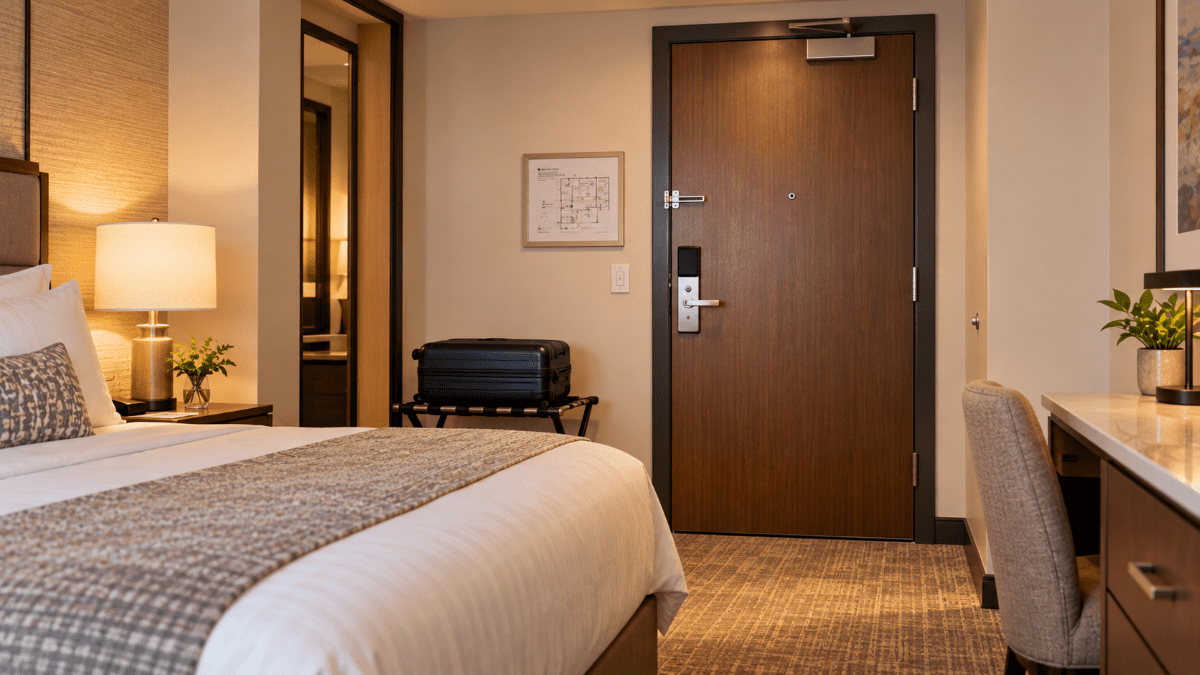
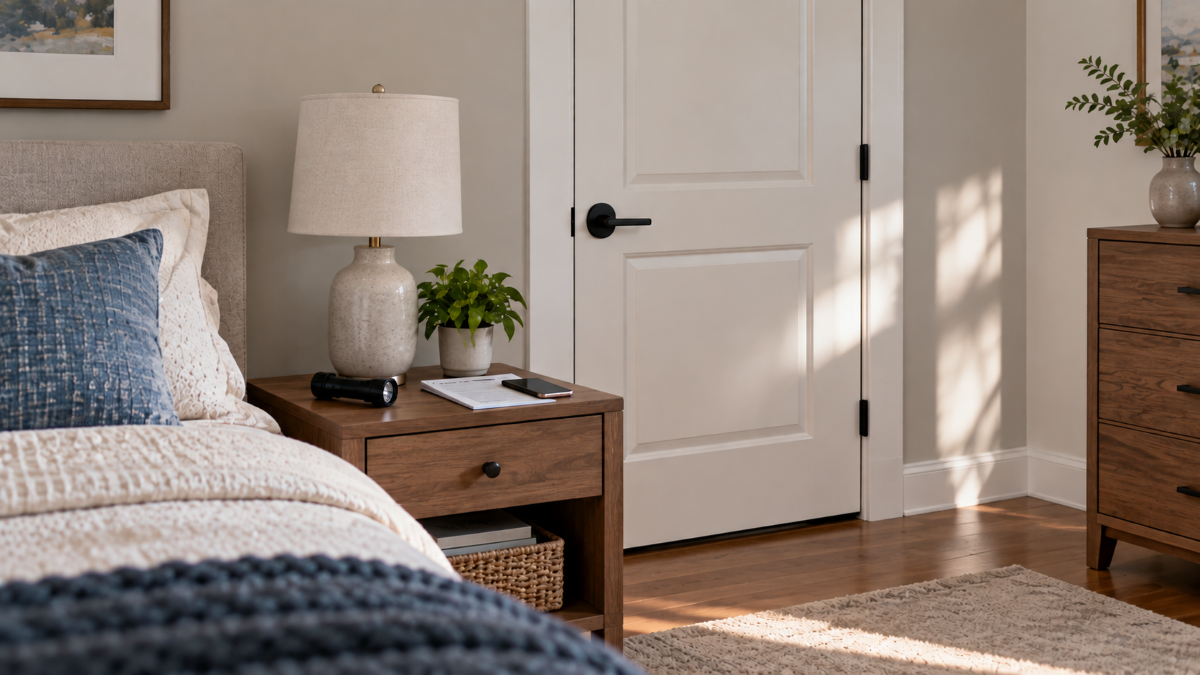
A bedroom, interior office, or other enclosed room may provide a place to regroup during a security threat. Check whether everyone can reach it, whether the door closes properly, and whether a phone can be used inside.
Avoid rooms that require navigating cluttered hallways or difficult staircases, particularly if children, older adults, or family members with mobility limitations live in the home.
A room used for temporary security protection is not automatically a certified storm safe room. FEMA defines a storm safe room as a specifically engineered structure designed to meet stringent extreme-wind protection criteria.
For related guidance, explore creating safe spaces at home without panic.
Why Do Doors, Locks, and Windows Matter?
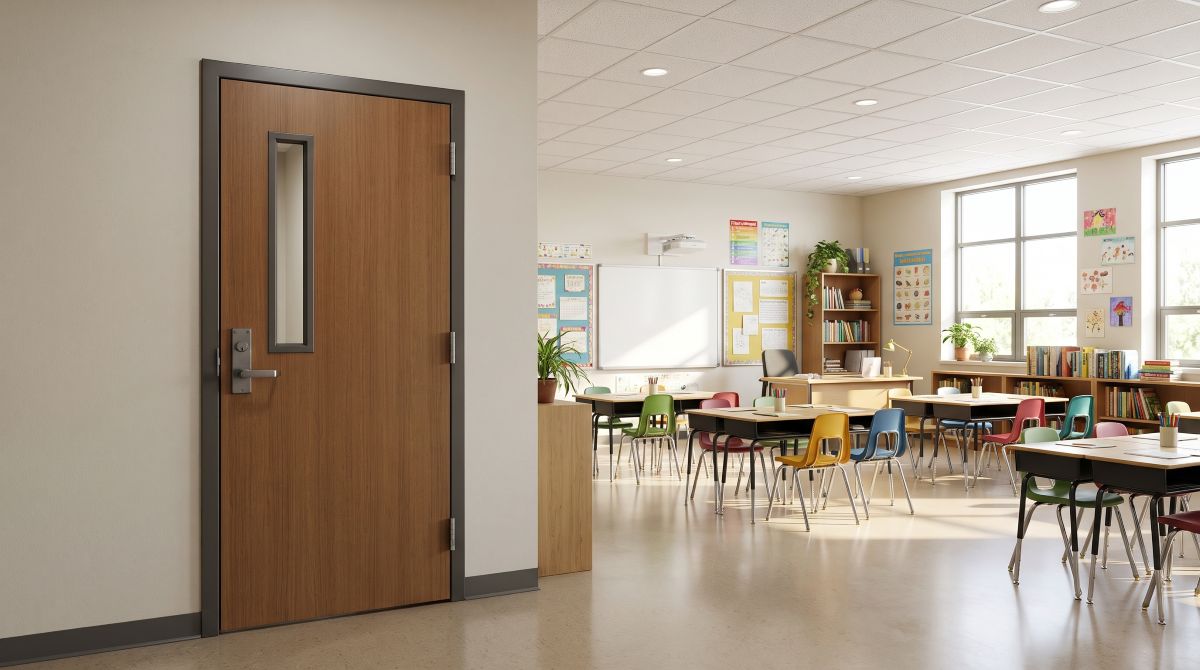
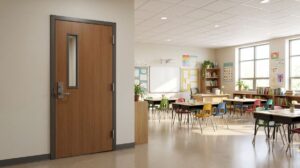
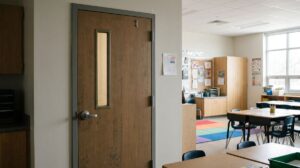
Doors and locking hardware can strengthen a room’s usefulness during a home security emergency. A door that closes correctly, latches securely, and can be operated easily provides a more dependable boundary than one with damaged hardware.
Effective identifying safe rooms in your home planning should examine the complete door system rather than only the lock.
Check for:
- Secure door frames
- Working locking hardware
- Proper latch alignment
- Stable hinges
- Accessible exit mechanisms
Nearby windows deserve attention because they may create another access point or expose the room to outside hazards. Keeping windows functional, secured when appropriate, and free of unnecessary obstructions supports layered home security.
Our article on safety planning for ground-level windows explains additional steps for accessible glazing.
Importantly, additional locks must not prevent emergency escape. Residential security improvements should preserve applicable fire safety requirements and be compatible with the intended door and occupants.
What Supplies and Communication Tools Should Be Available?
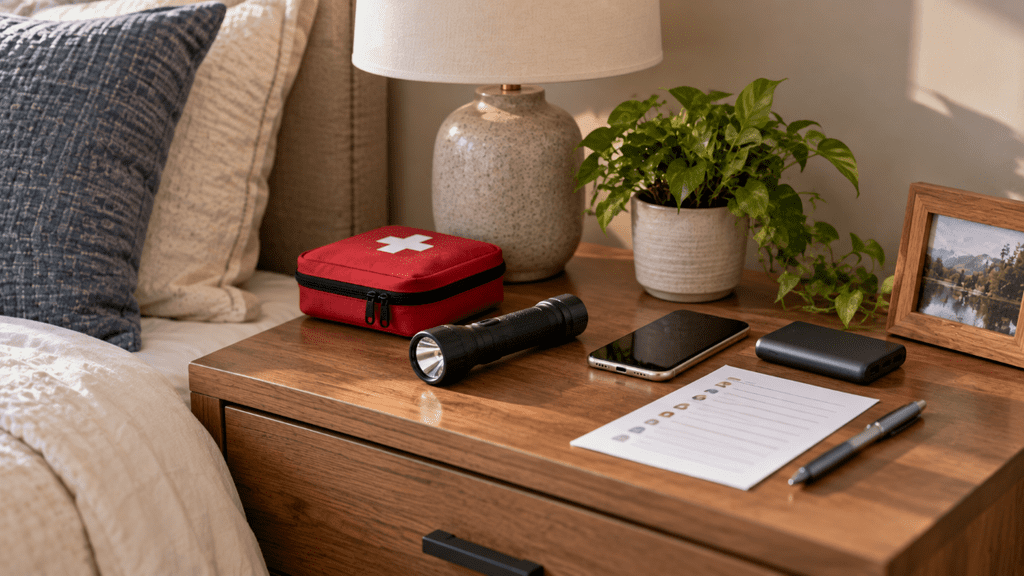
The most useful preparedness supplies are the ones household members can find and operate without confusion.
When identifying safe rooms in your home, consider how family members would communicate, receive emergency instructions, and manage a short period of temporary shelter.
Practical items may include:
- Charged mobile phone
- Backup power bank
- Working flashlight
- Emergency contact list
- Basic first aid supplies
An emergency radio can also help families receive official information during power or connectivity disruptions.
Keep essential information accessible, but avoid creating a cluttered storage area that makes the room difficult to use.
A written household plan should explain whom to contact, where to meet after evacuation, and how to assist anyone requiring additional support.
The Ready.gov emergency preparedness guide provides helpful information about family communication planning and choosing appropriate protective actions.
How Can Families Practice Safe Room Plans Without Fear?
Preparation works best when everyone understands the plan without feeling anxious about it.
Identifying safe rooms in your home should be followed by short, calm conversations about when to shelter, when to evacuate, and which adults will help children follow instructions.
Walk through the home together and explain the purpose of each designated location. Keep the discussion practical rather than focusing on frightening scenarios.
Useful family habits include:
- Review meeting locations
- Practice clear communication
- Keep exits unobstructed
- Check door operation
- Update emergency contacts
For home fires, the U.S. Fire Administration recommends planning two ways out of every room where possible and practicing evacuation with the household.
Children should understand that adults are responsible for planning and protection. Calm, consistent routines make preparedness easier to remember while allowing daily life to remain normal.
FAQ
What Is the Best Room to Use as a Safe Space at Home?
There is no single best room for every emergency. For tornadoes, an approved storm shelter or interior, lowest-level location may be appropriate. For a security threat, an accessible room with a dependable door and communication access may be useful when escape is unsafe. Always choose based on the hazard.
Can a Bedroom Be Used as a Safe Room?
A bedroom may serve as a temporary place of refuge during certain security emergencies, particularly when it has functional door hardware and communication access. However, a typical bedroom is not automatically a certified storm safe room. Its suitability depends on the situation, building construction, and available evacuation routes.
Does a Safe Room Need a Special Lock?
Not every household shelter location requires additional locking hardware. For a room intended to provide temporary protection against unauthorized entry, dependable interior door security may be helpful. Any installation should preserve emergency egress and comply with applicable requirements. A lock cannot make a room safe from every hazard.
Should Families Stay in a Safe Room During a Fire?
Generally, no. A home fire usually requires immediate evacuation using a safe exit route. If smoke or flames prevent escape, close the door between yourself and the fire, contact emergency services, and signal your location to responders. Never allow added security hardware to trap occupants inside.
How Often Should Families Review Safe Room Plans?
Review the plan when household needs or the home layout changes, and periodically confirm that everyone remembers the appropriate shelter and evacuation locations. Check door operation, communication devices, and essential supplies. Short, calm reviews are usually easier to maintain than complicated drills.
Identifying Safe Rooms in Your Home: Building Confidence Through Preparation
Identifying safe rooms in your home means choosing appropriate shelter locations, maintaining dependable doors, preserving emergency exits, and creating clear household procedures. The right approach considers different emergencies rather than assuming one room can provide complete protection.
FlipLok supports residential security with simple mechanical door locking solutions that can strengthen selected entry points as part of layered home protection.
Contact FlipLok to learn more about our residential solution and how reliable door security can support a safer, more prepared home.