
Classroom Locking Systems: From Classroom to Safe Room
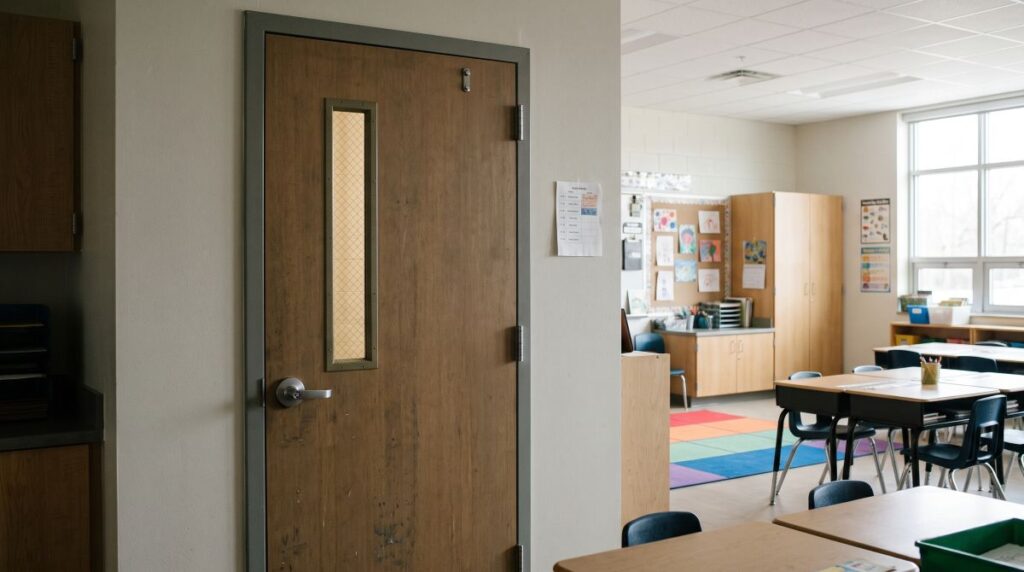
Classroom locking systems play an essential role in turning ordinary classrooms into more secure spaces during emergencies. These systems help teachers secure doors quickly from inside the room, create stronger physical boundaries, and provide additional time for students and staff to follow safety procedures. Effective classroom security is not about installing complicated equipment or making […]
Talking to Kids About “What If” Scenarios
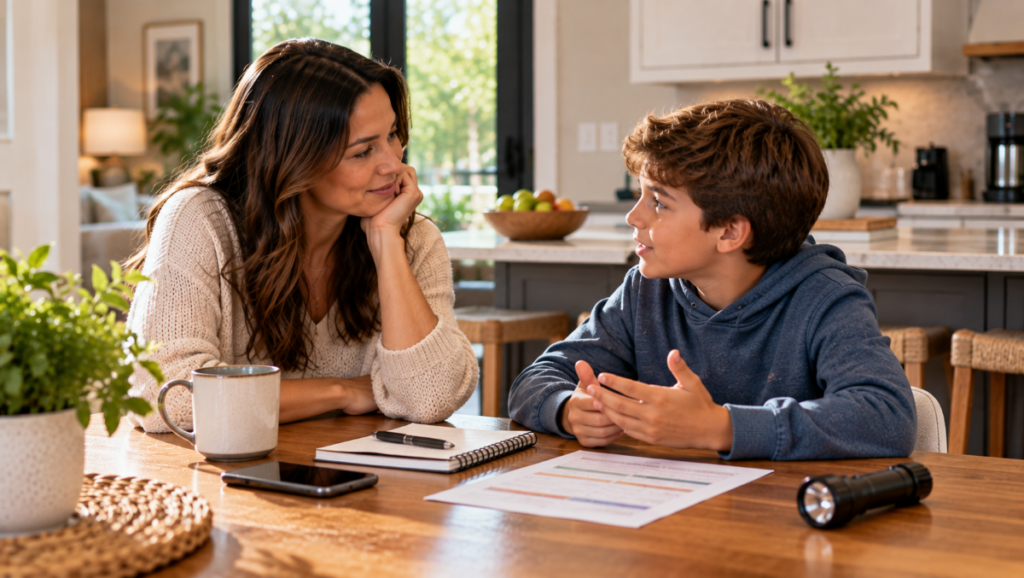
Talking to kids about what if scenarios can help children feel prepared without making them responsible for predicting or managing emergencies. The key is to keep conversations short, practical, and focused on what children can actually do, such as staying with trusted adults, following instructions, and asking for help. Children naturally ask questions about situations […]
How Parents Can Model Calm Safety Behavior
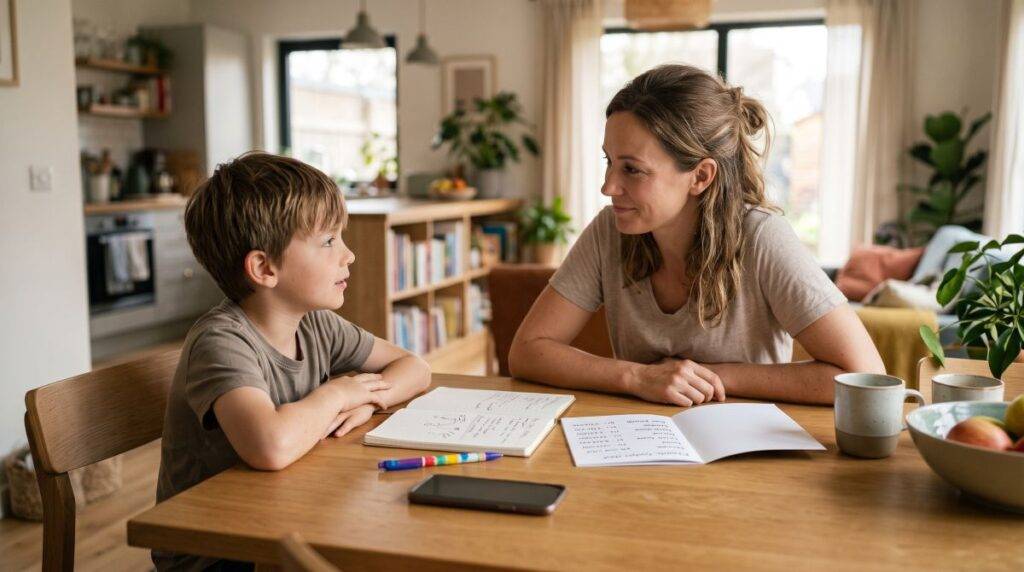
Children often learn how to react by watching the adults around them. Parents can model calm safety behavior by treating preparedness as a normal part of everyday life rather than something connected to fear, panic, or constant danger. Protecting children is about providing them with the knowledge and skills they need to respond confidently if […]
Why Calm Preparation Is More Effective Than Drills Alone
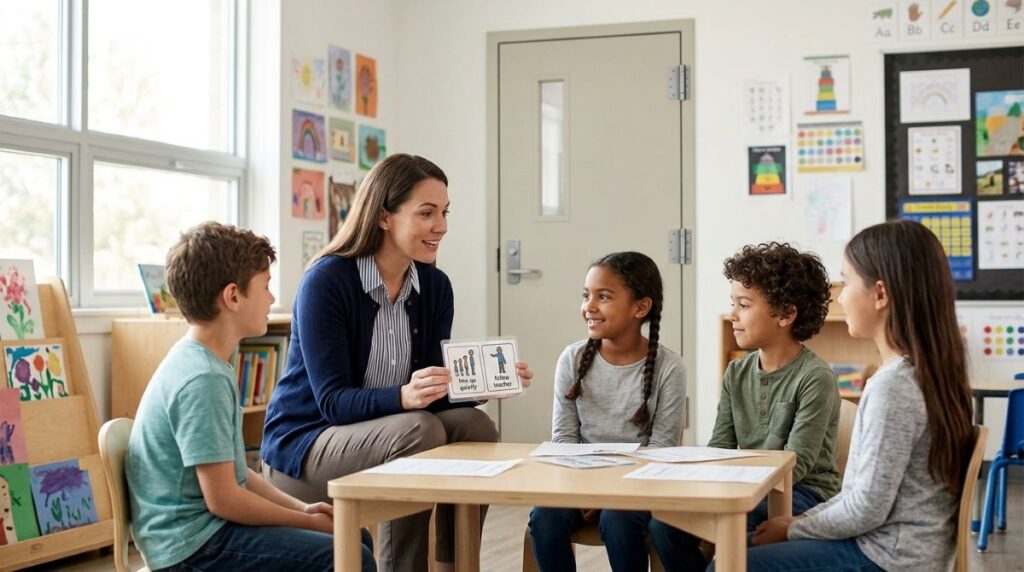
Calm preparation gives schools something drills alone cannot provide: confidence built through everyday routines, reliable systems, and clear expectations. Drills can help students and staff practice what to do, but a drill is only one part of a complete school safety strategy. Effective preparedness begins long before a scheduled exercise. Teachers need classroom security they […]
How Schools Can Prepare Without Creating Fear
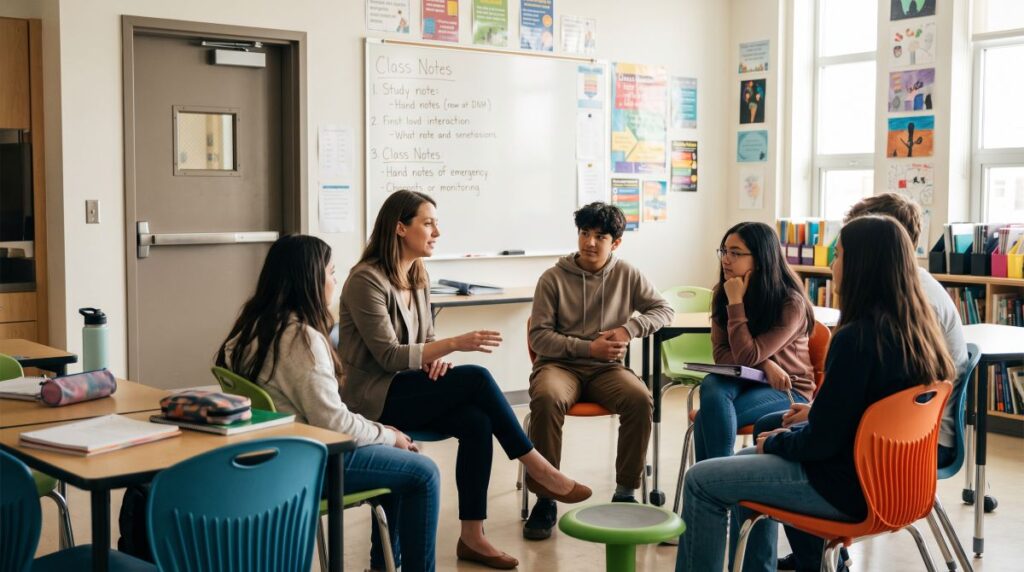
Schools need emergency plans, but preparedness should not make students feel like danger is always around the corner. Schools can prepare without creating fear by focusing on calm routines, clear expectations, dependable physical security, and age-appropriate communication. The strongest safety culture is one students can understand without carrying unnecessary anxiety into the school day. Teachers […]
Creating Safe Spaces at Home Without Panic
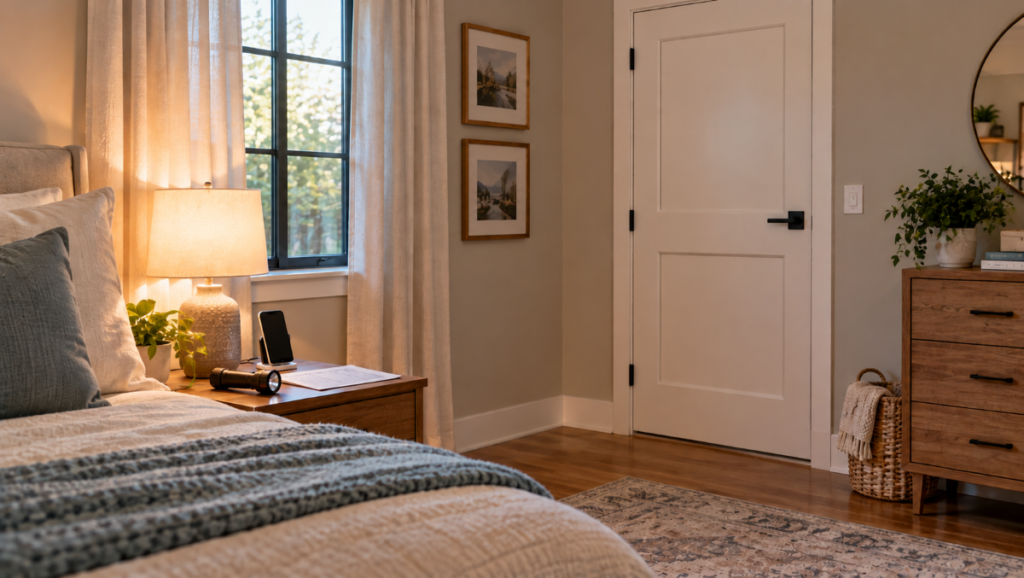
Creating safe spaces at home without panic starts with one simple idea: preparation should make your household feel more confident, not more anxious. A safe space does not need to be a dramatic room filled with specialized equipment. For most families, it can be a familiar area supported by a secure door, clear communication, simple […]
How to Talk to Kids About Safety Calmly
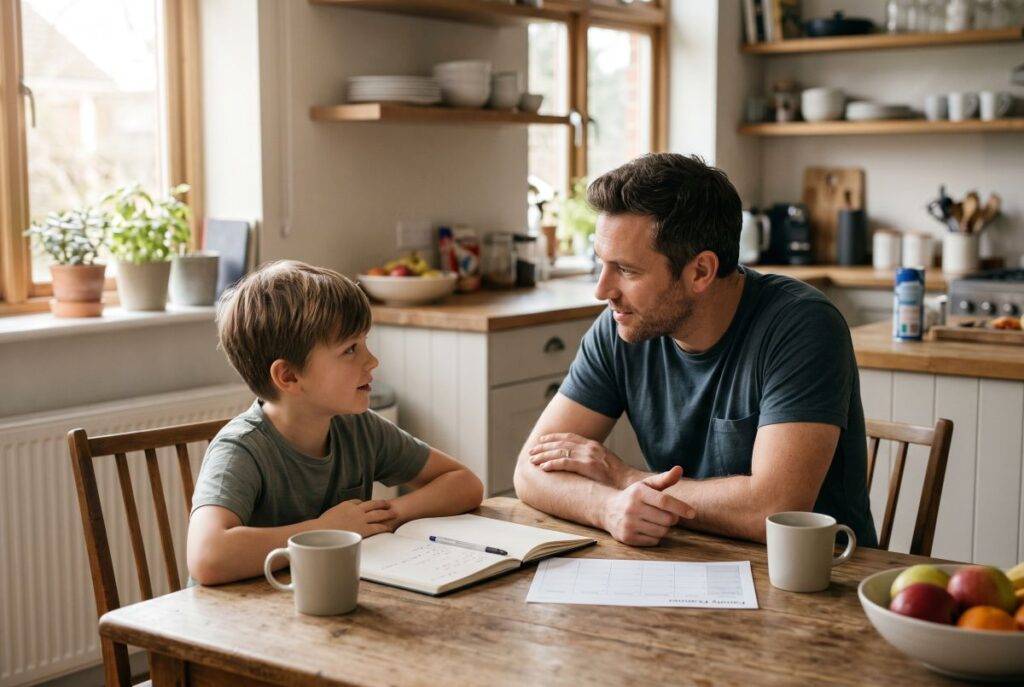
Learning how to talk to kids about safety calmly starts with keeping the conversation simple, reassuring, and focused on what children can do. Kids do not need every detail about possible emergencies. They need clear first steps, trusted adults, and confidence that the people around them have plans to help keep them safe. Children often […]
Preparedness Without Fear: Changing the Narrative
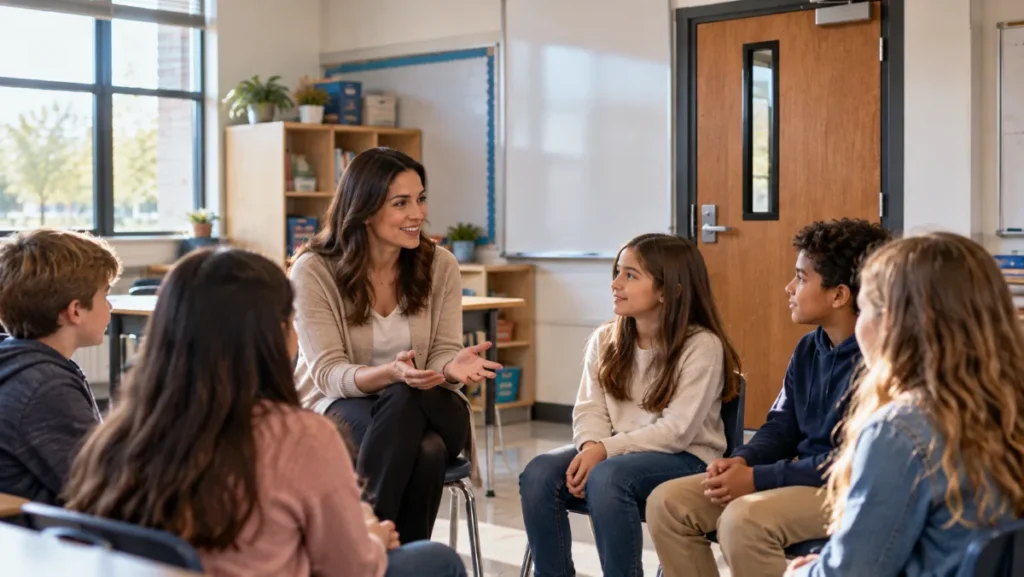
When Children (and Adults) think about potential disasters, they worry. And when disaster strikes, their minds go blank. But with some careful thinking — and planning — you can help Children develop “Preparedness without Fear” skills. There’s a big difference between preparing for a potential disaster and creating an atmosphere of Fear. Preparedness without Fear […]
What “Hardening a Classroom” Really Means
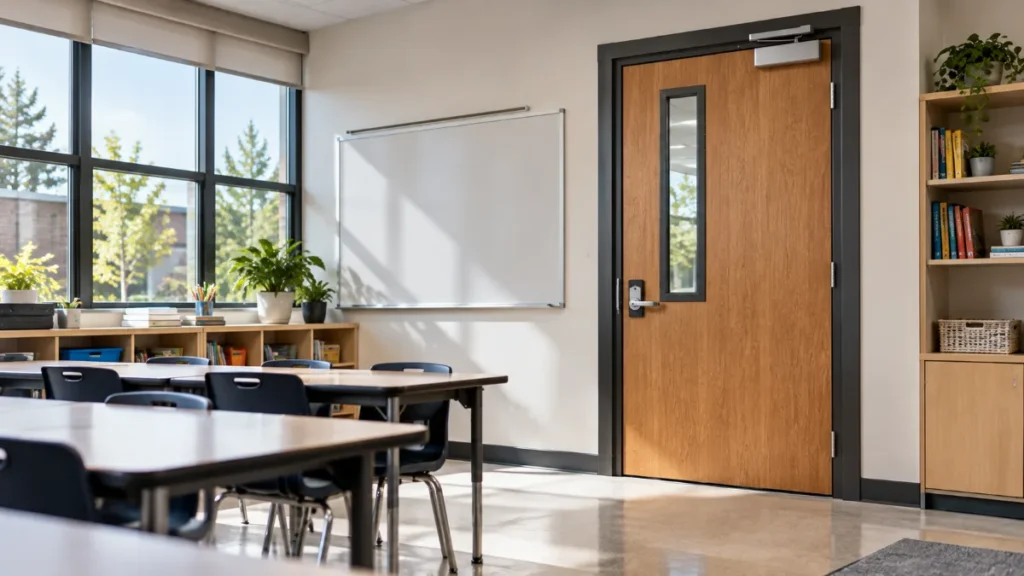
Hardening a classroom means reinforcing its physical environment. This enables teachers to rapidly secure their classroom, students to find refuge securely behind a durable barrier, and to give emergency responders additional time to respond. This is not about transforming a school into a “fortress”. This is about improving the reliability of the classroom door and […]
Safety Planning for Ground Level Windows
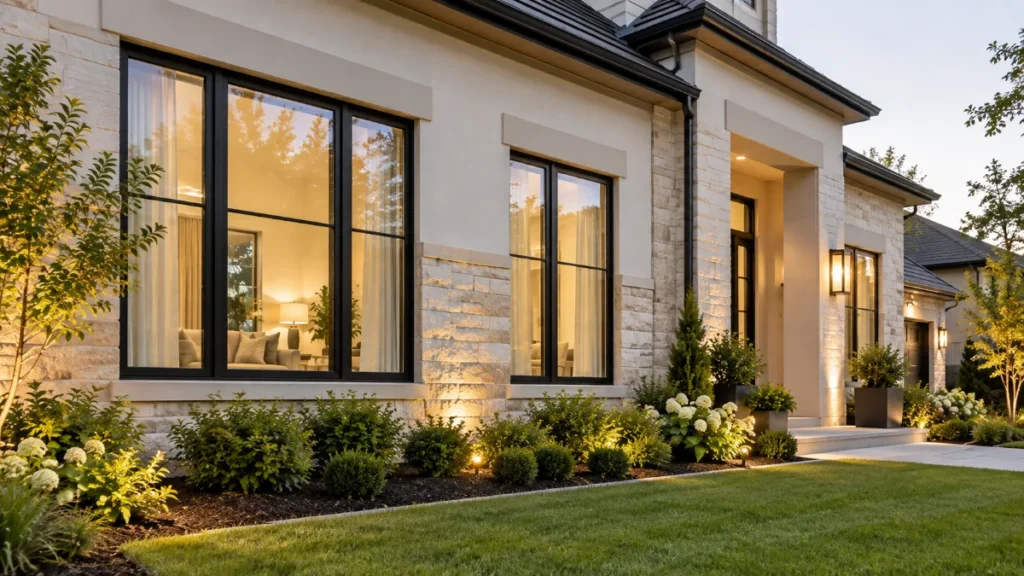
Ground-level windows deserve special attention because they are easier to approach and reach than upper-level windows. Safety planning for ground level windows should focus on reducing easy access, improving visibility, and building simple household routines that make protection easier to maintain. The goal is not to make a home feel closed off or intimidating. Effective […]